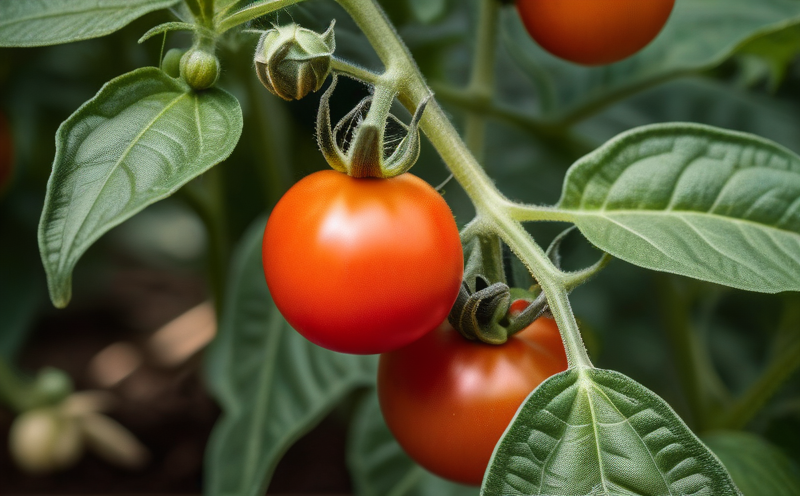
🍅 Tomato
Solanum lycopersicum
vegetables
fruit (culinary vegetable)
☀️ Sun
Full sun (6, 8+ hours direct sunlight daily)
💧 Water
Medium, high; 1, 2 inches per week consistently; inconsistent watering causes blossom end rot; mulch to retain moisture
🗺️ Zones
2, 3, 4, 5, 6, 7, 8, 9, 10, 11
🧪 Soil pH
6.0, 6.8 (slightly acidic)
🪴 Soil Type
Rich, well-drained loam amended with compost; generous organic matter
🚿 Drainage
Well-drained; does NOT tolerate waterlogged soil , leads to root rot and blossom end rot
📏 Spacing
18, 36 inches apart in rows 36, 48 inches apart; indeterminate varieties need more space (24, 36 in); caged/staked
⏱️ Maturity
55-85 days (from transplant); 65-90 days from transplant, 100-120 from seed depending on variety
🍴 Edible Parts
🍽️ Fruit (berries botanically)
Key:🤝 Grows well together❌ Keep apart☀️ Sun needs💧 Water🗺️ Hardiness zone
🤝 Companions (16)
Tomatoes repel asparagus beetle with solanine; asparagus may deter root nematodes
Repels whiteflies, mosquitoes, spider mites, and aphids; some gardeners report improved tomato flavor when grown nearby
Tomatoes and peppers share similar growing conditions; tomatoes provide some wind protection.
Repels tomato hornworm; attracts pollinators and beneficial predatory wasps; adds trace minerals to soil
Carrots break up soil for tomato roots; tomatoes provide light shade for carrots in hot weather (allelopathy is debated , some sources say carrots stunt tomatoes, others say they help)
Catnip repels aphids and flea beetles from tomatoes; strong aromatic deterrent.
Tomatoes and celery benefit from each other's root exudates; both need consistent moisture.
Repels aphids; antifungal properties may help reduce early blight
Comfrey mines deep nutrients for tomatoes; comfrey leaves make excellent tomato mulch rich in potassium.
Repels spider mites and aphids; antifungal volatile compounds may reduce late blight and powdery mildew risk
Produces alpha-terthienyl which suppresses root-knot nematodes; repels tomato hornworm and whiteflies
Trap crop for aphids, drawing them away from tomatoes; repels whiteflies and squash bugs IMPORTANT management caveat: without active management, nasturtiums can become a SOURCE of aphids that migrate to nearby crops. Either remove aphid-infested nasturtium plants promptly, or treat the trap crop itself to eliminate the aphid colony before it spreads. Strategic placement within 4-5 feet of protected crops is key.
Tomatoes benefit from onion's pest-repelling sulfur compounds; compatible garden companions.
Parsley attracts beneficial insects including hoverflies and parasitic wasps that prey on tomato pests; may improve tomato flavor and vigor. Recommended by WVU Extension and Almanac as a tomato companion.
Summer savory repels pests from tomatoes and may improve tomato growth.
Yarrow attracts predatory wasps that control tomato hornworms; nutrient accumulator improves soil.
⚠️ Keep Apart (18)
Tomatoes are antagonistic to brassicas , both release root exudates that mutually stunt growth. Separate by at least 3, 4 feet.
Brassicas and tomatoes are both heavy feeders that compete strongly for nitrogen, potassium, and phosphorus. Nutrient competition can stunt growth of both crops in close proximity. They also share fungal disease susceptibilities. This is a competition issue, not allelopathy , keep them separated by at least 3 feet and rotate beds annually.
Brassicas and tomatoes are both heavy feeders that compete strongly for nitrogen, potassium, and phosphorus. Nutrient competition can stunt growth of both crops in close proximity. They also share fungal disease susceptibilities. This is a competition issue, not allelopathy , keep them separated by at least 3 feet and rotate beds annually.
Brassicas and tomatoes are both heavy feeders that compete strongly for nitrogen, potassium, and phosphorus. Nutrient competition can stunt growth of both crops in close proximity. They also share fungal disease susceptibilities. This is a competition issue, not allelopathy , keep them separated by at least 3 feet and rotate beds annually.
Brassicas and tomatoes are both heavy feeders that compete strongly for nitrogen, potassium, and phosphorus. Nutrient competition can stunt growth of both crops in close proximity. They also share fungal disease susceptibilities. This is a competition issue, not allelopathy , keep them separated by at least 3 feet and rotate beds annually.
Tomatoes are antagonistic to brassicas , both release root exudates that mutually stunt growth. Separate by at least 3, 4 feet.
Both attract corn earworm/tomato fruitworm (Helicoverpa zea); increases pest pressure on both crops
Mature/bolting dill may release compounds that inhibit tomato growth. Young dill is beneficial: it attracts predatory wasps and hoverflies that control tomato pests. Harvest dill before it flowers if planted near tomatoes. WVU Extension lists dill as a tomato companion with this caveat.
Allelopathic , secretes growth-inhibiting compounds that stunt tomatoes and most garden vegetables
Brassicas and tomatoes are both heavy feeders that compete strongly for nitrogen, potassium, and phosphorus. Nutrient competition can stunt growth of both crops in close proximity. They also share fungal disease susceptibilities. This is a competition issue, not allelopathy , keep them separated by at least 3 feet and rotate beds annually.
Brassicas and tomatoes are both heavy feeders that compete strongly for nitrogen, potassium, and phosphorus. Nutrient competition can stunt growth of both crops in close proximity. They also share fungal disease susceptibilities. This is a competition issue, not allelopathy , keep them separated by at least 3 feet and rotate beds annually.
Tomatoes are antagonistic to brassicas , both release root exudates that mutually stunt growth. Separate by at least 3, 4 feet.
Both are Solanaceae; share susceptibility to early blight (Alternaria solani) and late blight (Phytophthora infestans); potatoes can stunt tomato growth
Tomatoes are antagonistic to brassicas , both release root exudates that mutually stunt growth. Separate by at least 3, 4 feet.
Tomatoes and sweet potato compete for similar nutrients and share pest susceptibility.
Tomatoes are antagonistic to brassicas , both release root exudates that mutually stunt growth. Separate by at least 3, 4 feet.
Produces juglone, a potent allelopathic toxin that causes tomato wilt and death; effective up to 50-80 ft from tree
💊 Medicinal Uses
Medicinal Properties
- Rich in lycopene , antioxidant linked to reduced prostate cancer risk and cardiovascular health
- High in vitamin C, potassium, folate, and vitamin K
- Traditional use: topical application for sunburn and acne (anti-inflammatory)
📝 Growing Notes
Two main types: determinate (bush, all fruit ripens at once) and indeterminate (vining, produces until frost). Rotate away from Solanaceae for at least 3 years. Companion planting with basil and marigolds is among the most widely studied and validated combinations in companion planting literature.
🛒 Buy Seeds & Plants
Baker Creek Heirloom Seeds
Johnny's Selected Seeds
Botanical Interests
True Leaf Market
Burpee
Territorial Seed Company
Plot Buddies is reader-supported. When you buy through links on our site, we may earn an affiliate commission at no extra cost to you. This does not affect our plant recommendations. We only link to retailers we trust.