🥦 Mustard Greens
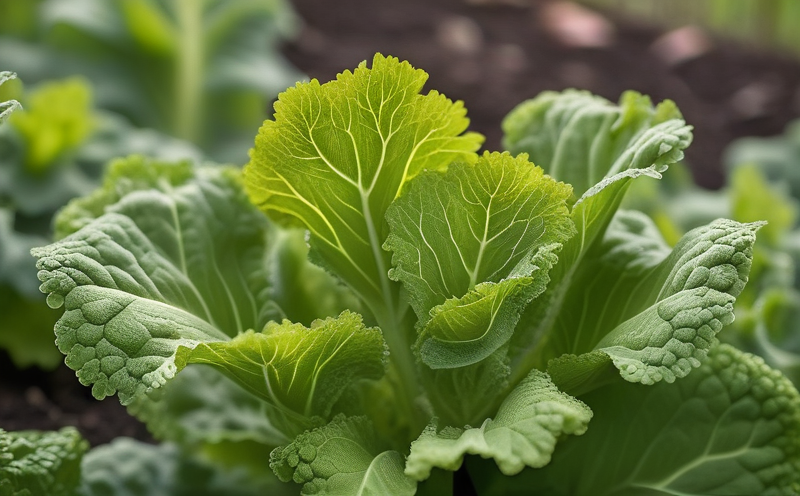
🍴 Edible Parts
🤝 Companions (13)
⚠️ Keep Apart (10)
💊 Medicinal Uses
Medicinal Properties
- Contains glucosinolates (sinigrin) , hydrolyzed to allyl isothiocyanate, the pungent compound with potent anti-cancer, antimicrobial, and anti-inflammatory properties
- Exceptionally high in vitamin K (1 cup = 600%+ daily value), vitamin A, and vitamin C
- Traditional external remedy: mustard plasters for chest congestion, muscle aches, and arthritis (counterirritant , stimulates blood flow to area)
- Contains sulforaphane , being studied for cancer prevention, especially bladder and colon cancers
- Rich in folate, calcium, and manganese; supports bone health and metabolic function
📝 Growing Notes
Mustard greens are among the fastest vegetables , baby greens ready in 21 days, full-size in 40, 60 days. Extremely cold-hardy (tolerates light frost) and bolt-resistant compared to other leafy greens. Varieties range from mild ('Mizuna', 'Tatsoi' , B. rapa) to hot/pungent ('Southern Giant Curled', 'Red Giant', 'Wasabina'). Heat intensifies pungency , spring/fall crops are milder. Flea beetles LOVE mustard greens , they can riddle leaves with holes within days; floating row covers are the best organic control. Mustard greens can also be grown as a biofumigant cover crop , their glucosinolates suppress soil-borne pathogens and nematodes when chopped and incorporated (green manure). Self-seeds prolifically if allowed to flower. Volunteer mustard plants are common in gardens that grew them previously.
🛒 Buy Seeds & Plants
Plot Buddies is reader-supported. When you buy through links on our site, we may earn an affiliate commission at no extra cost to you. This does not affect our plant recommendations. We only link to retailers we trust.