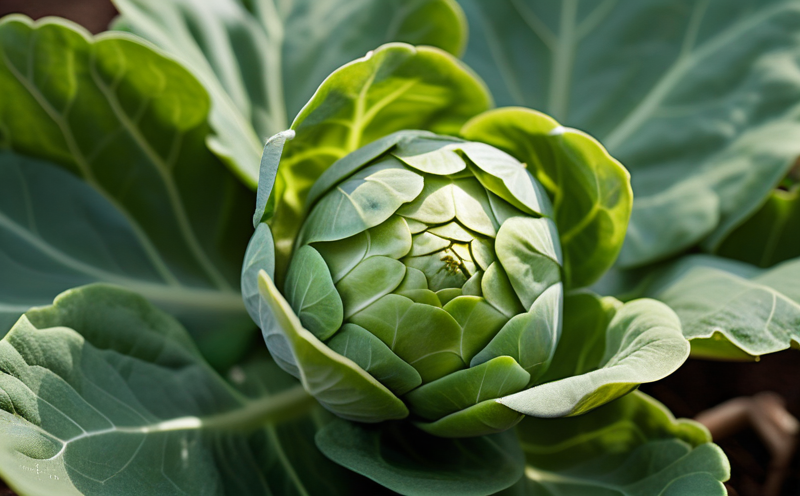
🥦 Brussels Sprouts
Brassica oleracea var. gemmifera
vegetables
brassica (cole crop)
☀️ Sun
Full sun (6, 8 hours)
💧 Water
High; 1, 1.5 inches per week; consistent moisture is critical for tight, sweet sprouts
🗺️ Zones
3, 4, 5, 6, 7, 8, 9
🧪 Soil pH
6.5, 7.5 (neutral to slightly alkaline preferred , helps prevent clubroot)
🪴 Soil Type
Rich, firm, well-drained loam; Brussels sprouts prefer FIRM soil , do not over-loosen; they are tall, top-heavy plants that need solid anchoring
🚿 Drainage
Well-drained but moisture-retentive
📏 Spacing
18, 24 inches apart; rows 30, 36 inches; some varieties grow 3+ ft tall , allow headroom
⏱️ Maturity
80-120 days (from transplant); 100-140 days from seed
🍴 Edible Parts
🍽️ Sprouts (axillary buds along stem)
🍽️ Tops/leaves (similar to collard greens)
🍽️ Stems (peeled)
Key:🤝 Grows well together❌ Keep apart☀️ Sun needs💧 Water🗺️ Hardiness zone
🤝 Companions (6)
Improves flavor; attracts beneficials
Attracts parasitic wasps for cabbage worm and aphid control
Repels aphids; antifungal may reduce disease pressure
Trap crop for aphids; repels cabbage pests IMPORTANT management caveat: without active management, nasturtiums can become a SOURCE of aphids that migrate to nearby crops. Either remove aphid-infested nasturtium plants promptly, or treat the trap crop itself to eliminate the aphid colony before it spreads. Strategic placement within 4-5 feet of protected crops is key.
Strong scent repels cabbage moths
Repels flea beetles and cabbage moths
⚠️ Keep Apart (3)
Allelopathic
Mutual inhibition
Brassica allelopathy stunts tomatoes
💊 Medicinal Uses
Medicinal Properties
- Contains sulforaphane and indole-3-carbinol (anti-cancer compounds)
- Extremely high in vitamin K (over 200% DV per serving) and vitamin C
- Good source of folate, manganese, and fiber
- Contains glucosinolates being studied for DNA protection
📝 Growing Notes
Brussels sprouts have the longest growing season of common brassicas: 90, 180 days. They require frost to develop sweetness (cold triggers sugar production in sprouts). Harvest from bottom up as sprouts mature (1-2 inches diameter, firm). Stake tall plants in windy areas. Pinching the top growing tip in late summer/early fall directs energy to sprout development. Excellent crop for overwintering in mild climates (zones 7+).
🛒 Buy Seeds & Plants
Baker Creek Heirloom Seeds
Johnny's Selected Seeds
Botanical Interests
True Leaf Market
Burpee
Territorial Seed Company
Plot Buddies is reader-supported. When you buy through links on our site, we may earn an affiliate commission at no extra cost to you. This does not affect our plant recommendations. We only link to retailers we trust.