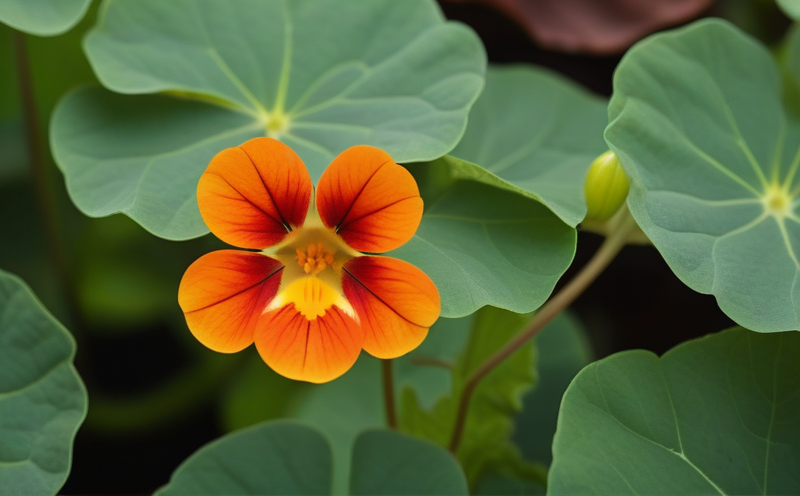
🌿 Nasturtium

Tropaeolum majus
herbs Annual flower/herb Tropaeolaceae
Nasturtium plant photo
☀️ Sun
Full sun to partial shade; more sun = more flowers.
💧 Water
Moderate; drought-tolerant. Overwatering reduces flowering.
🗺️ Zones
Annual everywhere; can perennialize in zones 9-11
🧪 Soil pH
6.0-7.5 (tolerates poor soil; overly rich soil reduces flowering)
🪴 Soil Type
POOR soil is best! Rich soil produces abundant leaves but few flowers. pH 6.0-7.5. Well-draining. Do NOT fertilize.
📏 Spacing
10-12 inches apart (bush); 12-18 inches (trailing/climbing)
📐 Height
12 inches (bush); 6-10 feet (climbing/trailing)
⏱️ Maturity
35-50 days from seed to flower

🍴 Edible Parts

🍽️ Flowers (sweet-spicy) 🍽️ Leaves (peppery , 'poor man's watercress') 🍽️ Immature seed pods (pickled as 'poor man's capers') 🍽️ Stems (young and tender)
Key:🤝 Grows well together❌ Keep apart☀️ Sun needs💧 Water🗺️ Hardiness zone

🤝 Companions (44)

Nasturtium repels codling moth and woolly aphids from apple trees; traditional orchard companion.
Nasturtium traps aphids away from arugula; edible flowers add garden diversity.
Repels bean beetles; climbing nasturtiums can share pole bean supports.
Nasturtium repels aphids, whiteflies, and squash bugs from peppers; attractive ground cover.
Nasturtium traps aphids from bok choy; deters cabbage pests with mustard-oil compounds.
Nasturtium repels cabbage loopers and aphids from broccoli; living mulch conserves moisture.
Nasturtium deters cabbage pests from Brussels sprouts; trap crop for aphids.
Nasturtium is a classic cabbage companion, repelling cabbage moths and aphids.
Nasturtium protects cauliflower from cabbage worms and aphids; living ground cover.
Nasturtium repels aphids and attracts pollinators near celery; complementary root zones.
Nasturtium deters cabbage pests from collards; edible flowers add companion value.
Nasturtium repels cucumber beetles and aphids; sprawling habit covers soil for cucumbers.
Nasturtium deters aphids and flea beetles from eggplants; colorful understory companion.
Nasturtium repels black bean aphids from fava beans; low-growing living mulch.
🤝 Fruit trees
Repels woolly aphids from apple trees; attracts pollinators.
Nasturtium repels aphids and whiteflies from peppers; attracts pollinators.
Nasturtium deters cabbage worms and aphids from kale; classic protective companion.
Nasturtium repels flea beetles and cabbage pests from kohlrabi; beneficial ground cover.
Nasturtium provides light shade for lettuce in summer; traps aphids away from lettuce.
Nasturtium deters pests from mustard greens; both have peppery edible leaves and flowers.
Nasturtium deters peach tree borers and aphids; attracts beneficial insects to orchard floor.
Nasturtium repels bean beetles from pole beans; low-growing under tall trellised beans.
Nasturtium repels Colorado potato beetles and aphids; ground cover reduces weed competition.
Nasturtium repels squash bugs and cucumber beetles from pumpkins; pollinator attractor.
Nasturtium deters flea beetles and aphids from radishes; quick-growing companion.
🤝 Radishes
Improves radish flavor and growth when planted nearby.
Nasturtium attracts pollinators to raspberry flowers; ground cover suppresses weeds.
Repels aphids from roses; classic companion.
Nasturtium repels blackfly and aphids from runner beans; classic cottage garden pairing.
Nasturtium deters cabbage pests from rutabaga; living mulch retains soil moisture.
Nasturtium provides shade for spinach in warm weather; traps aphids away from spinach.
Repels squash bugs and striped pumpkin beetles; excellent trap crop for aphids.
Nasturtium deters corn pests and acts as living mulch under corn; attracts beneficials.
Nasturtium repels aphids from chard; colorful edible companion adds visual appeal.
Nasturtium acts as a trap crop for aphids away from tarragon; ground cover retains moisture.
Nasturtium repels whiteflies and aphids from tomatoes; traps pests as a sacrificial plant.
Nasturtium deters flea beetles and aphids from turnips; easy-care living mulch.
Nasturtium repels squash pests and attracts pollinators essential for squash fruit set.
Nasturtium deters pests from zucchini and attracts bees for better pollination.

⚠️ Keep Apart (1)

Fennel's allelopathy inhibits nasturtium growth.

💊 Medicinal Uses

Conditions Treated

💊 Respiratory infections (bronchitis, coughs, chest congestion , natural antibiotic) 💊 Urinary tract infections (antimicrobial in urinary tract) 💊 Minor wounds and skin infections (antibacterial , topical) 💊 Scurvy (very high in vitamin C) 💊 Colds and flu (antimicrobial, vitamin C) 💊 Hair loss (traditional scalp tonic , stimulates circulation) 💊 Intestinal parasites (vermifuge , traditional use)

Preparation Methods

  • Nasturtium tea: 1-2 tsp fresh leaves/flowers steeped 10 min; for respiratory infections and UTIs (spicy, warming)
  • Tincture: 1:5 in 40% alcohol; 2-4ml 3x daily for respiratory/urinary infections
  • Nasturtium vinegar: Leaves and flowers infused in apple cider vinegar; 1 tbsp in water as antimicrobial tonic
  • Infused oil: Flowers infused in carrier oil for scalp massage (hair loss) and skin infections
  • Culinary medicine: Fresh leaves and flowers in salads , 'nature's antibiotic' eaten regularly
  • Poultice: Crushed leaves applied to minor wounds and skin infections
  • Hair rinse: Strong infusion used as final hair rinse to stimulate scalp circulation

Active Compounds

⚗️ Glucotropaeolin (mustard oil glycoside , converts to benzyl isothiocyanate, a potent antimicrobial) ⚗️ Vitamin C (very high) ⚗️ Flavonoids ⚗️ Carotenoids ⚗️ Oxalic acid

⚠️ Safety

Generally safe. Contains oxalic acid , those with kidney stones or oxalate sensitivity should avoid large quantities. Spicy/pungent , may irritate sensitive stomachs in large amounts. Avoid medicinal doses during pregnancy (mustard oil compounds). Do not use pure essential oil internally.

📜 History & Folklore

🏛️ Ancient

Used by the Incas and other Andean peoples as a medicinal herb and food. Spanish conquistadors brought nasturtium to Europe in the 1500s.

🏰 Medieval

Introduced to Europe from Peru in the 16th century. Quickly adopted in monastery and cottage gardens. Used for 'scurvy and infections of the mouth and throat.' The name 'nasturtium' means 'nose-twister' for its pungent quality.

🌿 Folk Medicine

European herbalists adopted nasturtium as 'Indian cress' , used like watercress for respiratory and urinary infections. Used as a 'blood purifier' in spring tonics. Pickled seed pods were a caper substitute and winter vitamin C source.

🛒 Buy Seeds & Plants

Plot Buddies is reader-supported. When you buy through links on our site, we may earn an affiliate commission at no extra cost to you. This does not affect our plant recommendations. We only link to retailers we trust.