🌿 Parsley
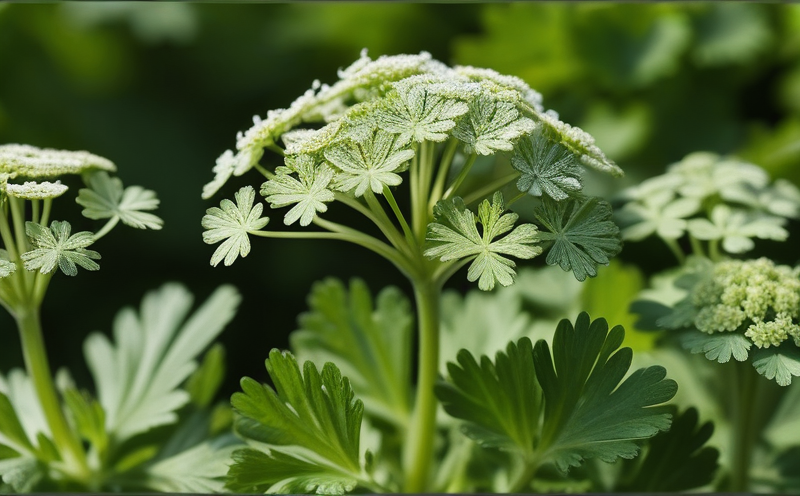
🍴 Edible Parts
🤝 Companions (7)
⚠️ Keep Apart (6)
💊 Medicinal Uses
Conditions Treated
Preparation Methods
- Parsley tea: 2 tsp fresh/dried leaves steeped 10 min; 2-3 cups daily for UTI and water retention
- Fresh juice: Small amounts of parsley juice for kidney cleansing (use cautiously)
- Tincture: 1:5 in 40% alcohol; 2-4ml 3x daily as diuretic
- Poultice: Crushed fresh leaves applied to insect bites and bruises
- Culinary: Regular dietary inclusion; chew fresh leaves for bad breath
- Infused oil: Parsley seed oil (very potent , professional use only)
Active Compounds
⚠️ Safety
DO NOT use medicinal doses during pregnancy (apiol is a uterine stimulant and can cause miscarriage). Avoid large medicinal doses while breastfeeding. Parsley seed oil is TOXIC , contains high apiol/myristicin; never ingest. High doses of parsley tea may cause kidney irritation in susceptible people. Photosensitizing , may increase sun sensitivity.
📜 History & Folklore
🏛️ Ancient
Greeks associated parsley with death; used on tombs ('de's need of parsley' meant someone near death). Romans wore parsley at feasts to prevent intoxication and aid digestion. Not eaten, only used ceremonially and medicinally.
🏰 Medieval
Associated with death and the underworld in European folklore , 'parsley goes to the devil and back seven times' explaining slow germination. Used in medieval medicine for 'gravel' (kidney stones) and dropsy (edema).
🌿 Folk Medicine
Traditional European remedy for 'spring tonics' , parsley as a blood purifier after winter. Used to 'bring on delayed menses.' Parsley tea for water retention. The root (Hamburg parsley) was cooked as a medicinal vegetable for urinary complaints.
🛒 Buy Seeds & Plants
Plot Buddies is reader-supported. When you buy through links on our site, we may earn an affiliate commission at no extra cost to you. This does not affect our plant recommendations. We only link to retailers we trust.