🌿 Chives
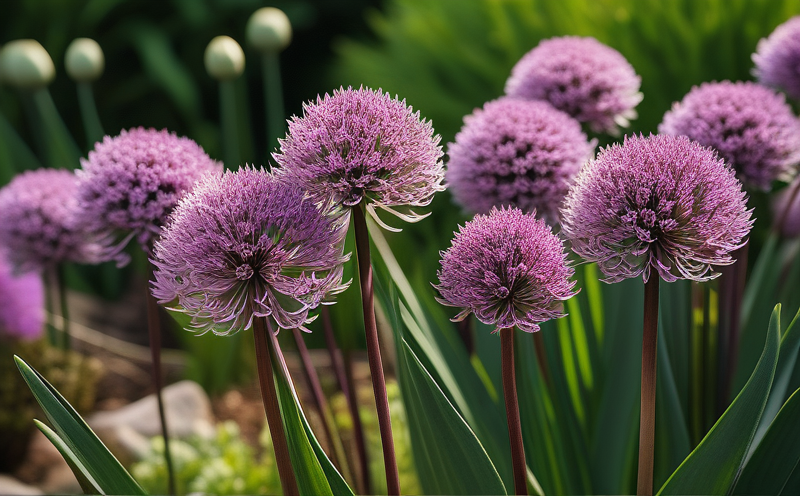
🍴 Edible Parts
🤝 Companions (12)
⚠️ Keep Apart (2)
💊 Medicinal Uses
Conditions Treated
Preparation Methods
- Culinary medicine: Regular dietary inclusion , the best way to use chives medicinally
- Chive vinegar: Chive flowers infused in vinegar as a digestive tonic
- Infused oil: Chive in olive oil (use fresh; refrigerate , botulism risk with garlic/oil preparations)
- Poultice: Crushed leaves applied to minor wounds (mild antimicrobial)
- Tea: Not commonly used as tea , mostly culinary medicine
Active Compounds
⚠️ Safety
Generally very safe. Large amounts may cause digestive upset. Dogs and cats are sensitive to alliums , chives are toxic to pets (can cause hemolytic anemia). Oil infusions must be refrigerated and used within days (botulism risk).
📜 History & Folklore
🏛️ Ancient
Used in ancient China (from 3000 BCE). Romans believed chives could relieve sunburn pain and sore throat. Marco Polo reported chives in Asia.
🏰 Medieval
Used in monastery gardens. Hung in bunches to ward off evil spirits and disease. Gypsies used chives in fortune-telling. Chive flowers were used in posies and nosegays.
🌿 Folk Medicine
European folk medicine used chives similarly to onions but in milder preparations. Given to people with 'delicate constitutions' who found onions too strong. Flowers floated in soups as both garnish and mild medicine.
🛒 Buy Seeds & Plants
Plot Buddies is reader-supported. When you buy through links on our site, we may earn an affiliate commission at no extra cost to you. This does not affect our plant recommendations. We only link to retailers we trust.