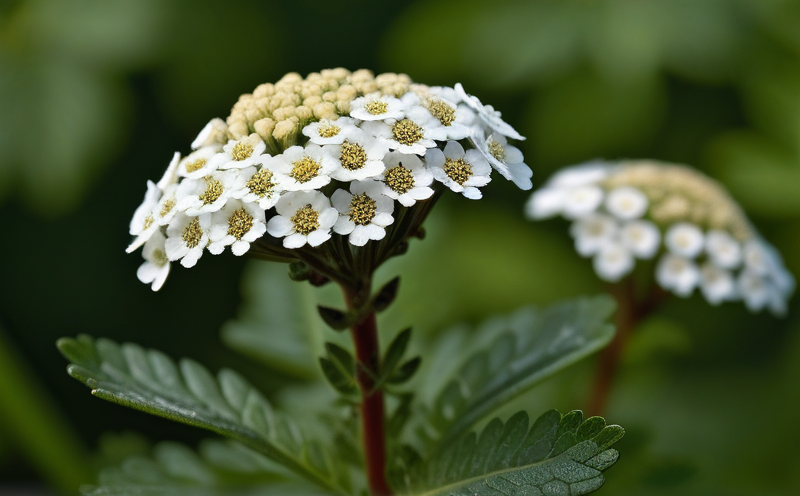
🌿 Yarrow
Achillea millefolium
herbs
perennial herb
Asteraceae
☀️ Sun
full sun
💧 Water
low (drought-tolerant, dislikes wet feet)
🗺️ Zones
3, 9
🧪 Soil pH
5.5, 7.5
🪴 Soil Type
sandy, loamy, well-drained; tolerates poor soil
🚿 Drainage
well-drained to dry
📏 Spacing
12, 24 inches
📐 Height
18, 36 inches
⏱️ Maturity
120 days (perennial, flowers second year from seed)
Key:🤝 Grows well together❌ Keep apart☀️ Sun needs💧 Water🗺️ Hardiness zone
🤝 Companions (17)
Yarrow's deep roots mine potassium and phosphorus beneficial for apple fruiting; attracts pollinators during apple bloom.
Yarrow increases basil essential oil concentration; both attract beneficial insects
Yarrow attracts parasitic wasps that control cabbage worms; its strong scent masks brassicas from cabbage moths.
Synergistic medicinal herb pairing; yarrow boosts chamomile's essential oil while both attract complementary beneficial insects.
Yarrow attracts hoverflies whose larvae eat cucumber beetles and aphids; improves cucumber vigor.
Both are native North American medicinal perennials with matching sun/soil requirements; attract diverse pollinators together.
Both are Mediterranean-climate perennials with identical soil/sun needs; their combined aromatic oils create a powerful pest-repellent zone.
Increases oregano oil content; similar Mediterranean growing conditions
Yarrow attracts beneficial insects for peach pest control; drought-tolerant orchard companion.
Yarrow attracts predatory insects that control raspberry pests; nutrient accumulator.
Yarrow enhances rose essential oil production and vigor; attracts aphid predators that protect rose buds.
Yarrow attracts predatory wasps and hoverflies that control tomato hornworms and aphids; accumulates phosphorus that tomatoes need for fruit set.
⚠️ Keep Apart (3)
Both attract the same predatory wasps creating competition for beneficial insect services; may cross-attract carrot flies.
Both are strong aromatic herbs that can cross-inhibit each other's essential oil development when grown too close; competing volatile compounds.
Fennel is allelopathic to most plants including yarrow; inhibits germination and growth of yarrow.
📝 Growing Notes
Outstanding companion plant , accumulates copper, potassium, and phosphorus from subsoil, making them available to neighbors. Attracts predatory wasps, hoverflies, lacewings, and ladybugs. Essential oil content highest when harvested in full bloom, midday. Spreading rhizomatous habit; can be aggressive in rich soil. Many ornamental cultivars with white, pink, red, yellow flowers.
🛒 Buy Seeds & Plants
Baker Creek Heirloom Seeds
Johnny's Selected Seeds
Botanical Interests
True Leaf Market
Burpee
Territorial Seed Company
Plot Buddies is reader-supported. When you buy through links on our site, we may earn an affiliate commission at no extra cost to you. This does not affect our plant recommendations. We only link to retailers we trust.