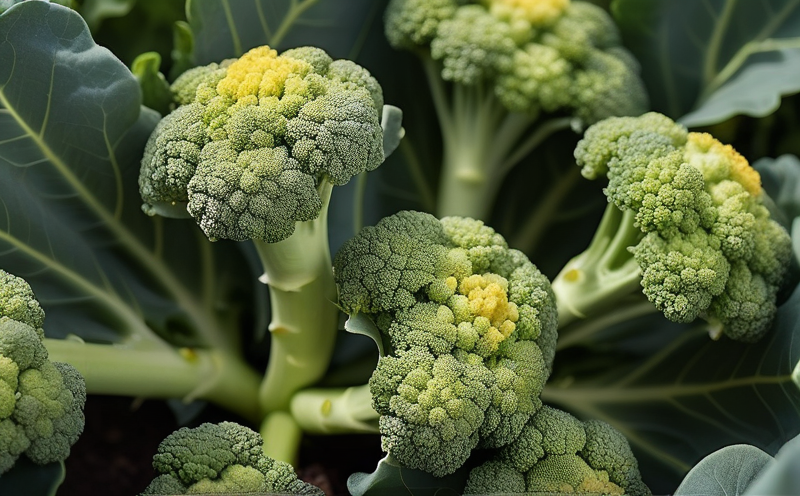
🥦 Broccoli
Brassica oleracea var. italica
vegetables
brassica (cole crop)
☀️ Sun
Full sun (6, 8 hours); tolerates partial shade
💧 Water
High; 1, 1.5 inches per week; consistent moisture critical for tight, tender heads; mulch to retain soil moisture
🗺️ Zones
2, 3, 4, 5, 6, 7, 8, 9, 10
🧪 Soil pH
6.0, 7.0 (slightly acidic to neutral); slightly alkaline soils reduce clubroot risk
🪴 Soil Type
Rich, well-drained loam with very high organic matter; brassicas are very heavy feeders , incorporate compost and aged manure before planting
🚿 Drainage
Well-drained but moisture-retentive; raised beds recommended in clay; consistent moisture prevents stress
📏 Spacing
18, 24 inches apart; rows 30, 36 inches apart; wider spacing for larger heads
⏱️ Maturity
55-85 days (from transplant); 70-100 days from seed
🍴 Edible Parts
🍽️ Flower heads (and tender stems)
🍽️ Leaves (broccoli leaves are edible , cook like kale or collards)
🍽️ Stalks (peeled, sliced , excellent for stir-fries and slaws)
Key:🤝 Grows well together❌ Keep apart☀️ Sun needs💧 Water🗺️ Hardiness zone
🤝 Companions (8)
Beets add minerals to soil that broccoli needs; different root depths; minimal competition
Celery's strong scent repels cabbage white butterfly; broccoli provides some shade
Improves broccoli flavor; attracts beneficial insects; antifungal
Chervil improves broccoli's growth and flavor; repels slugs and aphids from brassicas.
Attracts parasitic wasps and hoverflies that prey on cabbage worms and aphids; improves broccoli growth and flavor
Trap crop for aphids , draws them away from broccoli; repels cabbage worms IMPORTANT management caveat: without active management, nasturtiums can become a SOURCE of aphids that migrate to nearby crops. Either remove aphid-infested nasturtium plants promptly, or treat the trap crop itself to eliminate the aphid colony before it spreads. Strategic placement within 4-5 feet of protected crops is key.
Broccoli and potatoes thrive together , conflicting: some sources say brassicas may stunt potatoes; most modern sources say they're compatible with different root depths
Repels cabbage moths and flea beetles; strong aromatic oils mask brassica scent
⚠️ Keep Apart (3)
⚠️ Other Brassicas (too close)
Same pest and disease pressures (clubroot, cabbage worms, aphids); heavy feeders in same root zone
Strawberries may stunt broccoli growth; broccoli can inhibit strawberries
Brassicas and tomatoes are antagonistic , brassicas may stunt tomato growth through allelopathic root exudates
💊 Medicinal Uses
Medicinal Properties
- Sulforaphane , one of the most studied anti-cancer compounds in food; released when broccoli is chopped/chewed (raw or lightly cooked); targets cancer stem cells
- Indole-3-carbinol , supports liver detoxification and hormone balance
- Extremely high in vitamin C (more than oranges per 100g), vitamin K, and folate
- Contains kaempferol , anti-inflammatory flavonoid
📝 Growing Notes
Broccoli is a cool-season crop , best in spring and fall. Heat causes bolting (premature flowering) and bitter, loose heads. For best sulforaphane content, chop broccoli 40 minutes before cooking to allow enzyme reaction, then lightly steam (not boil). After main head is cut, side shoots develop for secondary harvest for weeks. Clubroot is the most devastating brassica disease , maintain proper pH (some raise to 7.0-7.2) and rotate brassicas on 4-year cycle.
🛒 Buy Seeds & Plants
Baker Creek Heirloom Seeds
Johnny's Selected Seeds
Botanical Interests
True Leaf Market
Burpee
Territorial Seed Company
Plot Buddies is reader-supported. When you buy through links on our site, we may earn an affiliate commission at no extra cost to you. This does not affect our plant recommendations. We only link to retailers we trust.