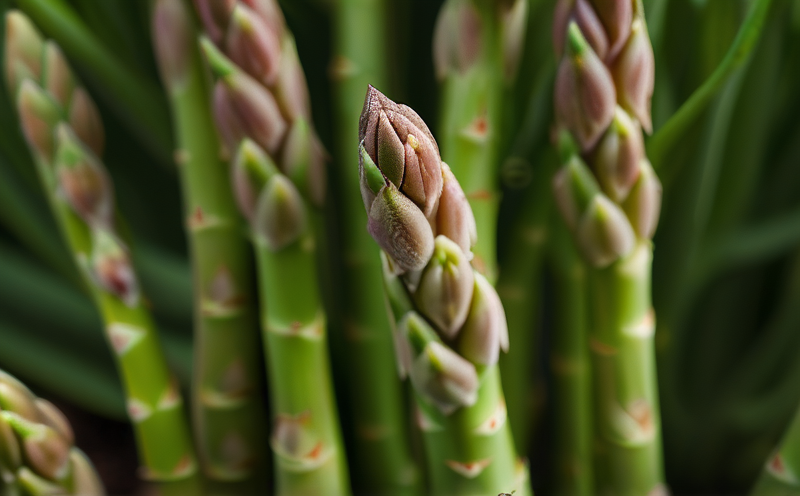
🥦 Asparagus

Asparagus officinalis
vegetables perennial vegetable (asparagaceae) Asparagaceae
Asparagus plant photo
☀️ Sun
Full sun (8+ hours) essential; asparagus planted in shade produces thin, weak spears and depleted crowns over time
💧 Water
Medium; 1, 1.5 inches per week during first 2 establishing years; established crowns are remarkably drought-tolerant (deep root system reaches 10+ feet); supplement water during fern growth stage (summer after harvest)
🗺️ Zones
3, 4, 5, 6, 7, 8
🧪 Soil pH
6.5, 7.5 (neutral to slightly alkaline); tolerates pH up to 8.0
🪴 Soil Type
Deep, rich, well-drained sandy loam; asparagus is a perennial that occupies the same bed for 15, 25+ years , prepare soil deeply (12, 18 inches) with generous compost, aged manure, and rock phosphate (for root development); heavy feeder
🚿 Drainage
Excellent drainage ESSENTIAL , asparagus crowns rot in waterlogged soil; raised beds or mounds recommended in heavy clay areas
📏 Spacing
Crowns 12, 18 inches apart in rows 3, 5 feet apart; crowns planted in trenches 6, 12 inches deep, gradually filled as spears grow
📐 Height
36-60 in (ferns)
⏱️ Maturity
2-3 years (from crowns); harvest lightly in second year, fully from third year onward

🍴 Edible Parts

🍽️ Young spears/shoots (the only edible part , harvested at 6, 10 inches tall) 🍽️ Mature fern fronds (NOT edible , toxic; the ferny growth feeds the crown for next year's harvest) 🍽️ Berries (red berries on female plants are TOXIC , do not eat)
Key:🤝 Grows well together❌ Keep apart☀️ Sun needs💧 Water🗺️ Hardiness zone

🤝 Companions (13)

Repels asparagus beetles and aphids; attracts pollinators during fern stage
Chives repel asparagus beetles and aphids; their antifungal sulfur compounds benefit asparagus health. Recommended by WVU Extension as a beneficial companion.
Attracts predatory wasps and lacewings that eat asparagus beetle larvae
Historical companion , traditional farm interplanting; asparagus supposedly improves grape growth; both deep-rooted perennials
Universal garden companion; deters pests and attracts beneficials
Repels nematodes and asparagus beetles; general pest deterrent; adds color to asparagus bed during fern stage
Trap crop for aphids; repels asparagus beetles; ground cover suppresses weeds between asparagus rows IMPORTANT management caveat: without active management, nasturtiums can become a SOURCE of aphids that migrate to nearby crops. Either remove aphid-infested nasturtium plants promptly, or treat the trap crop itself to eliminate the aphid colony before it spreads. Strategic placement within 4-5 feet of protected crops is key.
Parsley repels asparagus beetles; improves asparagus vigor; grows in asparagus's dappled shade after spear harvest
Strawberries as ground cover between rows; different harvest seasons; strawberries benefit from asparagus's soil conditioning
Classic companion , tomatoes repel asparagus beetle with solanine in their leaves; asparagus may deter root nematodes that affect tomatoes; different root depths

⚠️ Keep Apart (9)

Allelopathic , inhibits asparagus growth and may kill young crowns
Alliums compete with asparagus
Aggressive mint competes for resources
Onions stunt asparagus growth
Potatoes compete with asparagus crown roots; potato harvesting disturbs the permanent asparagus bed
Susceptible to juglone toxicity from walnut trees

💊 Medicinal Uses

Medicinal Properties

  • Excellent source of vitamin K (1 cup = 50%+ daily value), folate, and vitamin C
  • Contains asparagine , a diuretic amino acid; asparagus consumption causes the well-known 'asparagus urine' odor (genetic ability to smell it varies)
  • Rich in glutathione , a master antioxidant important for detoxification and immune function
  • Traditional diuretic and kidney tonic; used in herbal medicine for urinary tract health
  • Contains inulin , prebiotic fiber supporting gut microbiome; good source of rutin (blood vessel health)

📝 Growing Notes

Asparagus is a LONG-TERM investment , crowns live and produce for 15, 25+ years. DO NOT harvest the first 2 years (let all spears fern out to build crown strength). Year 3: harvest for 2, 4 weeks. Year 4+: harvest for 6, 8 weeks. Male hybrids ('Jersey' series) are 3× more productive than female plants (no energy wasted on berries). Plant crowns in trenches, covering gradually. The fern stage (after harvest) is critical , let ferns grow ALL summer without cutting to feed the crown. Cut ferns only after they've yellowed in late fall. Asparagus beetle is the main pest , hand-pick larvae; chickens in the patch during fern stage are excellent organic control. Patience is rewarded , a well-established bed produces daily spears for 2 months every spring.

🛒 Buy Seeds & Plants

Plot Buddies is reader-supported. When you buy through links on our site, we may earn an affiliate commission at no extra cost to you. This does not affect our plant recommendations. We only link to retailers we trust.