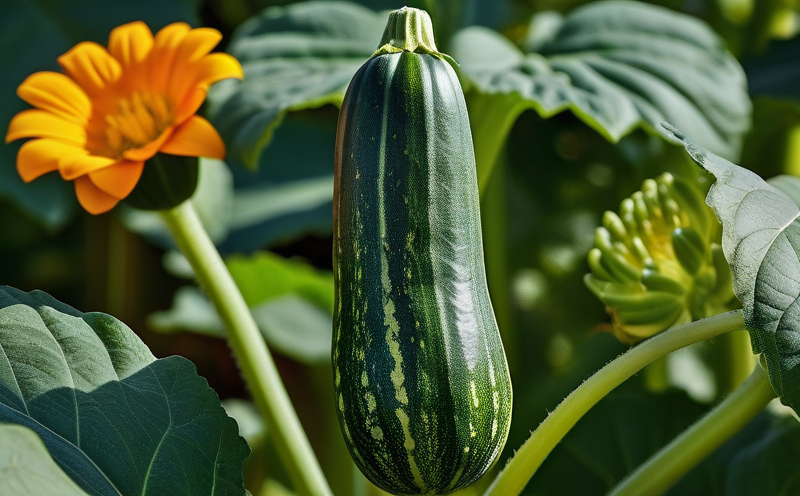
🥦 Zucchini
Cucurbita pepo
vegetables
fruit (culinary vegetable, summer squash)
☀️ Sun
Full sun (6, 8+ hours); one of the most sun-demanding vegetables
💧 Water
High; 1, 2 inches per week; heavy mulching retains moisture; water at base to prevent powdery mildew on leaves
🗺️ Zones
3, 4, 5, 6, 7, 8, 9, 10
🧪 Soil pH
6.0, 7.5 (slightly acidic to slightly alkaline)
🪴 Soil Type
Very rich, well-drained soil with heavy compost amendment; squash are notoriously heavy feeders , plant in old compost piles for spectacular results
🚿 Drainage
Moisture-retentive but well-drained; raised mounds (hills) preferred for drainage and warmth
📏 Spacing
24, 36 inches apart in rows 48, 60 inches apart; bush varieties need slightly less
⏱️ Maturity
45-55 days (from seed); harvest at 6-8 inches for best quality
🍴 Edible Parts
🍽️ Fruit (entire young zucchini)
🍽️ Flowers (male blossoms , stuffed, fried)
🍽️ Seeds (roasted)
Key:🤝 Grows well together❌ Keep apart☀️ Sun needs💧 Water🗺️ Hardiness zone
🤝 Companions (7)
🤝 Bean (bush/pole)
Beans fix nitrogen that zucchini heavily consumes; a perfect nutritional pairing
Attracts bees ensuring excellent pollination; improves zucchini growth and flavor; adds minerals to soil
Attracts beneficial insects and pollinators
Attracts predatory wasps that parasitize squash bugs and cucumber beetles; improves growth
Suppresses root-knot nematodes; repels squash bugs and cucumber beetles
Repels squash bugs, cucumber beetles, and whiteflies; trap crop for aphids; edible flowers attract pollinators IMPORTANT management caveat: without active management, nasturtiums can become a SOURCE of aphids that migrate to nearby crops. Either remove aphid-infested nasturtium plants promptly, or treat the trap crop itself to eliminate the aphid colony before it spreads. Strategic placement within 4-5 feet of protected crops is key.
Repels squash vine borers and cucumber beetles; fast-growing , harvested before zucchini sprawls
⚠️ Keep Apart (3)
Allelopathic , strongly inhibits squash growth
Both heavy feeders; compete for nutrients; potatoes may promote diseases affecting squash
Cross-pollination risk for seed saving; can attract massed pests; competition for space and nutrients
💊 Medicinal Uses
Medicinal Properties
- Rich in vitamins A, C, and manganese; low calorie, high fiber
- Contains significant potassium (helpful for blood pressure)
- High water content , hydrating; easily digestible, often used as one of first baby foods
- Traditional: zucchini poultice used externally for skin inflammation
📝 Growing Notes
Zucchini is a summer squash , harvested immature with soft skin. One or two plants feed a family (they're famously prolific!). Powdery mildew is the most common disease , prevent with good air circulation, water at base. Hand-pollinate if bee activity is low. Harvest at 6, 8 inches for best flavor and texture. Male flowers appear first, female flowers have tiny fruit at base.
🛒 Buy Seeds & Plants
Baker Creek Heirloom Seeds
Johnny's Selected Seeds
Botanical Interests
True Leaf Market
Burpee
Territorial Seed Company
Plot Buddies is reader-supported. When you buy through links on our site, we may earn an affiliate commission at no extra cost to you. This does not affect our plant recommendations. We only link to retailers we trust.