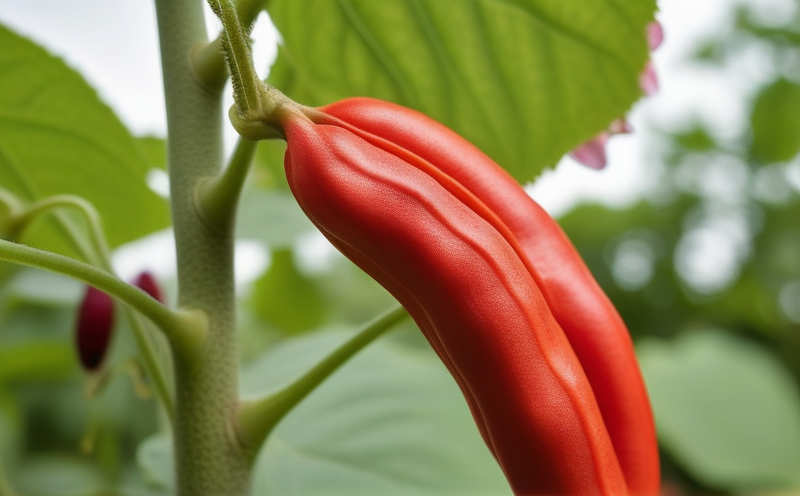
🫘 Runner Bean

Phaseolus coccineus
vegetables legume (perennial grown as annual in most climates)
Runner Bean plant photo
☀️ Sun
Full sun (6, 8+ hours); runner beans tolerate slightly more shade than pole beans , partial shade in hottest climates extends flowering
💧 Water
Medium; 1 inch per week; consistent moisture critical during flowering and pod set; water at base , wet foliage promotes fungal diseases (rust, powdery mildew); reduce watering when pods mature
🗺️ Zones
3, 4, 5, 6, 7, 8, 9, 10, 11
🧪 Soil pH
6.0, 7.0 (slightly acidic to neutral); beans are sensitive to acidic soil , lime if pH < 6.0
🪴 Soil Type
Rich, well-drained, loamy soil with moderate organic matter; do NOT over-fertilize with nitrogen , beans fix their own; too much nitrogen = all vines, few flowers/pods; add phosphorus and potassium for flowering
🚿 Drainage
Well-drained essential; beans are very sensitive to wet soil , seeds rot in cold, wet conditions
📏 Spacing
Seeds 4, 6 inches apart at base of trellis/pole; rows 3 feet apart; runner beans need a STURDY trellis (6, 8 feet tall) , they're heavier and more vigorous than pole beans
⏱️ Maturity
60-80 days (from seed); perennial in mild climates, annual in temperate

🍴 Edible Parts

🍽️ Pods (young green pods , harvest at 4, 6 inches before seeds bulge; stringy if left too long) 🍽️ Seeds (fresh shelled beans , white, pink, purple speckled; or dried for winter storage) 🍽️ Flowers (scarlet/orange , edible, sweet nectar; hummingbird attractant) 🍽️ Roots (tuberous roots in Zone 8+ , potentially edible, but rarely consumed)
Key:🤝 Grows well together❌ Keep apart☀️ Sun needs💧 Water🗺️ Hardiness zone

🤝 Companions (8)

🤝 Corn (Three Sisters)
Attracts beneficial insects and pollinators
Repels Mexican bean beetles and nematodes; attracts beneficial insects
Trap crop for aphids (black bean aphids prefer nasturtiums); repels whiteflies and squash bugs; attracts pollinators IMPORTANT management caveat: without active management, nasturtiums can become a SOURCE of aphids that migrate to nearby crops. Either remove aphid-infested nasturtium plants promptly, or treat the trap crop itself to eliminate the aphid colony before it spreads. Strategic placement within 4-5 feet of protected crops is key.
Beans and potatoes are mutually beneficial , beans repel Colorado potato beetles; potatoes repel Mexican bean beetles; complementary root depths (classic European intercropping)
Radishes repel bean beetles; quick crop harvested before beans climb; minimal space competition
Repels bean beetles and flea beetles; aromatic oils mask bean scent from pests
🤝 Savory (summer)
'The bean herb' , repels bean beetles and improves bean growth; classic European companion; may enhance flavor
🤝 Squash/Pumpkin (Three Sisters)
Squash provides living mulch/shade suppressing weeds and retaining soil moisture for corn and beans; spiny squash leaves deter raccoons and pests; completes the Three Sisters trio

⚠️ Keep Apart (5)

⚠️ Brassicas (kale, cabbage, broccoli)
Brassica root exudates may inhibit bean growth; beans' nitrogen fixation may cause brassicas to produce excess leaves at expense of heads
Allelopathic , strongly inhibits bean growth and nitrogen fixation
Gladiolus and runner beans inhibit each other's growth; avoid in flower/vegetable garden border
Alliums inhibit bean growth , sulfur compounds interfere with bean's nitrogen-fixing rhizobia bacteria; stunted beans and reduced yield
Sunflowers are allelopathic to beans , inhibits germination and stunts growth; keep separate

💊 Medicinal Uses

Medicinal Properties

  • Excellent source of plant-based protein (when shelled/dried) and dietary fiber
  • Rich in folate, magnesium, potassium, and iron
  • Contains phaseolamin , a protein that inhibits alpha-amylase (starch digestion), being studied for blood sugar management
  • Good source of B vitamins, particularly thiamine (B1) and B6
  • Insoluble fiber supports digestive health and cholesterol reduction

📝 Growing Notes

Runner beans are closely related to but distinct from common pole beans (Phaseolus vulgaris). Key differences: runner beans have showy scarlet/orange/white flowers (hummingbirds LOVE them), are more cold-tolerant (can be planted slightly earlier), are perennial in Zones 7+ (tuberous roots survive mild winters), and have thicker, meatier pods. Flowers are self-fertile but benefit from bee pollination for full pod set. Runner beans prefer COOLER conditions than pole beans , they thrive in UK, Pacific Northwest, and high-altitude gardens where pole beans struggle. In hot climates (>85°F), flower drop is a problem , provide afternoon shade. Soak seeds 2, 4 hours before planting. 'Scarlet Runner' is the classic variety , ornamental AND productive. Excellent for edible landscaping on arbors and teepees.

🛒 Buy Seeds & Plants

Plot Buddies is reader-supported. When you buy through links on our site, we may earn an affiliate commission at no extra cost to you. This does not affect our plant recommendations. We only link to retailers we trust.