🫘 Fava Bean (Broad Bean)
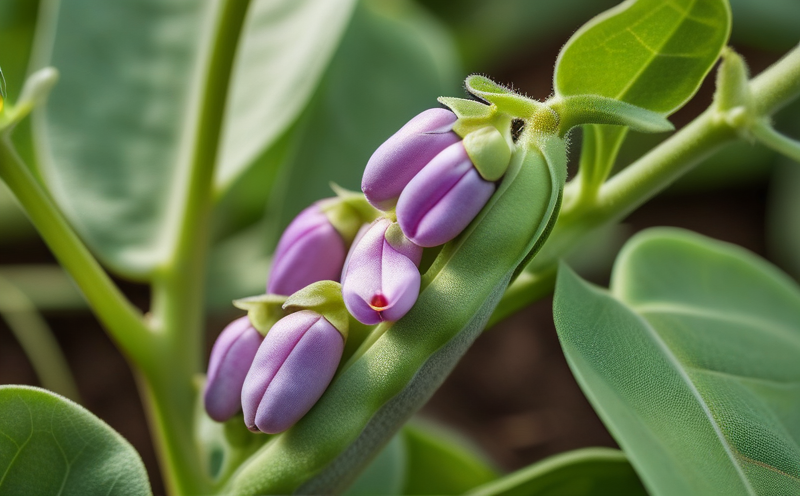
🍴 Edible Parts
🤝 Companions (8)
⚠️ Keep Apart (4)
💊 Medicinal Uses
Medicinal Properties
- Excellent plant-based protein source , one of the highest-protein legumes (25%+ by dry weight when shelled)
- Exceptionally rich in L-dopa (levodopa) , the precursor to dopamine; fava beans are the natural food source with the highest L-dopa content; being studied for Parkinson's disease management
- Rich in folate , one cup provides 100%+ daily value; critical for fetal development and cardiovascular health
- High in fiber, iron, magnesium, potassium, and B vitamins
- WARNING: Favism , a genetic G6PD enzyme deficiency affecting ~400 million people worldwide (especially Mediterranean, African, Middle Eastern descent); eating fava beans can cause severe hemolytic anemia in susceptible individuals
📝 Growing Notes
Fava beans (broad beans) are one of the oldest cultivated crops (6,000+ years). Unlike most beans, they are COOL-SEASON , plant as early as soil can be worked (they tolerate frost to 21°F/-6°C). In Zones 7, 10, plant in fall for early spring harvest. Pinch out growing tips when first pods appear , this redirects energy to pods AND removes the soft tissue that black bean aphids prefer (the #1 pest of favas). Harvest when pods are plump but still green , beans continue to mature after picking. For dried beans, let pods turn black on the plant. Favas make an outstanding winter cover crop/green manure , the biomass adds significant nitrogen and organic matter when turned under. Tall varieties need staking; dwarf varieties are self-supporting. The flowers are fragrant and attract bumblebees.
🛒 Buy Seeds & Plants
Plot Buddies is reader-supported. When you buy through links on our site, we may earn an affiliate commission at no extra cost to you. This does not affect our plant recommendations. We only link to retailers we trust.