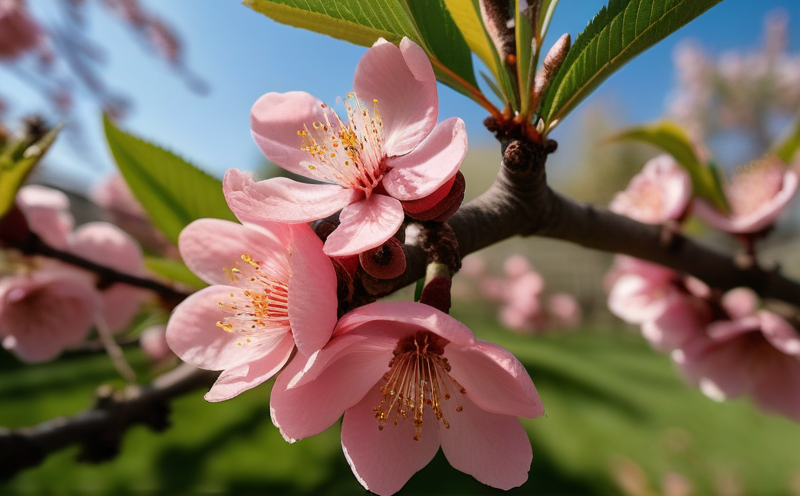
🍑 Peach Tree
Prunus persica
Tree
☀️ Sun
Full sun (6+ hours)
💧 Water
Moderate; deep watering weekly; good drainage critical
🗺️ Zones
5–9
📏 Spacing
10–12 ft (dwarf); 18–20 ft (standard)
📐 Height
12–25 ft
🧪 Soil pH
6.0–6.8
⏱️ Maturity
2–4 years to first fruit
Key:🤝 Grows well together❌ Keep apart☀️ Sun needs💧 Water🗺️ Hardiness zone
🤝 Companions (10)
Good companion — Peach Tree and Marigold grow well together.
Good companion — Peach Tree and Nasturtium grow well together.
Good companion — Peach Tree and Lavender grow well together.
Good companion — Peach Tree and Borage grow well together.
🤝 Clover
Good companion — Peach Tree and Clover grow well together.
Good companion — Peach Tree and Garlic grow well together.
Good companion — Peach Tree and Basil grow well together.
Good companion — Peach Tree and Comfrey grow well together.
Good companion — Peach Tree and Chives grow well together.
Good companion — Peach Tree and Tansy grow well together.
⚠️ Keep Apart (5)
Keep apart — these plants do not grow well together.
⚠️ Brassicas
Keep apart — these plants do not grow well together.
Keep apart — these plants do not grow well together.
Keep apart — these plants do not grow well together.
Keep apart — these plants do not grow well together.
📝 Growing Notes
Peach trees pair well with marigolds to repel aphids and nematodes, and nasturtiums serve as trap crops that draw aphids away. Garlic planted in a ring around the trunk helps deter borers. Black walnut, brassicas, and nightshades are significant enemies due to juglone toxicity, nutrient competition, and shared diseases.