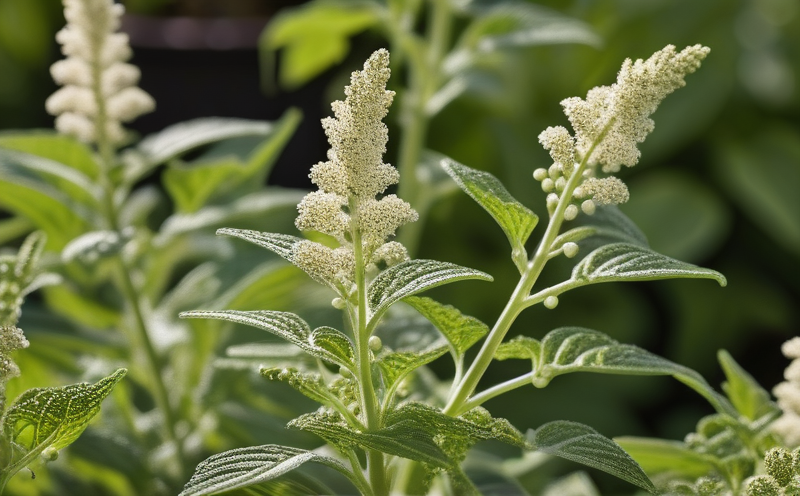
🌾 Quinoa

Chenopodium quinoa
grains annual
Illustration of Quinoa
☀️ Sun
full sun
💧 Water
low to moderate (drought-tolerant)
🗺️ Zones
4-10 (as annual; cool-season crop)
🪴 Soil Type
sandy, loamy (tolerates poor, saline soils)
🧪 Soil pH
6.0-8.5
💧 Drainage
well-drained
📏 Spacing
10-14 inches
📐 Height
3-9 feet (depending on variety)
📅 Days to Maturity
90-120 days

🍴 Edible Parts

🍽️ seeds🍽️ leaves (young)

🤝 Companions (10)

🤝 Bean (Bush)
Bush beans fix nitrogen that supports quinoa's protein production, and their low growth habit doesn't shade the quinoa
Both pseudocereals share similar growing conditions and pest resistance; amaranth's taller growth provides wind protection for quinoa
🤝 Marigold
Marigolds repel nematodes and aphids that can affect quinoa; they attract beneficial insects that control quinoa pests
🤝 Pea
Peas fix nitrogen supporting quinoa's high protein seed production; harvested before quinoa reaches full height — a natural relay cropping system.
Dill attracts predatory wasps and hoverflies that control aphids on quinoa; feathery foliage allows light through while hosting beneficial insects.
🤝 Coriander / Cilantro
Coriander flowers attract lacewings, parasitic wasps, and other beneficial insects that prey on quinoa pests; strong aroma repels aphids.
Nasturtium acts as a trap crop for aphids, drawing them away from quinoa; sprawling ground cover suppresses weeds and conserves moisture.
Calendula attracts pollinators and predatory insects; root exudates help suppress soil nematodes that can damage quinoa roots.
Onions repel aphids and thrips with sulfur compounds; shallow roots don't interfere with quinoa's deeper root system.
Radishes are quick-growing, harvested before quinoa needs the space; break up soil compaction and add organic matter through decomposition.

⚠️ Keep Apart (7)

Both are susceptible to similar fungal pathogens (early blight, powdery mildew); proximity increases disease pressure on both crops
Being in the same family (Chenopodiaceae/Amaranthaceae), they share pests and diseases including leaf miners and downy mildew
⚠️ Walnut (Black)
Juglone toxicity inhibits quinoa germination and causes leaf yellowing, stunting, and reduced seed production
Potatoes and quinoa share susceptibility to early blight and fungal pathogens; both are heavy feeders competing for potassium and phosphorus.
Beets are in the Amaranthaceae family with quinoa, sharing pests like leaf miners and diseases like Cercospora leaf spot — avoid close proximity.
Swiss chard is a close relative (same family); shared pests and diseases make them poor garden companions for quinoa.
⚠️ Lambsquarters
Lambsquarters is a wild quinoa relative harboring the same pests and diseases; remove from quinoa fields to prevent pest bridges.

💊 Medicinal Uses

Quinoa is one of the most nutritionally complete plant foods — it contains all nine essential amino acids in balanced proportions, making it a complete protein unique among grains. It is rich in fiber, iron, magnesium, phosphorus, manganese, zinc, and B vitamins. Quinoa contains high levels of quercetin and kaempferol, flavonoids with anti-inflammatory, antiviral, and anticancer properties. The grain has a low glycemic index beneficial for blood sugar management. Quinoa is naturally gluten-free, making it safe for celiac disease. Its saponin coating (washed off before eating) has antimicrobial and cholesterol-lowering properties.

📜 History & Traditional Uses

Quinoa was domesticated 5,000-7,000 years ago in the Andean highlands around Lake Titicaca (present-day Peru and Bolivia). It was a sacred crop to the Inca civilization, called 'chisaya mama' (mother of all grains), and was central to their diet along with potatoes and corn. Inca emperors planted the first quinoa seeds of each season in gold implements during elaborate ceremonies. After Spanish conquest, quinoa cultivation was suppressed in favor of wheat and barley, surviving only in remote high-altitude communities. Quinoa experienced a global renaissance in the 2000s-2010s as a 'superfood,' leading to dramatically increased cultivation and prices in the Andes.

📝 Notes

Quinoa is not a true cereal grain but a pseudocereal (like buckwheat and amaranth), botanically related to spinach and beets. It is remarkably adaptable — it grows from sea level to over 13,000 feet in the Andes, tolerates frost, drought, and saline soils that would kill most crops. The seeds are coated in bitter saponins that deter birds and insects — these must be thoroughly washed off before eating (most commercial quinoa is pre-washed). The colorful seed heads (red, orange, purple, gold, black) are ornamental. Quinoa is a cool-season crop that bolts in prolonged heat — plant in early spring or late summer. In high heat, it may not set seed.