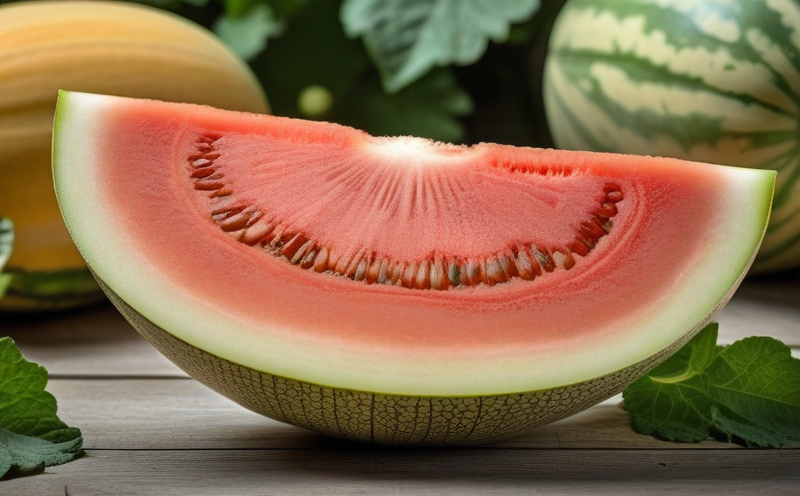
🍎 Melon (Cantaloupe / Honeydew / Watermelon)
Cucumis melo / Citrullus lanatus
fruits
annual vine
☀️ Sun
full sun
💧 Water
consistent until fruit set, then reduce for sweeter fruit
🗺️ Zones
4, 11 (warm season)
🧪 Soil pH
6.0, 7.0
🪴 Soil Type
well-drained sandy loam, rich in organic matter
📏 Spacing
18-24 in. apart (bush), 36-48 in. (vine); 48-72 in. between rows
⏱️ Maturity
75-100 days (from seed/transplant); watermelon 80-100 days, cantaloupe 75-90, honeydew 80-100
🍴 Edible Parts
🍽️ Fruit
Key:🤝 Grows well together❌ Keep apart☀️ Sun needs💧 Water🗺️ Hardiness zone
🤝 Companions (8)
Quick cover crop between melon rows; attracts pollinators and beneficial insects
Fix nitrogen for heavy-feeding melons; grow early before vines spread
🤝 Corn / Sunflower
Provide windbreak and dappled shade in hot climates; melons serve as living mulch underneath
Attracts beneficial wasps that prey on cucumber beetles and squash bugs
Repels cucumber beetles and nematodes; strong scent masks melon from pests
Squash bug and cucumber beetle trap crop; groundcover IMPORTANT management caveat: without active management, nasturtiums can become a SOURCE of aphids that migrate to nearby crops. Either remove aphid-infested nasturtium plants promptly, or treat the trap crop itself to eliminate the aphid colony before it spreads. Strategic placement within 4-5 feet of protected crops is key.
Aromatic pest repellent; attracts pollinators for melon flower set
Repels cucumber beetles and flea beetles; fast-growing , harvest before melons spread
⚠️ Keep Apart (4)
⚠️ Other cucurbits (squash, cucumber)
Shared pest complex , cucumber beetles, squash bugs, powdery mildew; increased disease pressure from overcrowding
Shared blight susceptibility; competition for similar nutrients
Aromatic oils may stunt melon growth
Juglone sensitivity
🛒 Buy Seeds & Plants
Baker Creek Heirloom Seeds
Johnny's Selected Seeds
Botanical Interests
True Leaf Market
Burpee
Territorial Seed Company
Plot Buddies is reader-supported. When you buy through links on our site, we may earn an affiliate commission at no extra cost to you. This does not affect our plant recommendations. We only link to retailers we trust.