🌿 Sage

Salvia officinalis
herbs Perennial woody subshrub Lamiaceae
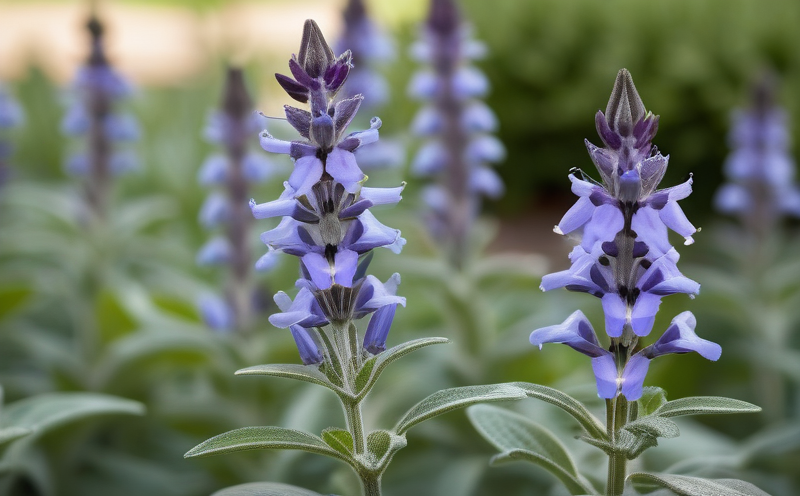
Sage plant photo
☀️ Sun
Full sun; 6-8 hours daily.
💧 Water
Drought-tolerant once established. Water sparingly. Overwatering causes root rot and mildew.
🗺️ Zones
USDA zones 4-8; some varieties to zone 9
🧪 Soil pH
6.0-7.0 (prefers well-drained, sandy/loamy soil; tolerates slightly alkaline)
🪴 Soil Type
Well-draining, sandy loam; pH 6.0-7.0. Tolerates poor soil. Avoid heavy clay.
📏 Spacing
18-24 inches apart
📐 Height
18-36 inches
⏱️ Maturity
Light harvest year 1; full harvest year 2 onward

🍴 Edible Parts

🍽️ Leaves 🍽️ Flowers
Key:🤝 Grows well together❌ Keep apart☀️ Sun needs💧 Water🗺️ Hardiness zone

🤝 Companions (14)

Sage repels cabbage moths and flea beetles from Brussels sprouts; strong aromatic protection.
Sage deters cabbage moths and cabbage loopers; traditional brassica companion.
Sage repels carrot flies with its strong aroma; both prefer well-drained soil.
Sage protects collards from cabbage pests; aromatic leaves deter insects.
Both are aromatic perennials that attract pollinators and repel pests together.
Sage repels cabbage moths from kale; Mediterranean herb companion for brassicas.
Lavender and Sage are well-documented garden companions; mutually beneficial relationship.
Complementary aromatics; both attract pollinators and repel pests.
Identical Mediterranean growing requirements; combined aromatic pest deterrence.
Deters slugs and some insect pests.
Repels flea beetles and other pests; may improve tomato health.

⚠️ Keep Apart (11)

Sage's aromatic oils may inhibit apricot tree root development and growth; plant at least 4 feet apart.
Sage and basil inhibit each other's growth; different water needs.
Sage can stunt cucumber growth; reports of flavor impact on cucumbers.
Sage's aromatic oils may inhibit garlic root development and growth; plant at least 4 feet apart.
Sage's aromatic oils may inhibit holy basil root development and growth; plant at least 4 feet apart.
⚠️ Melon (Cantaloupe / Honeydew / Watermelon)
Sage's aromatic oils may inhibit melon root development and growth; plant at least 4 feet apart.
Sage's aromatic oils may inhibit onion root development and growth; plant at least 4 feet apart.
⚠️ Rue
Mutual antagonism; both herbs stunt each other.
Sage's aromatic oils may inhibit watermelon root development and growth; plant at least 4 feet apart.

💊 Medicinal Uses

Conditions Treated

💊 Sore throat, tonsillitis, and mouth ulcers (powerful astringent and antimicrobial) 💊 Excessive sweating (night sweats, menopausal hot flashes , one of the best herbal remedies) 💊 Digestive issues (indigestion, gas, diarrhea) 💊 Cognitive decline and memory (mild nootropic; Alzheimer's research ongoing) 💊 Menstrual issues (irregular cycles, cramps, excessive bleeding) 💊 Sore gums and oral infections 💊 Mild anxiety and mood swings 💊 Respiratory infections and excessive mucus

Preparation Methods

  • Sage gargle: Strong infusion cooled; gargle for sore throat, tonsillitis, mouth ulcers 3-4x daily
  • Sweat-reducing tea: 1 tsp dried sage in cold water brought to boil, steeped 5 min; 1 cup in evening for night sweats
  • Tincture: 1:5 in 45% alcohol; 1-2ml 3x daily for menopausal symptoms or excessive sweating
  • Smudge stick: Dried sage bundle burned ceremonially (also antimicrobial smoke)
  • Tooth powder: Dried powdered sage used historically as tooth cleanser
  • Infused honey: Sage in honey for sore throat and cough

Active Compounds

⚗️ Thujone ⚗️ Cineole ⚗️ Rosmarinic acid ⚗️ Tannins ⚗️ Flavonoids ⚗️ Camphor

⚠️ Safety

Do NOT use medicinal doses during pregnancy or breastfeeding (thujone can cause uterine contractions and affect milk supply). Avoid if epileptic (thujone may trigger seizures). Limit medicinal use to 1-2 weeks at a time. High doses of thujone are neurotoxic. Culinary amounts are safe. Not for long-term internal medicinal use.

📜 History & Folklore

🏛️ Ancient

Romans held sage as sacred, harvested with ceremony. Used for snakebite, digestive issues, and female complaints. 'Salvia' from 'salvare' (to save/heal).

🏰 Medieval

'Cur moriatur homo cui salvia crescit in horto?' , 'Why should a man die while sage grows in his garden?' Medieval proverb showing sage's high esteem. Used during plague epidemics. Key ingredient in Four Thieves Vinegar.

🌿 Folk Medicine

Traditional remedy for 'women's problems' , regulating menstruation, drying breast milk during weaning, treating menopausal hot flashes. Used for excessive salivation and night sweats in tuberculosis patients. Smudging ceremonies in Native American traditions.

🛒 Buy Seeds & Plants

Plot Buddies is reader-supported. When you buy through links on our site, we may earn an affiliate commission at no extra cost to you. This does not affect our plant recommendations. We only link to retailers we trust.