🌾 Buckwheat
Fagopyrum esculentum
grains
annual
Polygonaceae
☀️ Sun
full sun
💧 Water
moderate
🗺️ Zones
3-10
🧪 Soil pH
5.5-7.0
🪴 Soil Type
loamy, sandy
🚿 Drainage
well-drained
📏 Spacing
3-6 inches (broadcast), 6-8 inches (rows)
📐 Height
2-4 feet
⏱️ Maturity
30-45 days (cover crop), 70-84 days (grain)
Key:🤝 Grows well together❌ Keep apart☀️ Sun needs💧 Water🗺️ Hardiness zone
🤝 Companions (3)
Buckwheat attracts predatory wasps and hoverflies that control cabbage pests like aphids and caterpillars
Buckwheat's rapid growth provides weed suppression around squash plants, and its flowers bring in pollinators
Buckwheat attracts pollinators to improve strawberry fruit set and harbors predatory insects that control spider mites
⚠️ Keep Apart (2)
📝 Growing Notes
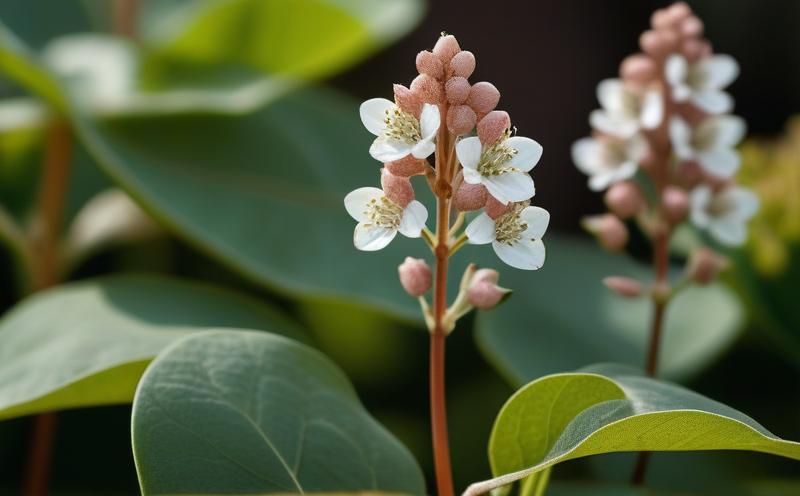
Buckwheat is not related to wheat and is gluten-free, making it a pseudocereal. It is an exceptionally fast-growing cover crop that smothers weeds, scavenges phosphorus, and attracts pollinators and beneficial insects with its abundant white flowers. It can go from seed to flower in just 30 days. Buckwheat thrives in poor soils and is often used to improve degraded land. The flowers produce a dark, strong-flavored honey prized by beekeepers. It is frost-sensitive and will die at the first hard frost.
🛒 Buy Seeds & Plants
Baker Creek Heirloom Seeds
Johnny's Selected Seeds
Botanical Interests
True Leaf Market
Burpee
Territorial Seed Company
Plot Buddies is reader-supported. When you buy through links on our site, we may earn an affiliate commission at no extra cost to you. This does not affect our plant recommendations. We only link to retailers we trust.