🌱 Wheat

Triticum aestivum (bread wheat), T. durum (durum/pasta wheat)
grains annual Poaceae
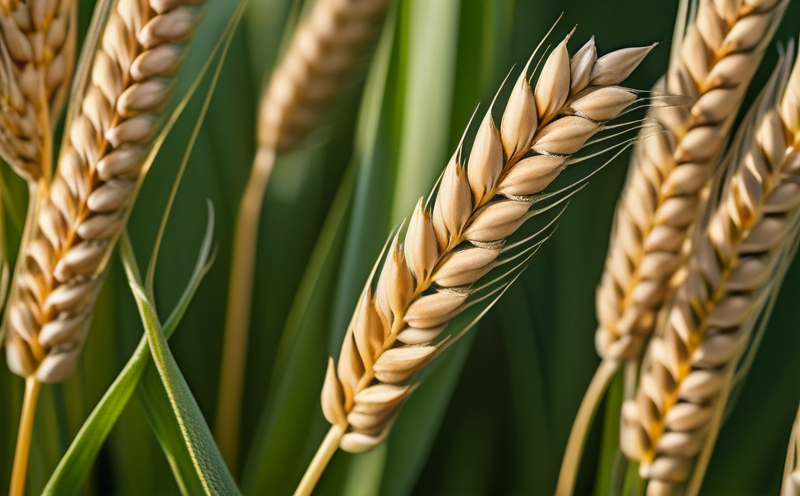
Wheat plant photo
☀️ Sun
full sun
💧 Water
moderate
🗺️ Zones
3-9 (spring wheat), 5-8 (winter wheat)
🧪 Soil pH
6.0-7.5
🪴 Soil Type
loamy, clay loam
🚿 Drainage
well-drained
📏 Spacing
6-8 inches (rows), 1-2 inches (broadcast)
📐 Height
2-4 feet
⏱️ Maturity
100-130 days (spring), 240-300 days (winter)
Key:🤝 Grows well together❌ Keep apart☀️ Sun needs💧 Water🗺️ Hardiness zone

🤝 Companions (11)

Alfalfa is a long-term rotation partner for wheat; deep roots improve soil structure and fix 150-200+ lbs nitrogen/acre over 2-3 years.
Buckwheat is a fast summer green manure between wheat crops; scavenges phosphorus, suppresses weeds, and attracts beneficial insects.
🤝 Canola / Rapeseed
Canola in rotation with wheat breaks cereal disease cycles; taproot improves soil structure and leaves residual nutrients for wheat.
Chickpeas fix nitrogen for the following wheat crop in rotation; wheat-chickpea rotation is a cornerstone of sustainable dryland farming
Red clover is a traditional green manure for wheat rotations , it fixes nitrogen, improves soil structure, and breaks disease cycles
Flax and wheat have complementary root systems at different soil depths; flax's early growth suppresses weeds that would compete with wheat
Lentils are traditional wheat rotation partners in Mediterranean and South Asian agriculture; fix nitrogen with short stature for intercropping.
🤝 Mustard (biofumigant)
Mustard grown before wheat acts as a biofumigant; glucosinolates suppress soil-borne wheat pathogens like take-all and fusarium.
🤝 Pea (field)
Field peas are a classic wheat rotation companion , fix substantial nitrogen for following wheat and break cereal disease cycles.
Forage radishes break compaction with deep taproots, improving soil structure for wheat; rapid decomposition adds organic matter.
🤝 Vetch (Hairy)
Hairy vetch is one of the best green manures for wheat , fixes up to 100+ lbs nitrogen/acre and residue suppresses weeds.

⚠️ Keep Apart (7)

Wheat and barley share all major fungal diseases including rusts, powdery mildew, and fusarium head blight , amplified disease pressure.
⚠️ Brome Grass
Brome grass is a serious grassy weed in wheat fields; hosts wheat diseases and seeds contaminate grain, reducing quality.
Eucalyptus aggressively depletes soil moisture and releases allelopathic oils that suppress wheat growth in adjacent fields
Both are small grains sharing the same diseases (rust, fusarium); planting in close rotation increases disease and pest pressure
Rye and wheat are winter cereals sharing rust pathogens and aphid vectors; separate in rotation and never grow as adjacent fields.
Wheat and sorghum share fusarium pathogens; sorghum residue harbors wheat diseases , not for close rotation.
Juglone in walnut leaf litter and root exudates severely inhibits wheat germination and seedling growth

📝 Growing Notes

Wheat is classified into winter wheat (planted in fall, vernalized over winter, harvested in summer) and spring wheat (planted in spring, harvested in late summer). It is further classified as hard (high protein, for bread) or soft (low protein, for pastries and cakes). Durum wheat is used for pasta. Ancient wheat varieties like einkorn (T. monococcum), emmer (T. dicoccum), and spelt (T. spelta) have lower gluten and higher nutrient density than modern bread wheat. Wheat is a heavy feeder that benefits from nitrogen-rich soil. It is susceptible to rust diseases, fusarium head blight, and wheat stem sawfly.

🛒 Buy Seeds & Plants

Plot Buddies is reader-supported. When you buy through links on our site, we may earn an affiliate commission at no extra cost to you. This does not affect our plant recommendations. We only link to retailers we trust.