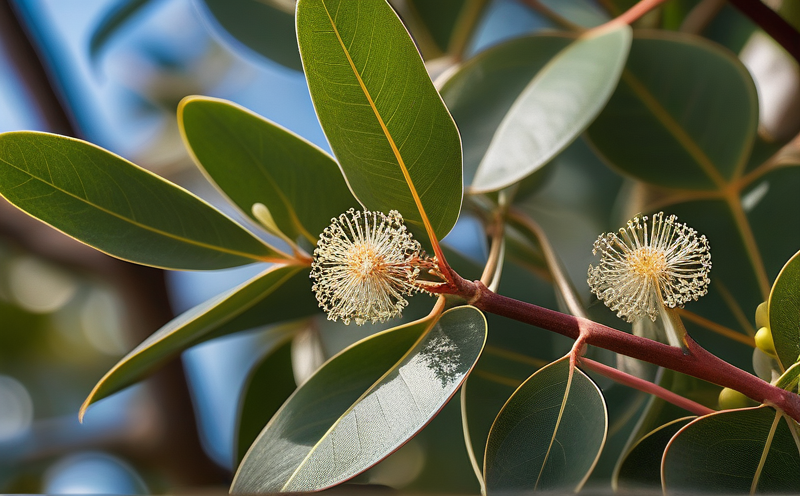
🌺 Eucalyptus

Eucalyptus spp. (over 700 species; E. globulus, E. camaldulensis most common)
exotics tree Myrtaceae
Eucalyptus plant photo
☀️ Sun
full sun
💧 Water
low to moderate (drought-tolerant; aggressively mines groundwater)
🗺️ Zones
8-11 (varies by species; some cold-hardy to zone 7)
🧪 Soil pH
5.5-7.5
🪴 Soil Type
sandy, loamy, tolerates poor and degraded soils
🚿 Drainage
well-drained
📏 Spacing
20-40 feet (timber/plantation), 6-10 feet (coppice/screen)
📐 Height
30-300 feet (depending on species)
⏱️ Maturity
1825-3650 days (5-10 years to harvestable timber; essential oil from year 2)
Key:🤝 Grows well together❌ Keep apart☀️ Sun needs💧 Water🗺️ Hardiness zone

🤝 Companions (11)

🤝 Acacia (Wattle)
Attracts beneficial insects and pollinators
🤝 Banksia
Banksia is an Australian Proteaceae adapted to eucalyptus forests; tolerates phosphorus-poor, allelopathic soil conditions and attracts native pollinators.
🤝 Bottlebrush (Callistemon)
Fellow Australian Myrtaceae that tolerates eucalyptus competition; shares pollinators and is adapted to the same soil conditions
🤝 Correa (Native Fuchsia)
Correa is a shade-tolerant Australian shrub growing naturally under eucalyptus; bell-shaped flowers provide winter nectar for honeyeaters.
🤝 Dianella (Flax Lily)
Dianella is a hardy Australian understory plant tolerating eucalyptus leaf litter and root competition; berries feed native birds.
🤝 Grevillea
Australian native in the Proteaceae family; adapted to eucalyptus's phosphorus-poor, allelopathic soil conditions
🤝 Hakea
Hakea is another Proteaceae that co-evolved with eucalyptus; it handles the competitive root environment and shares bird pollinators.
🤝 Kangaroo Paw (Anigozanthos)
Kangaroo paw is adapted to dry, nutrient-poor conditions under eucalyptus; adds biodiversity to eucalyptus understory with bright flowers.
🤝 Lomandra (Mat Rush)
Lomandra thrives beneath eucalyptus; deep fibrous roots stabilize soil on slopes with virtually no maintenance.
🤝 Native Australian Grasses
Grasses like Themeda and Poa have evolved tolerance to eucalyptus allelopathy; they provide ground cover and support soil microbiology.
🤝 Tea Tree (Melaleuca)
Melaleuca species are Myrtaceae relatives coexisting naturally with eucalyptus; they share similar soil and water adaptations.

⚠️ Keep Apart (7)

⚠️ Annual Flower Bed
Most annual flowers struggle with eucalyptus competition; allelopathic leaf litter suppresses germination and ongoing root competition stunts growth.
⚠️ Citrus Tree
Citrus trees suffer severe water stress and nutrient deficiency competing with eucalyptus roots; fruit yield drops dramatically within the root zone.
⚠️ Fruit Tree (General)
Fruit trees near eucalyptus suffer severe water stress, allelopathic growth inhibition, and reduced fruit production
⚠️ Grain Crop (General)
Field crops adjacent to eucalyptus plantations show dramatic yield reductions from water competition and allelopathic effects extending 30-50 feet
⚠️ Lawn / Turf Grass
Turf grasses thin out and die beneath eucalyptus due to dense shade, heavy leaf litter, moisture competition, and soil chemistry changes.
Roses are highly sensitive to eucalyptus allelopathy; oils suppress flowering and cause leaf drop , keep roses well away from eucalyptus root zones.
⚠️ Vegetable Garden (General)
Eucalyptus is broadly incompatible with vegetable gardens , allelopathic oils and aggressive water depletion suppress virtually all annual vegetables

📝 Growing Notes

Eucalyptus is famously problematic in gardens and agroforestry due to its allelopathy , the leaves, bark, and roots release chemicals that inhibit the germination and growth of many other plants. The trees are 'water pumps,' aggressively extracting soil moisture and lowering water tables, which can devastate nearby plantings. Eucalyptus leaf litter creates a thick, fire-prone duff that resists decomposition. The trees are pyrophytic , many species depend on fire for seed release. They should NOT be planted near food gardens, fruit trees, or annual crops. On the positive side, eucalyptus is an extremely fast-growing, valuable timber and pulp crop, and the flowers are excellent bee forage producing distinctive honey.

🛒 Buy Seeds & Plants

Plot Buddies is reader-supported. When you buy through links on our site, we may earn an affiliate commission at no extra cost to you. This does not affect our plant recommendations. We only link to retailers we trust.