🥦 Lentil
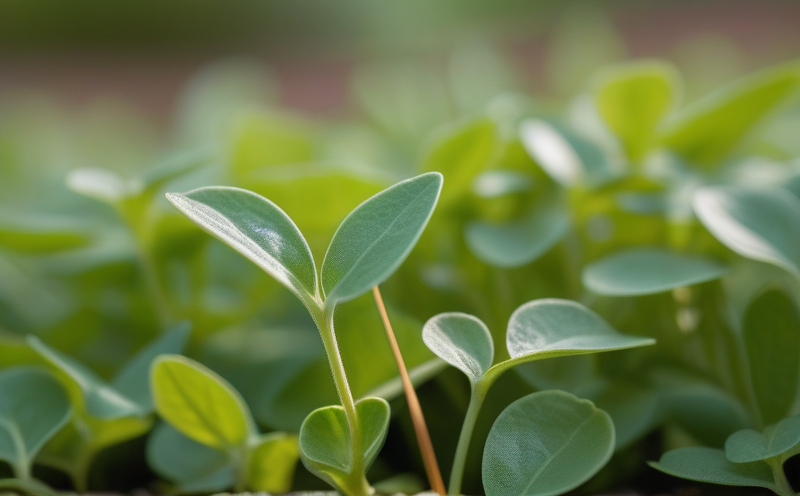
🍴 Edible Parts
🤝 Companions (6)
⚠️ Keep Apart (4)
💊 Medicinal Uses
Medicinal Properties
- Extremely high protein , 18g per cup cooked; one of the highest-protein legumes; staple protein source for 10,000+ years (Neolithic era)
- Exceptional fiber content , 16g per cup (primarily soluble); profoundly beneficial for heart health and cholesterol reduction
- Rich in iron , one cup provides 37% DV; critical for preventing anemia, especially in plant-based diets (pair with vitamin C for absorption)
- High in folate , one cup provides 90% DV; absolutely essential for fetal development and cell division
- Rich in manganese, phosphorus, potassium, and B vitamins (especially B1/thiamine and B6)
- Low glycemic index (25, 30) , stabilizes blood sugar and provides sustained energy; excellent for diabetic management
- Contains polyphenols and flavonoids with antioxidant, anti-inflammatory, and potential anti-cancer properties
- Prebiotic fiber , feeds beneficial gut bacteria, supporting microbiome health
- Traditional Ayurvedic medicine: considered astringent, used for digestive regulation and cooling properties
📝 Growing Notes
Lentils are one of humanity's OLDEST cultivated crops , found in Neolithic settlements dating to 8,000+ BCE in the Fertile Crescent. They are a cool-season legume , plant as early as soil can be worked (they tolerate light frost). Short season: 80, 110 days for dry lentils, 60, 70 days for fresh green lentils. Lentils are produced on a small, bushy plant , each plant yields only a few pods (low per-plant yield, which is why they're relatively expensive compared to other legumes). For the home gardener, they're worth growing for the experience and the incomparable flavor of fresh lentils (much sweeter and more nuanced than store-bought). Types: brown (most common, earthy), green/French/Puy (hold shape, peppery), red/yellow (split, cook quickly, used in dal), black/Beluga (caviar-like, hold shape, elegant). Harvest when lower pods turn brown and rattle , pull whole plants and hang to dry. Thresh by beating dried plants in a pillowcase. The lentil plant is a nitrogen-fixing workhorse for marginal soil improvement. Australia, Canada, and India are the world's largest producers. 'Lens' means 'lens' in Latin , named for the lens shape of the seeds.
🛒 Buy Seeds & Plants
Plot Buddies is reader-supported. When you buy through links on our site, we may earn an affiliate commission at no extra cost to you. This does not affect our plant recommendations. We only link to retailers we trust.