🥕 Melon (Cantaloupe/Honeydew/Muskmelon)

Cucumis melo
vegetables fruit (culinary, cucurbit)
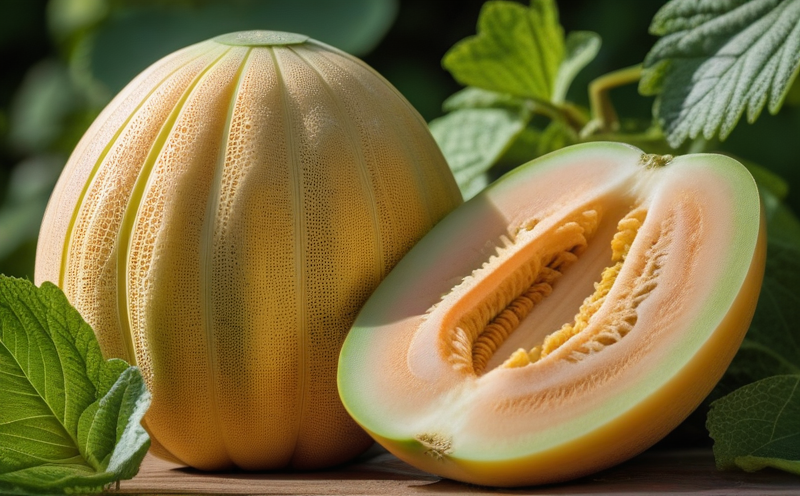
Illustration of Melon (Cantaloupe/Honeydew/Muskmelon)
☀️ Sun
Full sun (8+ hours) CRITICAL; melons need as much heat and sun as possible — anything less reduces sweetness and yield
💧 Water
Medium; 1–2 inches per week during vine growth; CRITICAL: reduce watering by half when fruits begin ripening (last 1–2 weeks) — this concentrates sugars and prevents bland/watery fruit; too much water during ripening = flavorless melons
🗺️ Zones
4, 5, 6, 7, 8, 9, 10, 11
🪴 Soil Type
Rich, well-drained, sandy loam with very high organic matter; melons are heavy feeders — incorporate 3–4 inches of compost and aged manure; phosphorus especially important for fruit development; soil temperature must be 70°F+ for planting
🧪 Soil pH
6.0–7.0 (slightly acidic to neutral)
💧 Drainage
Well-drained ESSENTIAL; melons HATE wet feet — raised beds or mounds/hills recommended; plastic mulch warms soil in short-season or cool climates
📏 Spacing
Hills: 2–3 plants per hill, hills 4–6 feet apart; rows: plants 18–24 inches apart, rows 4–6 feet; melons SPRAWL (6–10 feet) — give them room or trellis them
📅 Days to Maturity
75-100 days (from seed/transplant); 35-45 days from pollination to harvest

🍴 Edible Parts

🍽️ ["Fruit flesh (the sweet mesocarp \u2014 eaten fresh🍽️ in salads🍽️ smoothies)"🍽️ "Seeds (roasted and salted \u2014 popular snack in many cultures)"🍽️ "Rind (pickled or candied in some cuisines)"]

🤝 Companions (9)

Repels cucumber beetles, squash bugs, and whiteflies; trap crop for aphids; ground cover retains soil moisture; attracts pollinators
Repels nematodes and cucumber beetles; attracts beneficial predatory insects; general pest deterrent
🤝 Oregano/Thyme
Aromatic oils repel cucumber beetles and spider mites; low ground cover suppresses weeds
Repels cucumber beetles; quick crop harvested before melons sprawl; minimal space competition
Attracts hoverflies and predatory wasps that eat aphids and cucumber beetles; flowering dill brings pollinators
Beans fix nitrogen; early-season crop harvested before melons spread; different root depths
🤝 Lettuce/Spinach (early companion)
Spring greens grow and are harvested before melons need full space; melons' later growth provides summer shade for a second fall lettuce planting
Attracts pollinators; provides partial wind protection for young melon vines; don't plant too densely — sunflowers can shade excessively
🤝 Corn (traditional)
Traditional Native American intercropping — corn stalks provide slight windbreak; melons serve as living mulch in Three Sisters variation

⚠️ Keep Apart (4)

Potatoes may harbor diseases affecting cucurbits; potato harvesting disturbs melon roots; both heavy feeders
⚠️ Cucumber (too close)
Cross-pollinates with some melon varieties (if saving seed); shared pest profile concentrates cucumber beetles and powdery mildew
Sage may inhibit melon growth; conflicting aromatic interactions
Allelopathic — stunts melon growth

💊 Medicinal Uses

["High in vitamin A (beta-carotene \u2014 especially orange-fleshed cantaloupe) and vitamin C \u2014 one cup cantaloupe exceeds daily vitamin A and C needs", "Excellent source of potassium \u2014 supports blood pressure regulation and hydration", "Contains cucurbitacin E \u2014 anti-inflammatory compound (higher in bitter wild varieties)", "Good source of B vitamins, particularly folate; and the antioxidant beta-cryptoxanthin", "High water content (~90%) \u2014 hydrating; traditionally used in hot climates to prevent heat exhaustion"]

📝 Notes

Melons (Cucumis melo) include: cantaloupe/muskmelon (netted, orange flesh), honeydew (smooth, green flesh), Galia, Charentais, and many others. Watermelon is a DIFFERENT species (Citrullus lanatus). Melons need 80–100 warm days to maturity. Trellising saves space and produces cleaner fruit — support developing melons with slings (old pantyhose work perfectly). The 'slip' test for cantaloupe ripeness: gentle pressure on the stem — if it separates easily ('slips'), it's ripe. For honeydew, look for color change and slight softening at the blossom end. Powdery mildew is the #1 disease — choose resistant varieties; ensure good air circulation. Cucumber beetles spread bacterial wilt — use row covers until flowering.