🌿 Chamomile (German)
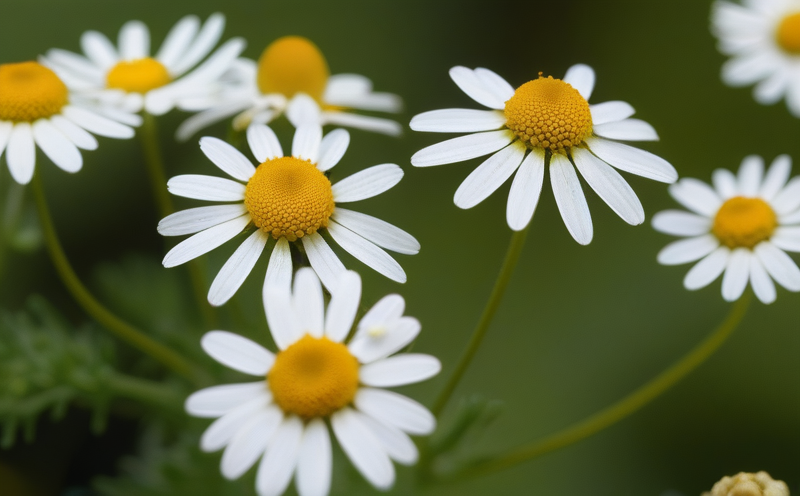
🍴 Edible Parts
🤝 Companions (7)
⚠️ Keep Apart (2)
💊 Medicinal Uses
Conditions Treated
Preparation Methods
- Calming tea: 2-3 tsp dried flowers steeped 10-15 min (covered to preserve volatile oils); 1-3 cups daily for anxiety/insomnia
- Sleep tea blend: Chamomile + lavender + lemon balm for enhanced sedative effect
- Skin compress: Strong chamomile infusion applied to eczema, rashes, burns, and wounds
- Eyewash: Well-strained, cooled chamomile tea for conjunctivitis and eye irritation
- Bath: Strong chamomile infusion added to bathwater for anxiety, skin conditions, or children's bedtime bath
- Tincture: 1:5 in 45% alcohol; 2-4ml 3x daily for anxiety or digestive issues
- Mouthwash: Strong infusion used as gargle for oral inflammation
- Sitz bath: Chamomile infusion for hemorrhoids and perineal healing
- Steam facial: Chamomile flowers in hot water for skin health
Active Compounds
⚠️ Safety
Generally very safe even for children and infants. Rare allergic reactions in people sensitive to Asteraceae family (ragweed, daisies, marigolds). May interact with blood thinners (coumarin content) and sedatives. Avoid medicinal doses in pregnancy (may stimulate uterine contractions). Do not use if allergic to ragweed.
📜 History & Folklore
🏛️ Ancient
Ancient Egyptians dedicated chamomile to the sun god Ra and used it for fevers. Greeks and Romans used it extensively , Dioscorides recommended it for 'female complaints' and fevers. Name 'chamomile' from Greek 'chamaimelon' (earth apple) for its apple-like scent.
🏰 Medieval
One of the nine sacred herbs of the Anglo-Saxons (Lacnunga, 10th c.). Used as a strewing herb and in 'May baths.' Monk's herb , grown in every monastery garden. 'The plant physician' , planted near ailing plants to revive them.
🌿 Folk Medicine
European 'mother of the gut' , the universal digestive remedy for all ages. German 'alles zutraut' (capable of anything) reflects its reputation as a cure-all. Peter Rabbit's mother gave him chamomile tea. Traditional teething remedy for centuries.
🛒 Buy Seeds & Plants
Plot Buddies is reader-supported. When you buy through links on our site, we may earn an affiliate commission at no extra cost to you. This does not affect our plant recommendations. We only link to retailers we trust.