🥦 Mustard Greens

Brassica juncea
vegetables brassica (leafy green, Asian/mustard family) Brassicaceae
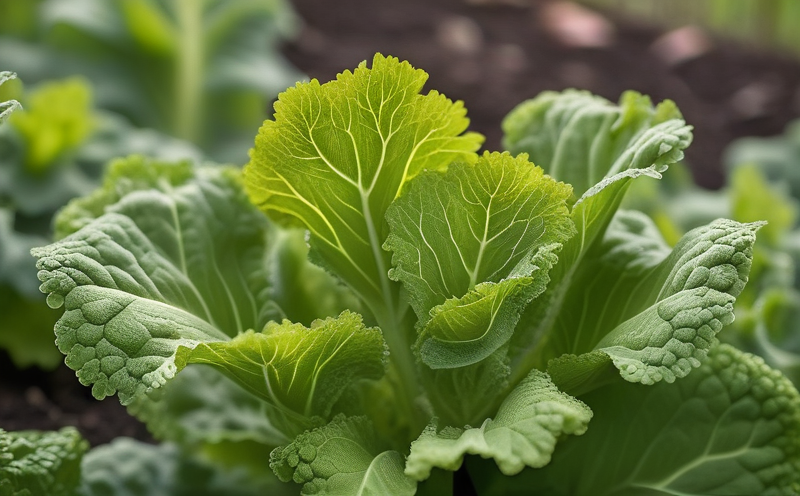
Mustard Greens plant photo
☀️ Sun
Full sun (6 hours) in cool weather; partial shade in warm weather to delay bolting; afternoon shade extends harvest season
💧 Water
Medium; 1 inch per week consistently; mustards bolt rapidly with drought stress; consistent moisture produces tender, less pungent leaves
🗺️ Zones
3, 4, 5, 6, 7, 8, 9, 10
🧪 Soil pH
6.0, 7.5 (slightly acidic to slightly alkaline)
🪴 Soil Type
Rich, well-drained loam with moderate organic matter; mustard greens are fast-growing and need readily available nutrients; incorporate compost; too much nitrogen produces overly hot/pungent leaves
🚿 Drainage
Well-drained; mustard greens tolerate a range of conditions but produce best in moist, well-drained soil
📏 Spacing
Baby greens: broadcast sow densely; full-size: 4, 6 inches apart, rows 12, 18 inches; for seed production: 12, 18 inches apart, rows 24 inches
📐 Height
18-36 in
⏱️ Maturity
30-50 days (from seed); baby greens at 21-30 days

🍴 Edible Parts

🍽️ Leaves (raw in salads when young, cooked when mature) 🍽️ Stems (tender stems cooked with leaves) 🍽️ Flower buds/stalks (edible , like broccoli raab) 🍽️ Seeds (the source of mustard condiment , ground seeds + liquid) 🍽️ Seed sprouts (popular as microgreens)
Key:🤝 Grows well together❌ Keep apart☀️ Sun needs💧 Water🗺️ Hardiness zone

🤝 Companions (13)

Aromatic herb that improves health of neighboring plants
Improves brassica flavor; antifungal properties; attracts beneficial insects
Attracts parasitic wasps and hoverflies that eat cabbage worms and aphids; improves growth; dill's aromatic compounds may deter flea beetles
Universal garden companion; deters pests and attracts beneficials
Repels flea beetles and cabbage moths; must be container-grown to prevent aggressive spreading
Excellent trap crop , flea beetles and aphids prefer nasturtiums over mustard greens IMPORTANT management caveat: without active management, nasturtiums can become a SOURCE of aphids that migrate to nearby crops. Either remove aphid-infested nasturtium plants promptly, or treat the trap crop itself to eliminate the aphid colony before it spreads. Strategic placement within 4-5 feet of protected crops is key.
Allium pest protection for mustard
Peas fix nitrogen; mustard and peas have complementary seasons , peas finish as mustard matures; different pest profiles
Aromatic oils repel flea beetles and cabbage moths; strong scent masks mustard's host-finding cues

⚠️ Keep Apart (10)

⚠️ Bean (pole/runner)
Brassica root exudates may inhibit bean growth; beans' nitrogen may cause mustard to bolt faster
Beet and mustard greens are incompatible , competing nutrients, shared disease risks, or allelopathic interference.
Allelopathic , severely inhibits mustard growth
Aggressive mint competes for resources
Brassicas and strawberries mutually inhibit growth
Sunflowers are allelopathic to many plants; keep separate from mustard greens
Brassica allelopathy may stunt tomato growth
Susceptible to juglone toxicity from walnut trees

💊 Medicinal Uses

Medicinal Properties

  • Contains glucosinolates (sinigrin) , hydrolyzed to allyl isothiocyanate, the pungent compound with potent anti-cancer, antimicrobial, and anti-inflammatory properties
  • Exceptionally high in vitamin K (1 cup = 600%+ daily value), vitamin A, and vitamin C
  • Traditional external remedy: mustard plasters for chest congestion, muscle aches, and arthritis (counterirritant , stimulates blood flow to area)
  • Contains sulforaphane , being studied for cancer prevention, especially bladder and colon cancers
  • Rich in folate, calcium, and manganese; supports bone health and metabolic function

📝 Growing Notes

Mustard greens are among the fastest vegetables , baby greens ready in 21 days, full-size in 40, 60 days. Extremely cold-hardy (tolerates light frost) and bolt-resistant compared to other leafy greens. Varieties range from mild ('Mizuna', 'Tatsoi' , B. rapa) to hot/pungent ('Southern Giant Curled', 'Red Giant', 'Wasabina'). Heat intensifies pungency , spring/fall crops are milder. Flea beetles LOVE mustard greens , they can riddle leaves with holes within days; floating row covers are the best organic control. Mustard greens can also be grown as a biofumigant cover crop , their glucosinolates suppress soil-borne pathogens and nematodes when chopped and incorporated (green manure). Self-seeds prolifically if allowed to flower. Volunteer mustard plants are common in gardens that grew them previously.

🛒 Buy Seeds & Plants

Plot Buddies is reader-supported. When you buy through links on our site, we may earn an affiliate commission at no extra cost to you. This does not affect our plant recommendations. We only link to retailers we trust.