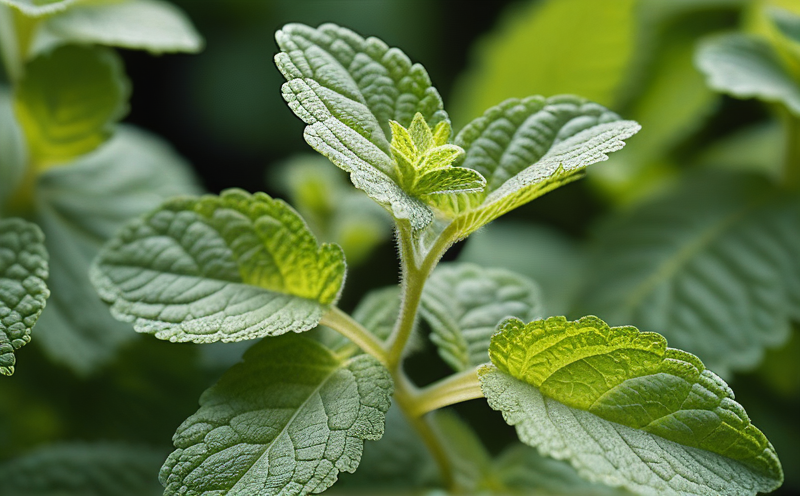
🌿 Lemon Balm

Melissa officinalis
herbs Perennial herb Lamiaceae
Lemon Balm plant photo
☀️ Sun
Full sun to partial shade; afternoon shade in hot climates preserves essential oils.
💧 Water
Moderate; somewhat drought-tolerant. Keep slightly moist.
🗺️ Zones
USDA zones 3-9 (dies back in winter, returns in spring)
🧪 Soil pH
6.0-7.5 (tolerates wide range; prefers well-drained, moist soil)
🪴 Soil Type
Well-draining, moderately rich; pH 6.0-7.5. Tolerates poor soil.
🚿 Drainage
Well-drained
📏 Spacing
18-24 inches
📐 Height
18-24 inches
⏱️ Maturity
Harvest any time; cut back to 6 inches for regrowth

🍴 Edible Parts

🍽️ Leaves (best fresh , flavor fades quickly when dried) 🍽️ Flowers
Key:🤝 Grows well together❌ Keep apart☀️ Sun needs💧 Water🗺️ Hardiness zone

🤝 Companions (13)

Aromatic herb that improves health of neighboring plants
Strong lemony scent masks brassicas from pests.
🤝 Fruit Trees
Bee magnet for better fruit set in orchard
Universal garden companion; deters pests and attracts beneficials
Trap crop and ground cover; attracts pollinators IMPORTANT management caveat: without active management, nasturtiums can become a SOURCE of aphids that migrate to nearby crops. Either remove aphid-infested nasturtium plants promptly, or treat the trap crop itself to eliminate the aphid colony before it spreads. Strategic placement within 4-5 feet of protected crops is key.
Attracts pollinators; repels some rose pests.
Repels squash bugs and other pests.
Lemon balm improves tomato flavor and repels pests

⚠️ Keep Apart (7)

Allelopathic - may inhibit growth
Both aggressive spreaders - contain separately
⚠️ Slow-growing herbs
Lemon balm can become weedy. Control spread.
Susceptible to juglone toxicity from walnut trees

💊 Medicinal Uses

Conditions Treated

💊 Anxiety, stress, and nervous tension (nervine relaxant , one of the best herbal anxiolytics) 💊 Insomnia (mild sedative; especially combined with valerian) 💊 Depression (mood-lifting; 'gladdening the heart' , traditional use) 💊 Hyperthyroidism and Graves' disease (inhibits TSH binding , evidence-supported) 💊 Cold sores and herpes outbreaks (topical; rosmarinic acid is antiviral against HSV) 💊 Digestive issues with nervous component (IBS, 'nervous stomach') 💊 ADHD and restlessness in children (calming without sedation) 💊 Cognitive function and memory (combined with other herbs) 💊 Menstrual cramps and PMS with anxiety 💊 Insect bites (topical antihistamine effect)

Preparation Methods

  • Fresh lemon balm tea: 2-3 tsp fresh leaves steeped 10 min (dried loses potency quickly); for anxiety and insomnia
  • Cold sore balm: Strong lemon balm infusion or cream applied at first tingle; 3-4x daily
  • Thyroid tincture: 1:5 in 45% alcohol; 2-4ml 3x daily for hyperthyroidism (under professional guidance)
  • Lemon balm glycerite: 1:3 fresh leaves in glycerin; excellent for children's anxiety/restlessness
  • Lemon balm honey: Fresh leaves infused in honey for cough, anxiety, and as a children's remedy
  • Bath: Generous handful of fresh lemon balm in bathwater for anxiety and tension
  • Cordial/wine: Lemon balm in white wine as a 'heart's delight' tonic (traditional Carmelite Water)

Active Compounds

⚗️ Rosmarinic acid ⚗️ Citronellal ⚗️ Geranial ⚗️ Neral ⚗️ Oleanolic acid ⚗️ Eugenol

⚠️ Safety

Generally very safe. May interact with thyroid medications (TSH suppression) , avoid if hypothyroid on replacement therapy, or use with monitoring. May interact with sedatives and alcohol (additive effect). Safe for children. Safe during pregnancy in tea amounts. Essential oil should be diluted.

📝 Growing Notes

Wonderful lemon-scented herb. Calming nervine tea. Bees worship it (Melissa means 'bee' in Greek). Contains mint family - spreader.

📜 History & Folklore

🏛️ Ancient

Ancient Greek 'Melissophyllon' (bee leaf) , planted near beehives. Dioscorides used it for scorpion stings, toothache, and 'female complaints.' Avicenna recommended it to 'make the heart merry.'

🏰 Medieval

Key ingredient in 'Carmelite Water' , a 14th-century cordial made by Carmelite nuns for 'nervous headaches,' melancholy, and 'lengthening life.' Charlemagne ordered lemon balm planted in every monastery garden. Used to 'drive away melancholy and care.'

🌿 Folk Medicine

European 'gladdening herb' , used for melancholy, 'vapours,' and nervous complaints. Given to students for exam anxiety. Used as a gentle children's sedative. In Appalachian folk medicine, lemon balm tea is given for 'nervous stomach' and fevers.

🛒 Buy Seeds & Plants

Plot Buddies is reader-supported. When you buy through links on our site, we may earn an affiliate commission at no extra cost to you. This does not affect our plant recommendations. We only link to retailers we trust.