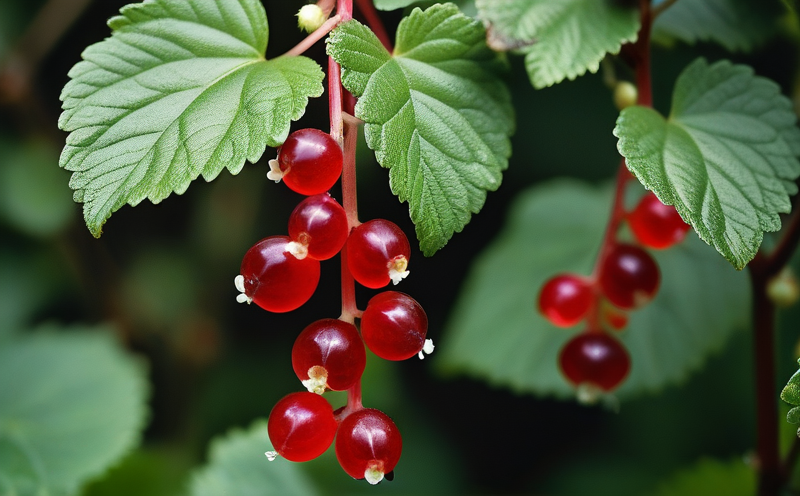
🍎 Currant (Red, Black, White)
Ribes rubrum / R. nigrum
fruits
perennial bush
☀️ Sun
full sun to partial shade
💧 Water
consistent moisture; mulch helps retain; tolerate wetter than most fruit
🗺️ Zones
3, 8
🧪 Soil pH
5.5, 7.0 (slightly acidic)
🪴 Soil Type
well-drained loam, high organic matter
📏 Spacing
3-5 ft apart, 6-8 ft between rows (bush)
⏱️ Maturity
2-3 years (from planting); bears fruit the year after planting
🍴 Edible Parts
🍽️ Fruit
Key:🤝 Grows well together❌ Keep apart☀️ Sun needs💧 Water🗺️ Hardiness zone
🤝 Companions (8)
Nitrogen fixer; groundcover between bushes
Attracts beneficial insects and pollinators
Repel aphids (currant blister aphid); antifungal for leaf spot diseases
Nitrogen fixer; tall flowers attract pollinators for currant bloom
General pest repellent; nematode suppression
Aphid trap crop; protects currant bushes from heavy aphid infestations IMPORTANT management caveat: without active management, nasturtiums can become a SOURCE of aphids that migrate to nearby crops. Either remove aphid-infested nasturtium plants promptly, or treat the trap crop itself to eliminate the aphid colony before it spreads. Strategic placement within 4-5 feet of protected crops is key.
Repels currant borer and currant worm; traditional companion; plant at bush edges
Attracts predatory insects; tolerates partial shade under bushes
⚠️ Keep Apart (3)
⚠️ Conifers (generally)
Rust disease cross-infection risk with some Ribes species
Juglone sensitivity
⚠️ White pine trees
Currants are alternate host for white pine blister rust (Cronartium ribicola); planting restrictions in many states , check local regulations
🛒 Buy Seeds & Plants
Baker Creek Heirloom Seeds
Johnny's Selected Seeds
Botanical Interests
True Leaf Market
Burpee
Territorial Seed Company
Plot Buddies is reader-supported. When you buy through links on our site, we may earn an affiliate commission at no extra cost to you. This does not affect our plant recommendations. We only link to retailers we trust.