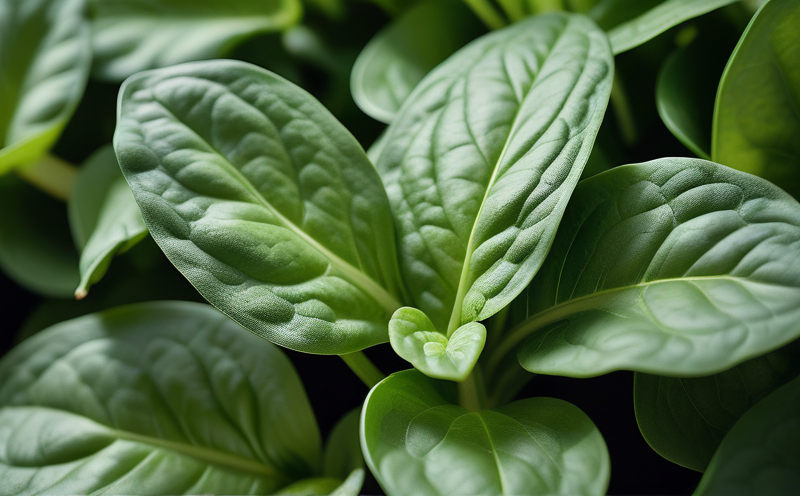
🥬 Spinach

Spinacia oleracea
vegetables leafy green
Spinach plant photo
☀️ Sun
Full sun in cool weather; partial shade in warm weather; 3, 6 hours sufficient in summer
💧 Water
Medium, high; 1, 1.5 inches per week; consistent moisture for tender, non-bitter leaves; mulch to keep soil cool
🗺️ Zones
2, 3, 4, 5, 6, 7, 8, 9
🧪 Soil pH
6.5, 7.5 (neutral to slightly alkaline , spinach prefers more alkaline soil than most vegetables)
🪴 Soil Type
Rich, well-drained loam with very high organic matter; spinach is a heavy feeder for a leafy green
🚿 Drainage
Moisture-retentive but well-drained; spinach is particularly sensitive to acidic, poorly-drained soils
📏 Spacing
Seeds 4, 6 inches apart; rows 12, 18 inches; thin to 4, 6 inches; closer spacing for baby spinach
⏱️ Maturity
37-50 days (from seed); baby spinach at 21-30 days

🍴 Edible Parts

🍽️ Leaves 🍽️ Stems (edible when young) 🍽️ Roots (edible but rarely used)
Key:🤝 Grows well together❌ Keep apart☀️ Sun needs💧 Water🗺️ Hardiness zone

🤝 Companions (10)

Beans fix nitrogen; beans provide some shade as weather warms; spinach is harvested before beans need full space
Bok choy provides cooling shade for spinach; both are cool-season leafy greens.
Caraway attracts beneficial insects that protect spinach; its deep roots improve soil structure.
Cilantro repels aphids and spider mites from spinach; both thrive in cool weather.
Fenugreek fixes nitrogen for spinach; both are quick-growing cool-season crops.
Peas fix nitrogen for spinach; peas' vertical growth doesn't shade low-growing spinach.
Trap crop for aphids; repels leaf miners IMPORTANT management caveat: without active management, nasturtiums can become a SOURCE of aphids that migrate to nearby crops. Either remove aphid-infested nasturtium plants promptly, or treat the trap crop itself to eliminate the aphid colony before it spreads. Strategic placement within 4-5 feet of protected crops is key.
Radishes mark rows; repel leaf miners; harvested before spinach matures
Spinach grows well between strawberries; strawberries shade spinach in heat; spinach acts as ground cover

⚠️ Keep Apart (2)

Allelopathic
Potatoes may stunt spinach growth; heavy feeding competition; potatoes shade out low-growing spinach

💊 Medicinal Uses

Medicinal Properties

  • Exceptionally high in iron (though oxalates reduce absorption , eat with vitamin C to improve uptake)
  • Very high in vitamin K, vitamin A, folate, and manganese
  • Contains lutein and zeaxanthin for eye health; nitrates that may improve athletic performance
  • Contains glycoglycerolipids , may protect intestinal lining from inflammation
  • Traditional 'strength-giving' food; Popeye's association had some nutritional basis!

📝 Growing Notes

Spinach is THE most cold-hardy leafy green , can survive temperatures down to 15, 20°F. Bolts quickly in heat and long days (it's day-length sensitive). Three types: Savoy (crinkled, most cold-hardy), Semi-savoy (partially crinkled, easier to clean), Flat/smooth leaf (easiest to clean, preferred for processing). Plant in very early spring or late summer for fall harvest. Spinach is notoriously difficult to grow in warm climates , use heat-tolerant substitutes like Malabar spinach (Basella alba, not true spinach) or New Zealand spinach (Tetragonia).

🛒 Buy Seeds & Plants

Plot Buddies is reader-supported. When you buy through links on our site, we may earn an affiliate commission at no extra cost to you. This does not affect our plant recommendations. We only link to retailers we trust.