🌿 Caraway
Carum carvi
herbs
biennial herb
Apiaceae
☀️ Sun
full sun
💧 Water
moderate (consistent moisture during first year)
🗺️ Zones
4, 10
🧪 Soil pH
6.0, 7.0
🪴 Soil Type
well-drained, moderately fertile loam; tolerates heavier soils
🚿 Drainage
well-drained
📏 Spacing
8, 12 inches
📐 Height
12, 30 inches
⏱️ Maturity
420, 450 days (biennial , leaves first year, flowers/seeds second year)
Key:🤝 Grows well together❌ Keep apart☀️ Sun needs💧 Water🗺️ Hardiness zone
🤝 Companions (8)
Aromatic companion improves vigor
Caraway's deep roots break up soil, benefiting beet root development; caraway attracts beneficial wasps that control beet pests.
Caraway deters cabbage moths with its aromatic compounds; both are cool-season crops sharing spring/fall growing windows.
Caraway's tall second-year growth provides beneficial shade to lettuce, delaying bolt in warm weather.
Universal companion
Caraway's deep taproot aerates soil for pea roots; peas fix nitrogen that caraway needs for seed production in its second year.
Caraway enriches topsoil with minerals from subsoil that spinach uses; spinach benefits from caraway's light shade in warm weather.
Caraway improves strawberry growth and flavor; its fine foliage doesn't shade low-growing strawberry plants.
⚠️ Keep Apart (4)
Both are biennial umbellifers attracting the same pests (carrot flies, parsley worms); planting together doubles pest pressure.
Caraway and dill cross-pollinate, producing hybrid seeds with degraded flavor in both; must be separated by at least 100 feet.
Fennel is allelopathic to caraway and will stunt its growth; cross-pollination ruins caraway's essential oil profile.
Juglone sensitive
📝 Growing Notes
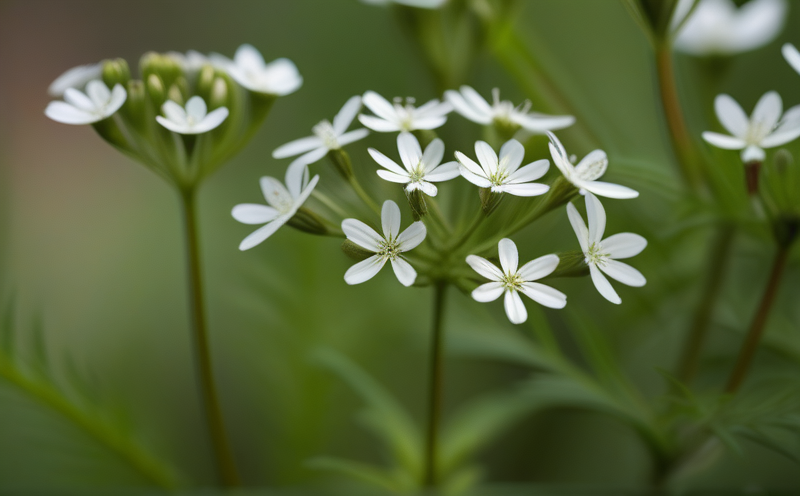
Biennial , forms a carrot-like taproot and ferny leaves the first year, then flowers and sets seed the second. Self-seeds readily if seeds are left to drop. Attracts beneficial insects including parasitic wasps and hoverflies. Do NOT plant near fennel (cross-pollinates, ruining both flavors) or dill (cross-pollinates). Seeds must be harvested when brown but before they shatter. Young first-year taproot is edible and tastes like parsnip-celery.
🛒 Buy Seeds & Plants
Baker Creek Heirloom Seeds
Johnny's Selected Seeds
Botanical Interests
True Leaf Market
Burpee
Territorial Seed Company
Plot Buddies is reader-supported. When you buy through links on our site, we may earn an affiliate commission at no extra cost to you. This does not affect our plant recommendations. We only link to retailers we trust.