🥦 Parsnip

Pastinaca sativa
vegetables root vegetable (apiaceae/umbellifer) Apiaceae
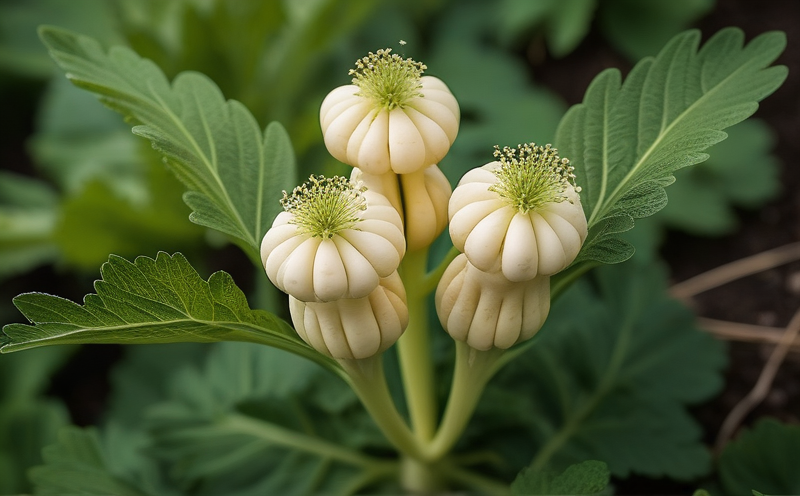
Parsnip plant photo
☀️ Sun
Full sun (6, 8 hours); tolerates light partial shade
💧 Water
Medium; 1 inch per week; deep, infrequent watering encourages deep taproot development; consistent moisture for germination (parsnips are very slow to germinate , keep soil moist for 3 weeks)
🗺️ Zones
3, 4, 5, 6, 7, 8, 9
🧪 Soil pH
6.0, 7.0 (slightly acidic to neutral)
🪴 Soil Type
Deep (12+ inches), loose, sandy loam absolutely free of stones and clods , rocks cause forked/deformed parsnips; well-rotted organic matter but NO fresh manure (causes forking); parsnips need deep, uncompacted soil for long taproots (can reach 18+ inches)
🚿 Drainage
Well-drained essential; raised beds ideal for parsnip root development
📏 Spacing
Seeds 2 inches apart (expect poor germination), thin to 3, 6 inches; rows 12, 18 inches; sow thicker than needed , germination rates are notoriously low (50, 60%)
📐 Height
18-36 in
⏱️ Maturity
100-130 days (from seed); harvest after frost for sweetest flavor

🍴 Edible Parts

🍽️ Root (taproot , sweetest after frost; roasted, mashed, soups, chips) 🍽️ Leaves (caution: parsnip leaves/sap contain furanocoumarins that cause phytophotodermatitis , severe skin burns in sunlight; handle with gloves on sunny days) 🍽️ Flowering stems (young flower stalks can be cooked like asparagus)
Key:🤝 Grows well together❌ Keep apart☀️ Sun needs💧 Water🗺️ Hardiness zone

🤝 Companions (13)

Aromatic herb that improves health of neighboring plants
Beans fix nitrogen; harvested mid-summer, leaving parsnips to mature into fall; different root zones
Lettuce grows in parsnips' partial shade; shallow roots vs. deep parsnip taproot; short-season crop harvested long before parsnips mature
Universal garden companion; deters pests and attracts beneficials
Trap crop and ground cover; attracts pollinators IMPORTANT management caveat: without active management, nasturtiums can become a SOURCE of aphids that migrate to nearby crops. Either remove aphid-infested nasturtium plants promptly, or treat the trap crop itself to eliminate the aphid colony before it spreads. Strategic placement within 4-5 feet of protected crops is key.
Allium scent confuses carrot/parsnip pests
Peas fix nitrogen to support parsnip's long-season growth; different root depths; peas are harvested before parsnips need full space
Radishes mark rows for very slow-germinating parsnips (21, 28 days); radishes break surface crust; harvested in 30 days, long before parsnips need space
Aromatic oils repel carrot rust fly and other pests; strong scent masks Apiaceae host-finding by pests

⚠️ Keep Apart (8)

Both Apiaceae share carrot rust fly , planting together concentrates pest problems; parsnip webworm attacks both
Same Apiaceae pest profile , carrot rust fly, celery fly, and aphids concentrate on related plants
Same family (Apiaceae) , cross-pollination risk if both flower (biennial parsnips flower year 2); may attract same pests; dill may stunt parsnip growth
Allelopathic , severely inhibits parsnip growth; same family increases pest risk
Aggressive mint competes for resources
Susceptible to juglone toxicity from walnut trees

💊 Medicinal Uses

Medicinal Properties

  • Exceptionally high in soluble and insoluble fiber , a single parsnip provides significant daily fiber needs
  • Rich in vitamin C (cold converts starches to sugars, concentrating nutrients), folate, and manganese
  • Contains falcarinol , a polyacetylene compound being studied for anti-cancer and anti-inflammatory properties
  • Good source of potassium (blood pressure regulation) and vitamin K
  • Traditional diuretic; used in herbal medicine for kidney and bladder health

📝 Growing Notes

Parsnips have the longest growing season of any common vegetable (110, 130 days). Critical: MUST use fresh seed each year , parsnip seeds lose viability after 1 year (unlike most vegetables). Germination is slow (21, 28 days) and erratic , keep soil consistently moist. The radish interplant trick (same as carrots) helps mark rows. Flavor REQUIRES frost , cold converts starches to sugars, making parsnips sweet and nutty. Harvest after several hard frosts for best flavor; can overwinter in ground with heavy mulch in Zone 4+. WARNING: Parsnip foliage contains furanocoumarins , skin contact + sunlight causes severe blistering burns (phytophotodermatitis). Always wear gloves and long sleeves when working around parsnip foliage.

🛒 Buy Seeds & Plants

Plot Buddies is reader-supported. When you buy through links on our site, we may earn an affiliate commission at no extra cost to you. This does not affect our plant recommendations. We only link to retailers we trust.