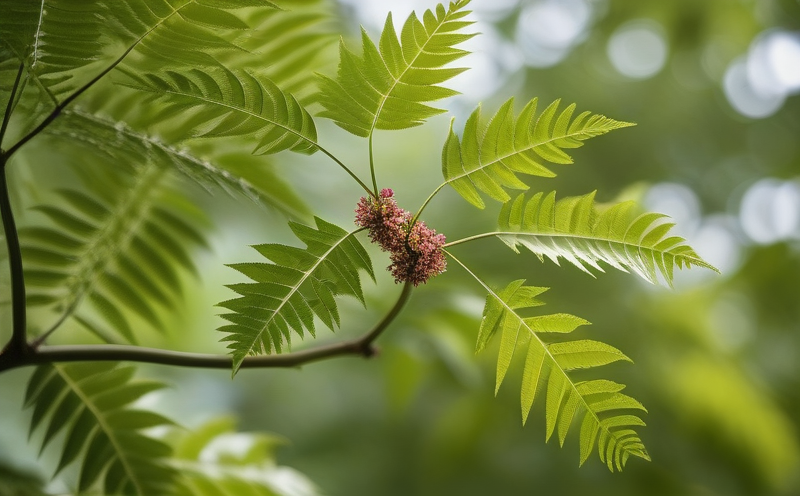
🌺 Neem Tree

Azadirachta indica
exotics tree Meliaceae
Neem Tree plant photo
☀️ Sun
full sun
💧 Water
low (extremely drought-tolerant)
🗺️ Zones
9-12
🧪 Soil pH
6.0-7.5
🪴 Soil Type
sandy, loamy, tolerates poor soils
🚿 Drainage
well-drained
📏 Spacing
20-30 feet
📐 Height
50-65 feet (can reach 100 feet)
⏱️ Maturity
1095-1825 days (3-5 years to first significant seed production)
Key:🤝 Grows well together❌ Keep apart☀️ Sun needs💧 Water🗺️ Hardiness zone

🤝 Companions (9)

Neem leaf mulch and neem cake suppress soil-borne pathogens and nematodes that affect avocado; provides organic pest management in orchards.
Neem leaf mulch suppresses banana nematodes and soil-borne pathogens; neem cake is traditionally used as organic fertilizer for bananas
🤝 Citrus Tree (General)
Neem-based products are widely used in organic citrus production; neem trees near citrus orchards provide a source of pest-management materials.
Neem and coconut are traditional companions in Indian agroforestry; neem cake is a preferred organic fertilizer for coconut palms.
Neem leaf extracts help manage guava pests and diseases; neem trees can be integrated into guava orchard boundaries.
Neem trees can be planted as windbreaks around mango orchards; neem cake fertilizer benefits mango tree health and fruit quality.
Attracts beneficial insects and pollinators
Neem leaf mulch helps suppress nematodes that attack papaya roots; neem cake is used as organic fertilizer for papaya.
Pigeon pea fixes nitrogen to support neem growth; neem's natural pest repellency protects pigeon pea from pod borers and other pests

⚠️ Keep Apart (3)

Fresh neem mulch incorporated into soil may temporarily inhibit nitrogen-fixing bacteria that beans depend on
High concentrations of neem compounds in soil can inhibit seed germination and seedling growth in cucurbits
Neem leaf litter and root exudates can mildly suppress tomato growth; close proximity may reduce yields

📝 Growing Notes

Neem is a fast-growing evergreen tree in the mahogany family that thrives in tropical and subtropical regions. It can survive where few other trees can , tolerating extreme heat (up to 120°F), drought, and poor soils. Neem's deep taproot makes it valuable for soil stabilization and desert reclamation. The tree is the source of neem oil, one of the most widely used botanical pesticides , azadirachtin disrupts insect feeding, growth, and reproduction without killing beneficial insects. However, its potent biochemistry means leaf litter and root exudates can affect nearby plants , it has mild allelopathic properties. Neem trees produce fragrant white flowers that are an important bee forage source.

🛒 Buy Seeds & Plants

Plot Buddies is reader-supported. When you buy through links on our site, we may earn an affiliate commission at no extra cost to you. This does not affect our plant recommendations. We only link to retailers we trust.