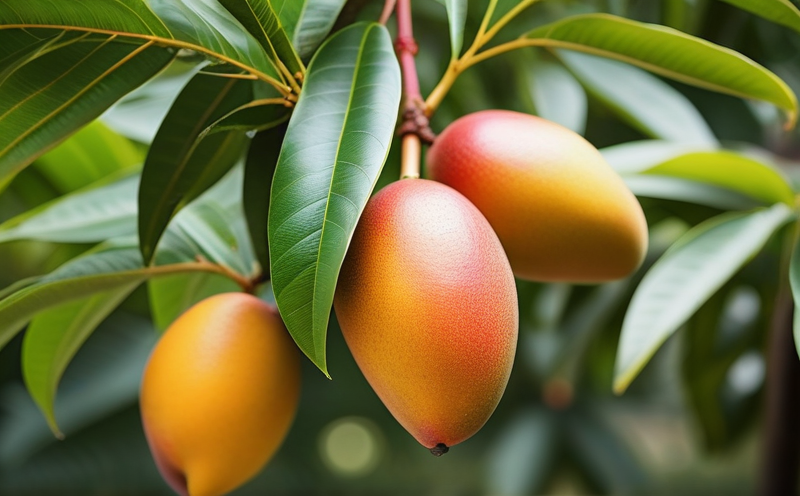
🍎 Mango
🍴 Edible Parts
🤝 Companions (11)
⚠️ Keep Apart (3)
💊 Medicinal Uses
Mango fruit is exceptionally rich in vitamin C, vitamin A (beta-carotene), and polyphenols including mangiferin, a unique bioactive compound with antidiabetic, anticancer, anti-inflammatory, and immunomodulatory properties. The fruit supports eye health, immune function, and digestion. Mango leaves are used in Ayurvedic medicine for diabetes, with compounds that help regulate insulin levels and improve lipid profiles. The bark has astringent properties used for diarrhea and dysentery. Mango kernel extract has antimicrobial and antioxidant properties. Unripe mango is rich in pectin and vitamin C.
📜 History & Traditional Uses
Mango originated in South Asia over 4,000 years ago and is considered the 'king of fruits' in India, where it holds deep cultural and religious significance appearing in ancient Sanskrit texts and Buddhist legends. Mango groves were planted by Indian rulers as symbols of power, and the fruit was gifted as diplomatic currency along the Silk Road. Persian traders spread mangoes to East Africa, Portuguese explorers brought them to Brazil and West Africa in the 16th century, and Spanish traders introduced them to the Philippines and Mexico. Today, India produces over 40% of the world's mangoes, and there are over 1,000 cultivars worldwide.
📝 Notes
Mango is an evergreen tropical tree in the same family as cashews and poison ivy — some people are sensitive to the sap in the skin. The fruit takes 3-6 months to mature after flowering. Mango trees need a pronounced dry season to trigger flowering and fruit production. They are deep-rooted with a long taproot, making them quite drought-tolerant once established. Dwarf and semi-dwarf varieties are available for home gardens and container growing. Mango trees produce polyembryonic or monoembryonic seeds — polyembryonic types grow true from seed. The tree can live and fruit for over 300 years.