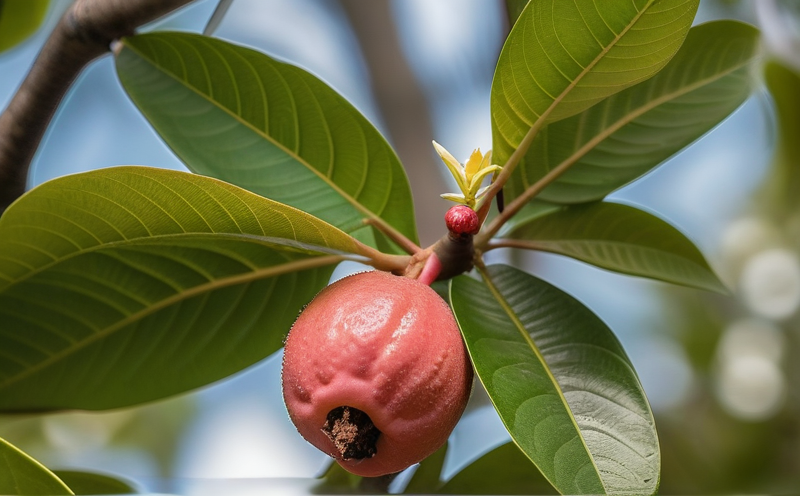
🍎 Guava
🍴 Edible Parts
🤝 Companions (9)
⚠️ Keep Apart (3)
💊 Medicinal Uses
Guava is exceptionally rich in vitamin C — one fruit provides more than four times the daily requirement — along with high levels of dietary fiber, vitamin A, folate, potassium, and lycopene (especially pink-fleshed varieties). Guava leaf tea is a traditional remedy for diarrhea and gastroenteritis, with clinical studies confirming its antidiarrheal and antimicrobial properties. The leaves contain quercetin and other flavonoids with blood sugar-lowering effects beneficial for diabetes management. Guava leaf extract has shown antibacterial activity against Staphylococcus aureus and E. coli. The fruit's high pectin content supports digestive health and cholesterol reduction.
📜 History & Traditional Uses
Guava originated in the tropical Americas, ranging from Mexico through Central America to Peru. Indigenous peoples cultivated guava for millennia before European contact. Spanish and Portuguese colonizers spread guava throughout the tropics in the 16th-17th centuries, and it became widely naturalized across Southeast Asia, India, Africa, and the Pacific Islands. In many regions, guava became so thoroughly naturalized that it is now considered indigenous. In Ayurvedic medicine, guava leaves are used for digestive disorders. The fruit is consumed fresh, juiced, and processed into jams, jellies, and pastes (such as the Latin American guayabate and Brazilian goiabada).
📝 Notes
Guava is one of the hardiest tropical fruit trees, tolerating poor soils, brief frost, and drought conditions that would kill other tropicals. It is a vigorous grower and can become invasive in tropical and subtropical regions — in Hawaii and Florida it is classified as an invasive species. Guava flowers are white, fragrant, and pollinated primarily by honeybees. The fruit varies from round to pear-shaped with white, yellow, pink, or red flesh depending on variety. Guava produces fruit year-round in tropical climates. The tree can be pruned heavily and responds well to container growing. It is highly attractive to fruit flies, which can be a significant pest issue.