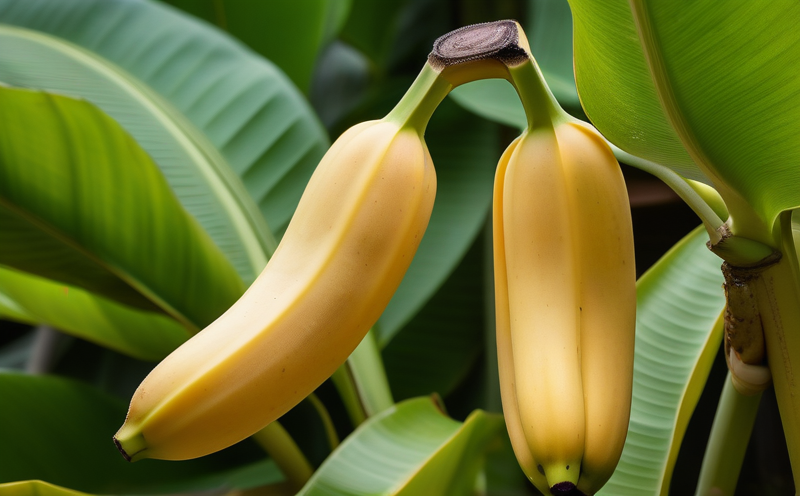
🍎 Banana
Musa spp.
fruits
herbaceous perennial (largest herb)
☀️ Sun
full sun
💧 Water
consistently moist; heavy feeder requiring abundant water
🗺️ Zones
8, 11 (cold-hardy varieties to zone 7 with protection)
🧪 Soil pH
5.5, 7.5
🪴 Soil Type
rich loam, very high organic matter
📏 Spacing
8-12 ft apart (clumping; mat spacing 10x10 ft)
⏱️ Maturity
9-18 months (from planting sucker); 12-20 months for fruit to mature after flowering
🍴 Edible Parts
🍽️ Fruit
Key:🤝 Grows well together❌ Keep apart☀️ Sun needs💧 Water🗺️ Hardiness zone
🤝 Companions (8)
Nitrogen-fixing groundcover; suppresses weeds
Understory crop in banana shade; complementary market crops; traditional agroforestry
Potassium-rich mulch , bananas are extremely potassium-hungry; chop-and-drop feeds mat
Nematode suppression , bananas highly susceptible to burrowing nematode
Aphid trap for banana aphid (vector of bunchy top virus)
Nitrogen-fixing shrub; windbreak protecting banana leaves; biomass production
Living groundcover under banana canopy; suppresses weeds; tolerates shade; complementary root depths
Shares moist soil conditions; grows in banana understory; traditional Pacific Islands polyculture
⚠️ Keep Apart (4)
⚠️ Aggressive vines
Can climb and overwhelm banana pseudostems
Allelopathic; extreme water competition
⚠️ Other Musa (too dense)
Overcrowding leads to poor air circulation, increased sigatoka disease, reduced yield , maintain 8, 10 ft spacing
Juglone sensitivity
🛒 Buy Seeds & Plants
Baker Creek Heirloom Seeds
Johnny's Selected Seeds
Botanical Interests
True Leaf Market
Burpee
Territorial Seed Company
Plot Buddies is reader-supported. When you buy through links on our site, we may earn an affiliate commission at no extra cost to you. This does not affect our plant recommendations. We only link to retailers we trust.