🌾 Millet

Panicum miliaceum (proso), Pennisetum glaucum (pearl), Setaria italica (foxtail), Eleusine coracana (finger)
grains annual Poaceae
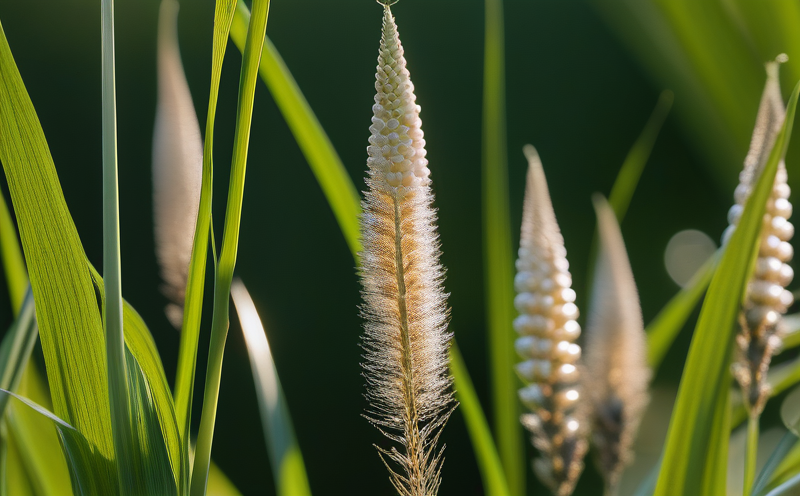
Millet plant photo
☀️ Sun
full sun
💧 Water
low (extremely drought-tolerant)
🗺️ Zones
2-11 (as annual)
🧪 Soil pH
5.5-7.5
🪴 Soil Type
sandy, loamy, tolerates poor soils
🚿 Drainage
well-drained
📏 Spacing
4-8 inches (broadcast or row-planted)
📐 Height
2-15 feet (depending on species)
⏱️ Maturity
60-120 days (depending on species)
Key:🤝 Grows well together❌ Keep apart☀️ Sun needs💧 Water🗺️ Hardiness zone

🤝 Companions (11)

Beans fix nitrogen for millet
🤝 Castor Bean
Castor bean's tall growth provides wind protection for millet in exposed fields; deep roots access different soil layers and deter some pests.
Cowpeas fix nitrogen for millet while their vines suppress weeds; this traditional African intercropping system increases total land productivity
🤝 Lablab (Hyacinth Bean)
Lablab is a drought-tolerant nitrogen-fixing legume that can climb millet stalks; this traditional African system maximizes land use.
🤝 Mung Bean
Mung beans are short-season nitrogen fixers maturing before millet reaches full height; improve soil fertility without competing for harvest window.
Okra's upright growth and deep root system complement millet's shallower roots; both are heat-loving summer intercrop partners.
Peanuts fix nitrogen and their pegging habit creates living mulch under millet; excellent intercrop partners in dryland systems using different soil depths.
Pigeon pea's deep taproot accesses water and nutrients below millet's root zone; it provides long-term nitrogen fixation and wind protection
Sesame's deep taproot mines nutrients below millet's root zone; upright growth doesn't shade millet and both thrive in hot, dry conditions.
Millet and sorghum share similar drought tolerance and complement each other , sorghum provides wind protection, millet covers the ground faster
🤝 Sunn Hemp
Attracts beneficial insects and pollinators

⚠️ Keep Apart (6)

⚠️ Bermuda Grass
Bermuda grass is an aggressive perennial weed in millet fields; competes intensely for moisture and nutrients and is extremely difficult to eradicate.
Both are grass family crops susceptible to the same stem borers and fungal diseases; planting together increases pest pressure dramatically.
Eucalyptus extracts soil moisture rapidly and releases allelopathic oils that inhibit millet growth and grain formation
Sunflowers are aggressive competitors for moisture and nutrients; their root exudates can inhibit millet seedling establishment
Juglone inhibits millet seed germination and seedling growth, causing stunting and reduced yields
Millet and wheat share fungal pathogens including rusts and smuts; cross-contamination risk makes close proximity inadvisable.

📝 Growing Notes

Millets are a diverse group of small-seeded C4 grasses, not a single species. They are among the most drought-tolerant crops on Earth, requiring as little as 10-12 inches of rainfall. Pearl millet is the most widely grown, especially in Africa and India. Proso millet has the shortest growing season (60-90 days) of any grain crop. Finger millet stores exceptionally well , grains can remain viable and pest-free for over 10 years without chemical treatment. Millets are naturally gluten-free and are undergoing a resurgence in Western markets as nutritious 'ancient grains.' They are often grown as emergency or catch crops when primary crops fail due to drought.

🛒 Buy Seeds & Plants

Plot Buddies is reader-supported. When you buy through links on our site, we may earn an affiliate commission at no extra cost to you. This does not affect our plant recommendations. We only link to retailers we trust.