🥦 Okra
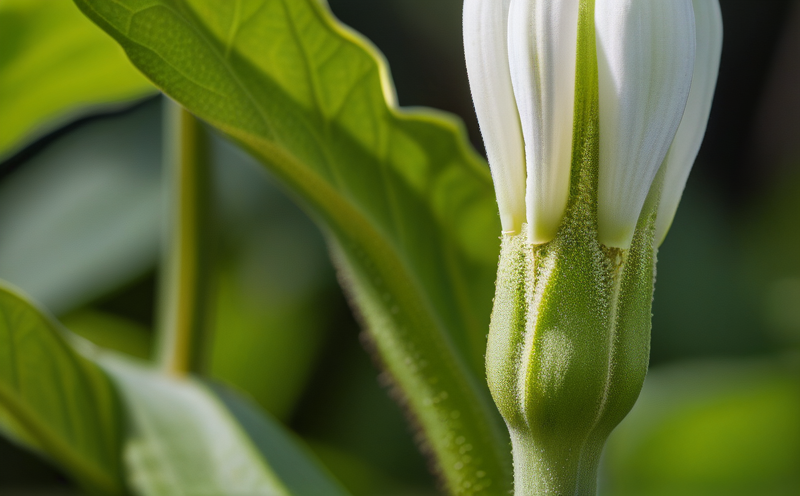
🍴 Edible Parts
🤝 Companions (8)
⚠️ Keep Apart (3)
💊 Medicinal Uses
Medicinal Properties
- Excellent source of mucilage (soluble fiber) , the 'slimy' texture that thickens gumbo; this fiber supports digestive health, lowers cholesterol, and stabilizes blood sugar
- High in vitamin C, vitamin K, folate, and magnesium
- Contains glutathione , antioxidant important for liver detoxification
- Traditional remedy for ulcers and digestive inflammation (mucilage coats and soothes GI tract)
- Seeds contain oligomeric catechins and flavonols with potential anti-diabetic properties (studied for blood glucose management)
📝 Growing Notes
Okra is a heat-loving crop (malvaceae family , related to hibiscus and cotton). Absolutely requires WARM SOIL (70°F+) to germinate. Soak seeds overnight before planting to soften hard seed coat. Pods must be harvested EVERY 1, 2 DAYS at 2, 4 inches , pods become woody/fibrous if left to mature. Wear gloves and long sleeves , okra plants have irritating spines/hairs. 'Clemson Spineless' is the standard reliable variety. Pinch out growing tips when plants reach 4, 5 feet to encourage branching and more pod production. Pods can be frozen, pickled, or dried. In tropical regions, okra is a short-lived perennial. The flowers are stunning , worth growing just for ornamental value.
🛒 Buy Seeds & Plants
Plot Buddies is reader-supported. When you buy through links on our site, we may earn an affiliate commission at no extra cost to you. This does not affect our plant recommendations. We only link to retailers we trust.