🌺 Cacao
Theobroma cacao
exotics
tree
Malvaceae
☀️ Sun
partial shade
💧 Water
high
🗺️ Zones
11-12
🧪 Soil pH
6.0-7.0
🪴 Soil Type
loamy
🚿 Drainage
well-drained
📏 Spacing
10-15 feet
📐 Height
15-25 feet
⏱️ Maturity
1095-1825 days (3-5 years to first fruit)
Key:🤝 Grows well together❌ Keep apart☀️ Sun needs💧 Water🗺️ Hardiness zone
🤝 Companions (15)
Banana plants serve as temporary shade for young cacao while providing mulch from their large leaves and consistent moisture
Black pepper vines can be grown on cacao shade trees, adding a valuable spice crop to the cacao agroforestry system without competing for ground space.
🤝 Citrus Tree (General)
Citrus trees share similar soil and climate requirements with cacao in tropical agroforestry systems; their root systems occupy different soil layers.
Traditional tropical agroforestry companions
Ginger thrives in the shaded, moist understory of cacao plantations; both crops share similar humidity and soil requirements.
🤝 Inga (Ice Cream Bean)
Inga species are the premier shade trees for cacao in Latin America; they fix nitrogen, provide dappled shade, and produce edible pods as a secondary crop.
🤝 Madre de Cacao (Gliricidia)
Attracts beneficial insects and pollinators
Mango trees provide the dappled shade that young cacao trees need; they occupy different canopy layers
Fast-growing papaya provides quick temporary shade for cacao seedlings, then can be removed as cacao matures
Pigeon pea fixes nitrogen, provides light shade for young cacao, and serves as a windbreak; common nurse crop in cacao establishment.
Sweet potato serves as living ground cover in cacao plantations, suppressing weeds, retaining soil moisture, and providing a food crop from the understory.
Taro thrives in the humid, shaded understory of cacao agroforestry systems; traditional Pacific and Southeast Asian intercropping practice.
Turmeric grows well beneath cacao, sharing the same humid, shaded conditions; provides an additional cash crop from the understory layer.
Vanilla orchids can be grown on cacao and shade trees in humid tropical agroforestry; traditional companion in Mexican and Central American systems.
⚠️ Keep Apart (4)
Eucalyptus is strongly allelopathic and aggressively depletes soil moisture, creating conditions too dry for cacao
Sunflowers compete heavily for water and nutrients; their dense root exudates can inhibit cacao growth
Susceptible to juglone
📝 Growing Notes
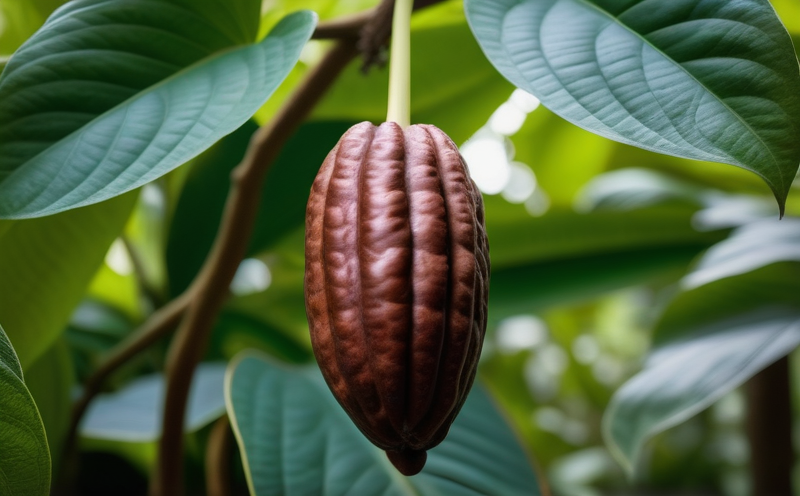
Cacao is an understory tree that naturally grows beneath the rainforest canopy, requiring shade when young. The football-shaped pods grow directly from the trunk and main branches (cauliflory). Each pod contains 20-60 seeds surrounded by sweet white pulp. Small midges, not bees, are the primary pollinators. Cacao trees need consistently warm temperatures (65-90°F), high humidity, and protection from wind. They cannot tolerate frost or drought. The three main cultivar groups are Criollo, Forastero, and Trinitario.
🛒 Buy Seeds & Plants
Baker Creek Heirloom Seeds
Johnny's Selected Seeds
Botanical Interests
True Leaf Market
Burpee
Territorial Seed Company
Plot Buddies is reader-supported. When you buy through links on our site, we may earn an affiliate commission at no extra cost to you. This does not affect our plant recommendations. We only link to retailers we trust.