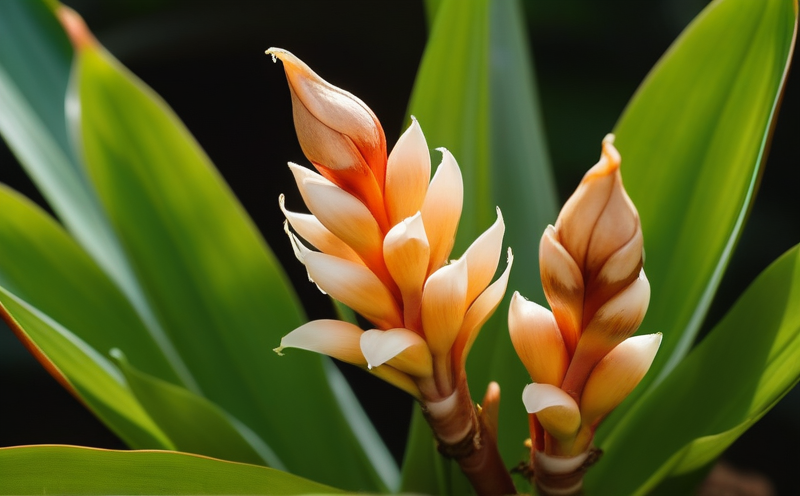
🥑 Galangal
🍴 Edible Parts
🤝 Companions (9)
⚠️ Keep Apart (3)
💊 Medicinal Uses
Galangal (greater galangal, A. galanga) contains galangin, kaempferide, and other flavonoids with potent anti-inflammatory, antimicrobial, antioxidant, and anticancer properties. It is used traditionally across Southeast Asian medicine for digestive disorders, nausea, motion sickness, and respiratory infections. Galangal has demonstrated strong antibacterial activity against foodborne pathogens including Salmonella, E. coli, Staphylococcus aureus, and Clostridium, explaining its traditional use in food preservation and digestive health. Lesser galangal (A. officinarum) is used in Traditional Chinese Medicine as a warming digestive tonic, for abdominal pain, and vomiting. Research has identified potential antiproliferative effects against various cancer cell lines. The essential oil has antifungal properties.
📜 History & Traditional Uses
Galangal originated in Southeast Asia, with the earliest references in Sanskrit and Chinese medical texts dating to at least 600 CE. Arab traders brought galangal to Europe by the 9th century, where it was widely used in medieval cooking and medicine — Hildegard of Bingen recommended it as a 'spice of life' for heart ailments and digestive complaints. Galangal was so popular in medieval Europe that it was called 'galingale' and was as common as ginger in recipes. It gradually fell out of European favor after the Middle Ages but remained central to Southeast Asian cuisines, especially Thai, Indonesian, Malaysian, and Vietnamese cooking, where it is indispensable in curry pastes, soups (tom kha gai), and spice blends.
📝 Notes
Galangal is often confused with ginger but is botanically and culinarily distinct — with a sharper, more citrusy, pine-like flavor and much tougher, woodier texture. Greater galangal (A. galanga) is the culinary species used in Thai and Indonesian cuisine with large, pale rhizomes with pink shoots. Lesser galangal (A. officinarum) is more medicinal with smaller, darker, more fibrous rhizomes. Galangal requires a longer growing season than ginger (12-18 months) and warm, frost-free conditions. It can be grown from rhizome pieces purchased at Asian markets. The plant has attractive, orchid-like white flowers with red veining. Harvest when the plant begins to die back.