🌺 Galangal

Alpinia galanga (greater galangal), A. officinarum (lesser galangal)
exotics perennial (rhizome) Zingiberaceae
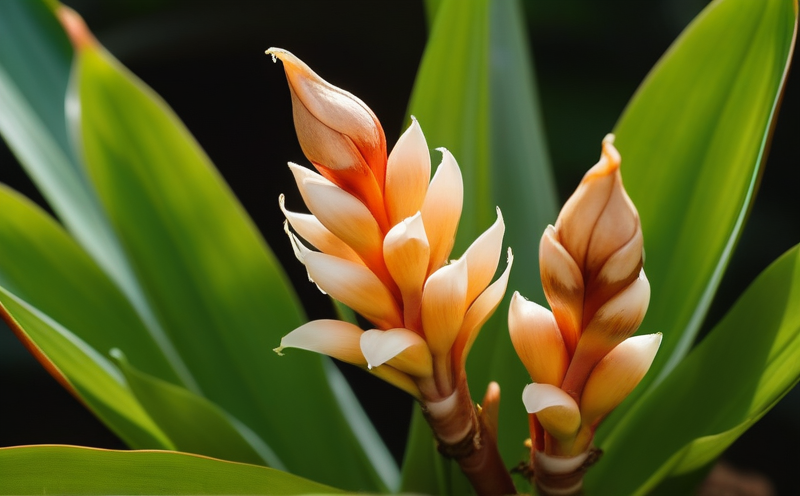
Galangal plant photo
☀️ Sun
partial shade (dappled light ideal)
💧 Water
high (consistent moisture)
🗺️ Zones
9-12 (outdoors), 4-8 (container, overwinter indoors)
🧪 Soil pH
5.5-7.0
🪴 Soil Type
loamy, rich in organic matter
🚿 Drainage
well-drained
📏 Spacing
18-24 inches
📐 Height
3-7 feet (greater galangal), 2-3 feet (lesser galangal)
⏱️ Maturity
365-540 days (12-18 months for mature rhizomes)
Key:🤝 Grows well together❌ Keep apart☀️ Sun needs💧 Water🗺️ Hardiness zone

🤝 Companions (9)

Banana plants provide the dappled shade and high humidity that galangal requires; their broad leaves create excellent mulch
Galangal grows well beneath coconut palms; the filtered light, humidity, and coconut leaf mulch create ideal conditions.
Galangal can be grown in the shaded understory of coffee plantations as a secondary spice crop.
All Zingiberaceae spices share identical cultural requirements; galangal, ginger, and turmeric can share the same growing bed
Papaya provides light shade for galangal in tropical home garden systems.
Pineapple can be interplanted with galangal; both tolerate similar growing conditions in tropical gardens.
Sweet potato provides living ground cover around galangal, retaining moisture and suppressing weeds.
Taro and galangal share similar moisture, shade, and soil requirements; traditionally grown together in Southeast Asian gardens.
Same family, same needs , they thrive in the same rich, moist, partially shaded conditions without competition

⚠️ Keep Apart (4)

Eucalyptus depletes soil moisture critically and releases oils toxic to galangal's shallow rhizome system
Both are underground storage crops that compete for soil space
Sunflowers' aggressive water competition and allelopathic compounds create soil conditions that suppress galangal establishment and growth
Juglone toxicity stunts rhizome growth and causes leaf chlorosis; galangal, like all Zingiberaceae, is sensitive to walnut toxins

📝 Growing Notes

Galangal is often confused with ginger but is botanically and culinarily distinct , with a sharper, more citrusy, pine-like flavor and much tougher, woodier texture. Greater galangal (A. galanga) is the culinary species used in Thai and Indonesian cuisine with large, pale rhizomes with pink shoots. Lesser galangal (A. officinarum) is more medicinal with smaller, darker, more fibrous rhizomes. Galangal requires a longer growing season than ginger (12-18 months) and warm, frost-free conditions. It can be grown from rhizome pieces purchased at Asian markets. The plant has attractive, orchid-like white flowers with red veining. Harvest when the plant begins to die back.

🛒 Buy Seeds & Plants

Plot Buddies is reader-supported. When you buy through links on our site, we may earn an affiliate commission at no extra cost to you. This does not affect our plant recommendations. We only link to retailers we trust.