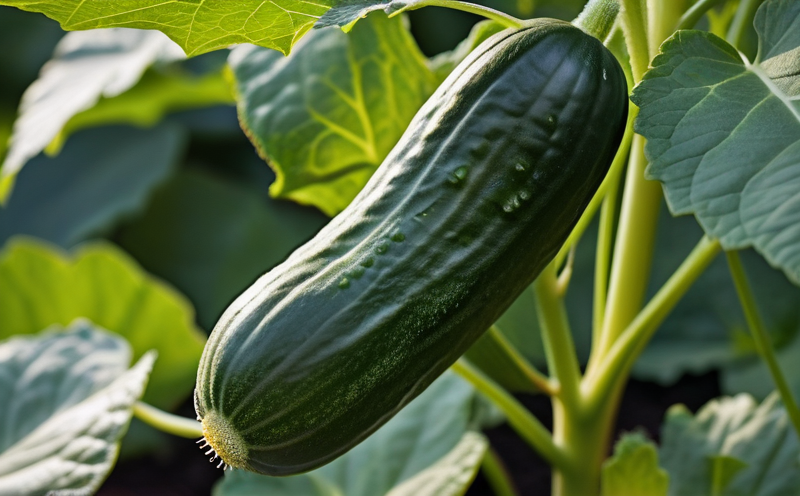
🥒 Cucumber
Cucumis sativus
vegetables
fruit (culinary vegetable, cucurbit)
☀️ Sun
Full sun (6, 8+ hours); tolerates partial shade in hot climates (Zone 8+)
💧 Water
High; 1, 2 inches per week consistently; irregular watering causes bitter fruit and misshapen cucumbers; drip irrigation ideal
🗺️ Zones
4, 5, 6, 7, 8, 9, 10, 11
🧪 Soil pH
6.0, 7.0 (slightly acidic to neutral)
🪴 Soil Type
Rich, well-drained, sandy loam with generous compost; cucumbers are heavy feeders needing consistent fertility
🚿 Drainage
Well-drained but moisture-retentive , cucumbers are 95% water; raised beds or mounds ideal
📏 Spacing
12, 18 inches apart on trellis; 36, 48 inches apart if sprawling on ground; rows 48, 72 inches apart
⏱️ Maturity
50-70 days (from seed); pickling at 50-55 days, slicing at 55-70 days
🍴 Edible Parts
🍽️ Fruit (whole cucumber, fresh or pickled)
🍽️ Tender leaves and stems (edible cooked in some cuisines)
Key:🤝 Grows well together❌ Keep apart☀️ Sun needs💧 Water🗺️ Hardiness zone
🤝 Companions (12)
🤝 Bean (bush/pole)
Beans fix nitrogen to feed cucumbers; minimal root competition; both thrive in warm soil
Attracts hoverflies and predatory wasps that eat cucumber beetles and aphids; improves cucumber growth and flavor; one of the most widely cited beneficial companions
Fenugreek fixes nitrogen and its strong scent deters cucumber pests; quick-growing companion.
Peas fix nitrogen for cucumbers and finish early before cucumbers need full space.
Lettuce provides living mulch that cools cucumber roots; compatible shallow-root companion.
Repels nematodes, cucumber beetles, and aphids; attracts beneficial predators
Repels cucumber beetles, squash bugs, and whiteflies; trap crop for aphids; climbing varieties share trellis IMPORTANT management caveat: without active management, nasturtiums can become a SOURCE of aphids that migrate to nearby crops. Either remove aphid-infested nasturtium plants promptly, or treat the trap crop itself to eliminate the aphid colony before it spreads. Strategic placement within 4-5 feet of protected crops is key.
Okra provides wind protection and partial shade for cucumbers in hot climates.
Aromatic oils repel cucumber beetles and spider mites; ground cover suppresses weeds
Repels cucumber beetles and flea beetles; radishes mature quickly and are harvested before cucumbers spread
Provides partial shade in hot climates reducing heat stress; attracts pollinators; sturdy stalks can support cucumber vines
Yarrow attracts predatory insects that control cucumber beetles; improves cucumber health.
⚠️ Keep Apart (3)
⚠️ Aromatic herbs (sage, strong mint)
Strong aromatic herbs may inhibit cucumber growth; sage in particular is antagonistic
Allelopathic , stunts cucumbers and most garden plants
Both are heavy feeders competing for nutrients; potatoes may promote blight that affects cucumbers; harvesting potatoes can disturb cucumber roots
💊 Medicinal Uses
Medicinal Properties
- High water content , hydrating; cooling effect on body
- Contains cucurbitacins , anti-inflammatory compounds being studied for anti-cancer properties
- Placed on eyes for reducing puffiness (traditional remedy) , contains vitamin C and caffeic acid
- Seeds: traditionally used as a diuretic
📝 Growing Notes
Trellising cucumbers saves space, improves air circulation (reducing powdery mildew), and produces straighter fruit. Parthenocarpic varieties don't need pollination. Bitter cucumbers result from stress , inconsistent watering or high heat. Cucumber beetles spread bacterial wilt , use row covers until flowering, then remove for pollination.
🛒 Buy Seeds & Plants
Baker Creek Heirloom Seeds
Johnny's Selected Seeds
Botanical Interests
True Leaf Market
Burpee
Territorial Seed Company
Plot Buddies is reader-supported. When you buy through links on our site, we may earn an affiliate commission at no extra cost to you. This does not affect our plant recommendations. We only link to retailers we trust.