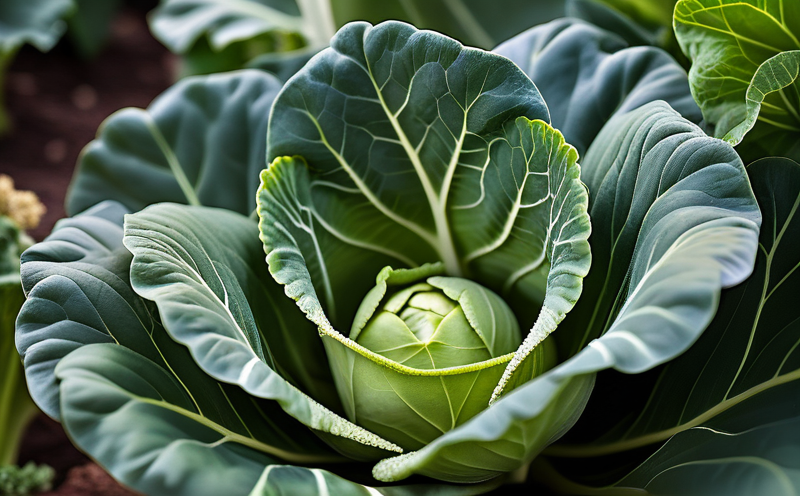
🥦 Collard Greens

Brassica oleracea var. viridis
vegetables brassica (leafy green, cole crop)
Collard Greens plant photo
☀️ Sun
Full sun (6, 8 hours); tolerates partial shade well , one of the most shade-tolerant vegetables
💧 Water
Medium, high; 1, 1.5 inches per week; consistent moisture for tender leaves; drought stress causes tough, bitter leaves
🗺️ Zones
4, 5, 6, 7, 8, 9, 10
🧪 Soil pH
6.0, 7.5 (slightly acidic to slightly alkaline)
🪴 Soil Type
Rich, well-drained loam with high organic matter; collards are heavy feeders , incorporate 2, 3 inches of compost before planting; benefits from side-dressing with nitrogen mid-season
🚿 Drainage
Well-drained; tolerates heavier clay soils better than most brassicas; does not like waterlogged roots
📏 Spacing
12, 18 inches apart; rows 24, 36 inches; collards grow large (2, 3 feet tall/wide) , give ample space
⏱️ Maturity
55-75 days (from seed); baby leaves at 28-35 days

🍴 Edible Parts

🍽️ Leaves (main edible part , traditionally slow-cooked) 🍽️ Stems (chopped fine and cooked with leaves) 🍽️ Flower buds (collard raab , like broccoli raab, harvested before flowers open)
Key:🤝 Grows well together❌ Keep apart☀️ Sun needs💧 Water🗺️ Hardiness zone

🤝 Companions (7)

Improves brassica flavor; antifungal properties; attracts hoverflies and beneficial wasps
Attracts parasitic wasps that control cabbage loopers and diamondback moths; improves collard growth by deterring brassica pests
Excellent trap crop for aphids , cabbage aphids prefer nasturtium; repels cabbage worms IMPORTANT management caveat: without active management, nasturtiums can become a SOURCE of aphids that migrate to nearby crops. Either remove aphid-infested nasturtium plants promptly, or treat the trap crop itself to eliminate the aphid colony before it spreads. Strategic placement within 4-5 feet of protected crops is key.
Repels cabbage loopers and aphids; collards benefit from allium's pest-deterrent sulfur compounds
Some traditions plant collards near potatoes , collards may deter Colorado potato beetles; conflicting sources: potato may compete for nutrients
Aromatic oils mask brassica scent from cabbage moths; repels flea beetles
Repels cabbage moths, flea beetles, and carrot rust fly

⚠️ Keep Apart (4)

⚠️ Bean (pole/runner)
Beans and brassicas are traditionally separated , beans may be stunted by brassica root exudates
Allelopathic , severely inhibits collard growth
Brassicas and strawberries mutually inhibit growth; strawberries are susceptible to verticillium wilt which brassicas may harbor
Brassica root exudates may stunt tomato growth; separate by at least 3, 4 feet

💊 Medicinal Uses

Medicinal Properties

  • Extremely nutrient-dense , excellent source of vitamin K (1 cup = 1000%+ daily value), vitamin A, vitamin C, and manganese
  • Contains sulforaphane and indole-3-carbinol , powerful anti-cancer glucosinolates (especially against breast, colon, and prostate cancers)
  • High in calcium (more bioavailable than spinach's calcium); also contains vitamin D2 (rare in vegetables)
  • High fiber content , supports digestive health and cholesterol reduction
  • Contains alpha-lipoic acid , antioxidant that may help lower blood glucose and improve insulin sensitivity

📝 Growing Notes

Collards are the most cold-hardy brassica alongside kale , flavor sweetens significantly after frost (starches convert to sugars). Can survive temperatures to 5°F (-15°C) with protection. Traditional Southern US staple , slow-cooked with smoked meat. 'Georgia Southern' is the classic variety; 'Champion' is more compact. Cut lower/outer leaves first for extended harvest (4, 6+ months per plant). Can be grown as a perennial cut-and-come-again crop in mild climates. Cabbage loopers are the main pest , Bt (Bacillus thuringiensis) or row covers for organic control.

🛒 Buy Seeds & Plants

Plot Buddies is reader-supported. When you buy through links on our site, we may earn an affiliate commission at no extra cost to you. This does not affect our plant recommendations. We only link to retailers we trust.