🌿 Chervil
Anthriscus cerefolium
herbs
annual herb
Apiaceae
☀️ Sun
partial shade to dappled shade (bolts quickly in full sun and heat)
💧 Water
moderate to high (consistent moisture essential; never let dry out)
🗺️ Zones
3, 10 (annual, cool-season)
🧪 Soil pH
6.0, 7.0
🪴 Soil Type
rich, moist, well-drained loam; humus-rich woodland-type soil
🚿 Drainage
moist but well-drained
📏 Spacing
6, 9 inches
📐 Height
12, 24 inches
⏱️ Maturity
45, 60 days (leaves), 70, 90 days (seeds)
Key:🤝 Grows well together❌ Keep apart☀️ Sun needs💧 Water🗺️ Hardiness zone
🤝 Companions (8)
Chervil repels aphids and cabbage worms from broccoli; both thrive in cool, moist conditions.
Chervil improves carrot flavor when planted as a neighbor; chervil's fine foliage doesn't compete with carrot roots.
Both are cool-season, shade-tolerant herbs for fines herbes blends; chives repel aphids from chervil.
Both are cool-season annual herbs that bolt in heat; share identical growing conditions and soil preferences.
Chervil enhances dill's growth and flavor; both are umbellifers with complementary beneficial insect attraction.
Chervil and lettuce share shade-loving, cool-season preferences; chervil's aroma deters slugs and aphids from lettuce.
Chervil improves radish growth and enhances its spicy flavor; both are cool-season, fast-growing crops sharing identical conditions.
⚠️ Keep Apart (4)
Fennel's allelopathy inhibits chervil
Lavender requires dry Mediterranean soil; chervil needs consistently moist rich soil. Complete cultural mismatch.
Rosemary demands drought and full sun; chervil wilts and bolts in these conditions. Cannot be grown in the same bed.
Sage prefers hot, dry, sunny conditions while chervil requires cool, moist, shaded conditions; fundamentally incompatible cultural needs.
📝 Growing Notes
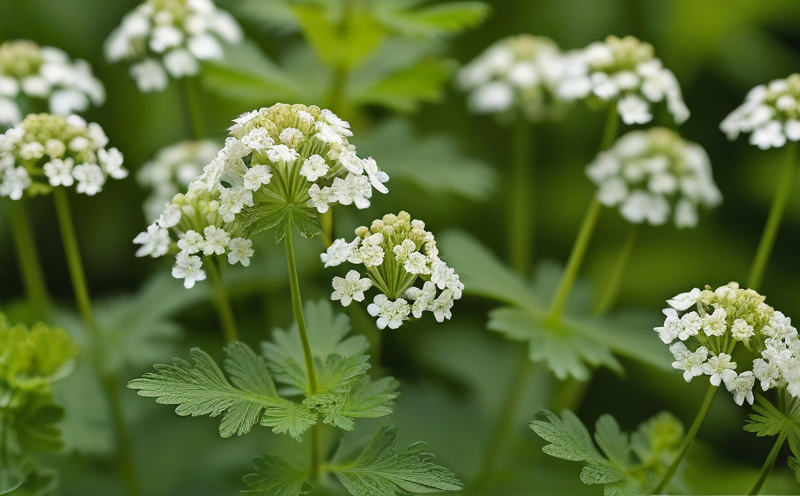
One of the four classic French fines herbes. Flavor is a delicate blend of anise and parsley , use fresh (loses flavor when dried). Shade-loving annual , one of the few culinary herbs that thrives without sun. Bolts rapidly in heat; plant early spring or late summer. Succession sow every 3 weeks. Self-seeds reliably in shady garden spots. Leaves resemble flat-leaf parsley but are finer and more delicate. Excellent in containers on north-facing patios.
🛒 Buy Seeds & Plants
Baker Creek Heirloom Seeds
Johnny's Selected Seeds
Botanical Interests
True Leaf Market
Burpee
Territorial Seed Company
Plot Buddies is reader-supported. When you buy through links on our site, we may earn an affiliate commission at no extra cost to you. This does not affect our plant recommendations. We only link to retailers we trust.