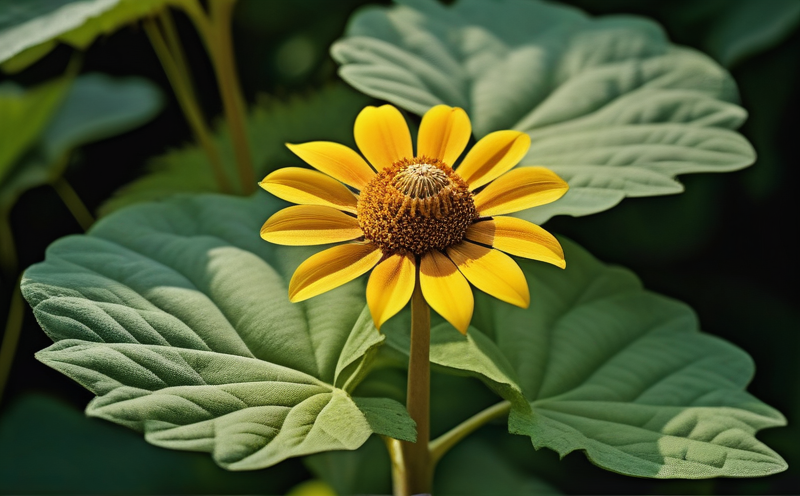
Botanical illustration of Sunchoke (Jerusalem Artichoke)
🎨 AI-generated botanical illustration

🥕 Sunchoke (Jerusalem Artichoke)

Helianthus tuberosus
vegetables perennial tuber vegetable (asteraceae — sunflower family)
☀️ Sun
Full sun (6–8 hours) for maximum tuber production; tolerates partial shade but significantly reduces yield; in partial shade they grow taller and leggier
💧 Water
Low-medium; very drought-tolerant once established; 1 inch per week for best tuber production; overwatering promotes leafy growth at expense of tubers
🗺️ Zones
[2, 3, 4, 5, 6, 7, 8, 9, 10]
🧪 Soil pH
5.5–7.5 (adapts to a very wide range — one of the most soil-tolerant vegetables)
🪴 Soil Type
Adaptable to almost any soil type — grows in sandy, loamy, or clay soils; tolerates poor soil remarkably well; produces larger tubers in rich, loose loam; can be used to break up compacted soil with deep, vigorous roots
🚿 Drainage
Well-drained preferred; tolerates some moisture but tubers rot in waterlogged soil; excellent for breaking up hardpan
📏 Spacing
18–24 inches apart; rows 36–48 inches; thin to strongest plants; sunchokes grow 6–12 feet tall and spread aggressively via rhizomes

🍴 Edible Parts

🍽️ Tubers (the main crop — nutty, sweet, like water chestnuts crossed with artichoke hearts; eaten raw, roasted, mashed, in soups, or pickled) 🍽️ Flowers (edible — sunflower-like blooms in late summer; garnish salads) 🍽️ Young shoots/stems (peeled and cooked like asparagus) 🍽️ Leaves (young leaves can be cooked)

🤝 Companions (6)

🤝 Borage
Attracts pollinators for sunchoke flowers; adds trace minerals; complementary growth habits
🤝 Cucumber
Cucumbers climb sunchoke stalks — living trellis; sunchokes' deep roots don't compete with cucumber's shallow roots
🤝 Nasturtium
Ground cover suppresses weeds around sunchoke base; aphid trap crop
🤝 Rhubarb
Both long-lived perennials; sunchokes provide windbreak for rhubarb; different root depths
🤝 bean (pole)
Beans use sunchoke stalks as a trellis; beans fix nitrogen to feed the heavy-feeding sunchokes; mutual benefit
🤝 corn
Classic Three Sisters-style planting — sunchokes act as a living trellis substitute; tall sunchokes provide partial shade for corn roots; different harvest times

⚠️ Keep Apart (5)

⚠️ Carrot
Sunchokes are allelopathic — root exudates inhibit carrot germination and growth; sunflower-family allelopathy affects many root crops
⚠️ Fennel
Allelopathic — inhibits sunchoke growth; both produce strong root exudates
⚠️ Potato
Both tuber crops competing for similar nutrients and space; potential for shared soil-borne diseases
⚠️ kale/cabbage family
Sunflower family allelopathy may stunt brassica growth
⚠️ small herbs/greens too close
Sunchokes grow extremely tall (6–12 feet) and cast dense shade — smothers low-growing plants directly beneath them

💊 Medicinal Uses

Medicinal Properties

  • #1 dietary source of inulin — a prebiotic soluble fiber that feeds beneficial gut bacteria (Bifidobacterium, Lactobacillus); excellent for gut microbiome health
  • Extremely low glycemic impact — inulin is not digested as sugar; safe for diabetics and those managing blood sugar (despite sweet taste)
  • Contains significant iron — one cup provides 25%+ DV; important for anemia prevention
  • Rich in potassium (more than bananas by weight), thiamine, phosphorus, and magnesium
  • Contains antioxidant phenolic compounds with anti-inflammatory properties
  • WARNING: Inulin can cause significant flatulence/digestive discomfort if eaten in large quantities — start with small portions; cooking with epazote, summer savory, or kombu (seaweed) may reduce gas; some people find fall-dug tubers cause more gas than spring-dug ones
  • Native American traditional food — cultivated by Eastern tribes as a staple; 'Jerusalem' is likely a corruption of the Italian 'girasole' (sunflower)

📝 Growing Notes

WARNING: Sunchokes are PERENNIAL AND AGGRESSIVELY INVASIVE in the garden. Every tiny tuber fragment left in soil will regrow next year. Plant in a dedicated, contained bed or buried raised bed — they WILL take over. Harvest after frost when tops die back — leave tubers in ground and dig as needed through winter (freeze protection: heavy mulch). Tubers DON'T store well out of ground — keep in damp sand or leave in ground. Best flavor after frost. Thin-skinned varieties (like 'Stampede') are easier to clean. To reduce inulin gas: harvest in spring after overwintering (inulin converts to simpler sugars); ferment/pickle; or cook with gas-reducing herbs. Makes excellent animal fodder — pigs love them. The tall, sunflower-like plants make a great summer privacy screen.

🛒 Buy Seeds & Plants

Plot Buddies is reader-supported. When you buy through links on our site, we may earn an affiliate commission at no extra cost to you. This does not affect our plant recommendations — we only link to retailers we trust.