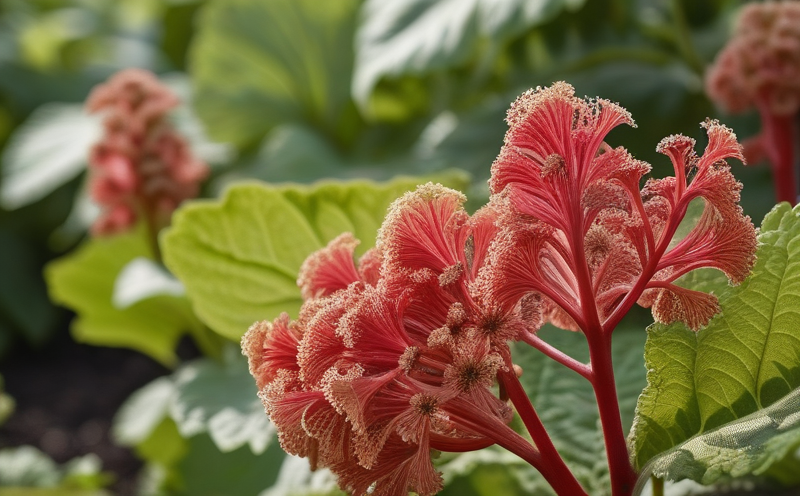
🍎 Rhubarb
Rheum rhabarbarum
fruits
perennial vegetable (used as fruit)
☀️ Sun
full sun to partial shade
💧 Water
consistently moist; heavy feeder; mulch deeply
🗺️ Zones
3, 8
🧪 Soil pH
5.5, 6.8 (slightly acidic)
🪴 Soil Type
deep rich loam, heavily amended with compost/manure
📏 Spacing
3-4 ft apart (large perennial crown; 4 ft between rows)
⏱️ Maturity
1-2 years (from crown division); harvest lightly in second year, fully from third year
🍴 Edible Parts
🍽️ Fruit
Key:🤝 Grows well together❌ Keep apart☀️ Sun needs💧 Water🗺️ Hardiness zone
🤝 Companions (6)
Nitrogen source; living mulch between plants
Attracts pollinators; tall airy foliage doesn't shade rhubarb's large leaves
Nutrient accumulator nearby; chop-and-drop feeds heavy-feeding rhubarb
Repel aphids and slugs; garlic's antifungal properties protect rhubarb crowns from rot
🤝 Perpetual spinach / Chard
Similar growing conditions; different root zones; chard benefits from rhubarb pest protection
Complementary root depths; rhubarb's large leaves provide cooling shade for strawberries in hot weather
⚠️ Keep Apart (4)
⚠️ Cucurbits
Differing water needs (rhubarb likes wet, squash likes moderate); space competition
⚠️ Legumes (beans, peas)
Rhubarb's oxalic acid root exudates may inhibit legume growth; keep separated
Allelopathic properties of sunflower roots inhibit rhubarb; heavy nutrient competition
Juglone sensitivity
🛒 Buy Seeds & Plants
Baker Creek Heirloom Seeds
Johnny's Selected Seeds
Botanical Interests
True Leaf Market
Burpee
Territorial Seed Company
Plot Buddies is reader-supported. When you buy through links on our site, we may earn an affiliate commission at no extra cost to you. This does not affect our plant recommendations. We only link to retailers we trust.