🌾 Rice

Oryza sativa (Asian rice), O. glaberrima (African rice)
grains annual Poaceae
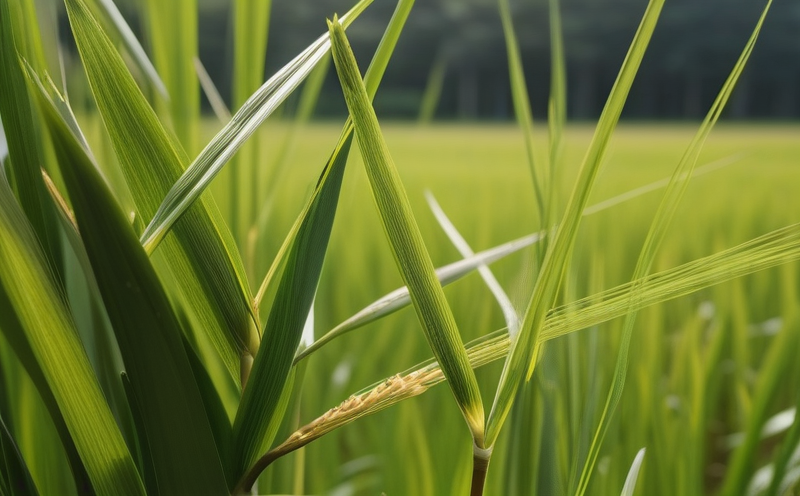
Rice plant photo
☀️ Sun
full sun
💧 Water
very high (paddy), moderate (upland)
🗺️ Zones
6-10 (as annual)
🧪 Soil pH
5.0-7.5
🪴 Soil Type
clay, clay loam (paddy); loamy (upland)
🚿 Drainage
poor (paddy requires flooded conditions), well-drained (upland rice)
📏 Spacing
4-8 inches (transplanted), broadcast (paddy)
📐 Height
3-6 feet
⏱️ Maturity
90-180 days (depending on variety)
Key:🤝 Grows well together❌ Keep apart☀️ Sun needs💧 Water🗺️ Hardiness zone

🤝 Companions (11)

🤝 Arrowhead (Sagittaria)
Arrowhead is a traditional wetland crop grown alongside rice; tubers provide secondary harvest in slightly deeper water zones.
Attracts beneficial insects and pollinators
Cattails on paddy margins filter runoff water and host beneficial predatory insects; they also serve as windbreaks for rice seedlings.
🤝 Duck (integrated farming)
Ducks in rice paddies control weeds, eat insect pests, and provide fertilizer without harming rice plants , the traditional aigamo method in Japan
🤝 Fish (carp, tilapia)
Fish stocked in paddies control weeds and pests, provide additional protein, and their waste fertilizes the rice , integrated rice-fish farming
Lotus in deeper paddy sections provides shade suppressing aquatic weeds; roots aerate the pond bottom for rice.
🤝 Sesbania (green manure)
Attracts beneficial insects and pollinators
Taro grows on paddy bunds around rice paddies; uses edges rice doesn't occupy and shares water management systems.
Water chestnuts grow in flooded conditions as a traditional paddy co-crop; corms are harvested when paddies are drained.
🤝 Water Fern (Salvinia)
Attracts beneficial insects and pollinators
Water spinach thrives in flooded conditions like rice; provides an additional leafy green harvest without competing for rice's nutrient niche.

⚠️ Keep Apart (7)

Barley and rice are both grass crops susceptible to similar rust pathogens; cross-infection risk makes close planting unwise.
Eucalyptus trees near rice paddies aggressively deplete groundwater and release allelopathic oils into irrigation water, reducing rice yields
⚠️ Johnson Grass
Johnson grass is a perennial weed grass harboring rice pests and diseases; aggressively invades paddies and is extremely difficult to control.
Oats share crown rust and other fungal pathogens with rice; proximity increases disease pressure on both crops.
Both are grass family crops susceptible to the same fungal diseases; rotational proximity increases disease pressure from stem borers and rust
Juglone in walnut leaf litter or runoff water can be toxic to rice seedlings; rice paddies near walnut trees show poor germination
Rice and wheat share major fungal diseases including blast and sheath blight; should not be grown in close rotation or proximity.

📝 Growing Notes

Rice is cultivated in two main systems: paddy (flooded fields) and upland (rain-fed, non-flooded). Paddy rice is unique among grains in requiring anaerobic soil conditions, which suppresses weeds and makes nitrogen more available. Rice is classified by grain type: long-grain (indica), medium-grain (japonica), short-grain, and aromatic varieties like basmati and jasmine. Rice paddies are significant sources of methane, a potent greenhouse gas. The System of Rice Intensification (SRI) is an alternative method that uses less water and fewer seeds while increasing yields. Rice can be grown in containers or small paddies in home gardens where water is abundant.

🛒 Buy Seeds & Plants

Plot Buddies is reader-supported. When you buy through links on our site, we may earn an affiliate commission at no extra cost to you. This does not affect our plant recommendations. We only link to retailers we trust.