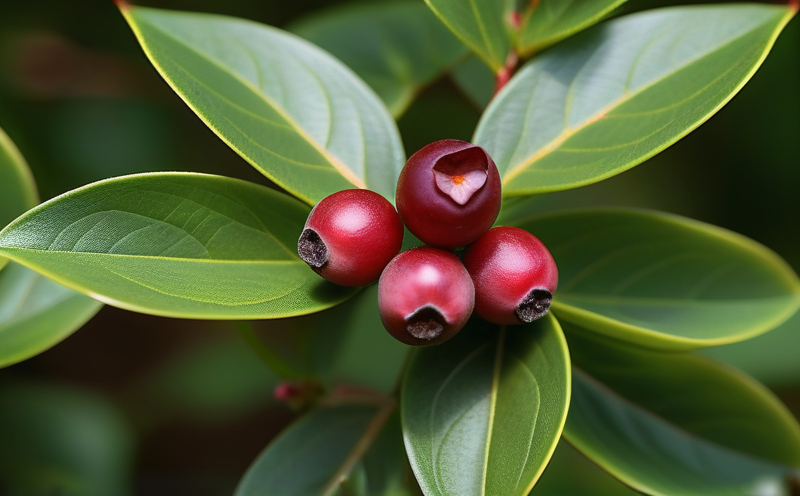
🍎 Cranberry
Vaccinium macrocarpon
fruits
perennial groundcover
Ericaceae
☀️ Sun
full sun
💧 Water
consistently moist to wet; commercial bogs flooded seasonally
🗺️ Zones
2, 7
🧪 Soil pH
4.0, 5.5 (very acidic)
🪴 Soil Type
acidic peat or sandy soil with high water table
🚿 Drainage
Moist
📏 Spacing
12-18 in. apart (groundcover; fills in via runners; plant in 4x4 ft beds)
📐 Height
6-12 in
⏱️ Maturity
2-3 years (from planting); full production at 3-5 years
🍴 Edible Parts
🍽️ Fruit
Key:🤝 Grows well together❌ Keep apart☀️ Sun needs💧 Water🗺️ Hardiness zone
🤝 Companions (10)
Identical soil pH and moisture; different heights maximize space; shared pollinators
Tolerates acidic conditions; nitrogen source
Nutrient mulch; tolerates moist acidic soil surprisingly well
Same Vaccinium family; identical needs; natural understory combination
Universal companion
🤝 Pine / Conifer (nearby)
Acidifying needle drop; mycorrhizal network sharing
Both ericaceous plants sharing soil requirements
⚠️ Keep Apart (4)
Alkaline soil conflict
Juglone sensitive
📝 Growing Notes
Native bog fruit. Requires acidic, moist soil. Flooded for harvest.
🛒 Buy Seeds & Plants
Baker Creek Heirloom Seeds
Johnny's Selected Seeds
Botanical Interests
True Leaf Market
Burpee
Territorial Seed Company
Plot Buddies is reader-supported. When you buy through links on our site, we may earn an affiliate commission at no extra cost to you. This does not affect our plant recommendations. We only link to retailers we trust.