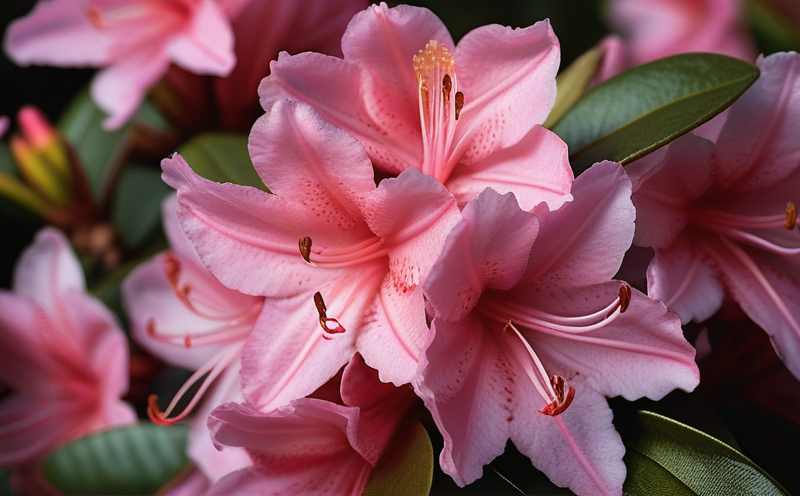
🥑 Rhododendron / Azalea
🍴 Edible Parts
🤝 Companions (11)
⚠️ Keep Apart (7)
💊 Medicinal Uses
Rhododendron species contain grayanotoxins (andromedotoxins) which are toxic to humans and most animals — ingestion causes nausea, vomiting, hypotension, cardiac arrhythmias, and in severe cases, death. Despite toxicity, certain species have traditional medicinal uses. Rhododendron anthopogon and R. ferrugineum are used in Tibetan, Ayurvedic, and traditional European medicine for rheumatism, gout, and respiratory issues in carefully processed external preparations. Rhododendron honey ('mad honey') from nectar of certain species (especially R. ponticum and R. luteum) has been used traditionally in very small doses as a stimulant and blood pressure regulator in Turkey and Nepal. Modern research has identified antimicrobial and anti-inflammatory compounds in some species.
📜 History & Traditional Uses
Rhododendrons have been cultivated in China and Japan for over 1,000 years as ornamental plants. The genus name comes from Greek 'rhodon' (rose) and 'dendron' (tree). European exploration of the Himalayas in the 19th century brought hundreds of new species to Western gardens, sparking a rhododendron craze in Victorian England. The massive collection at Kew Gardens and the work of plant hunters like Joseph Hooker and George Forrest led to the development of thousands of hybrids. In Nepal, rhododendron (R. arboreum) is the national flower, and its flowers are used to make a popular beverage. In Appalachia, native rhododendrons (R. maximum) create dense 'laurel hells' that define the ecology of mountain coves.
📝 Notes
Rhododendrons and azaleas are acid-loving plants in the Ericaceae family (same family as blueberries and heathers). They require acidic soil (pH 4.5-6.0), consistent moisture, and excellent drainage — they will not tolerate wet feet or alkaline soils. Their shallow, fibrous root systems benefit greatly from mulching with pine needles, oak leaves, or bark. All parts contain grayanotoxins — even honey made from their nectar can be toxic ('mad honey disease'). Azaleas are technically a subgenus within Rhododendron, distinguished by having 5 stamens (versus 10+ in most rhododendrons). They are important nectar sources for bumblebees and swallowtail butterflies.