☕ Coffee

Coffea arabica, C. canephora (robusta)
exotics shrub Rubiaceae
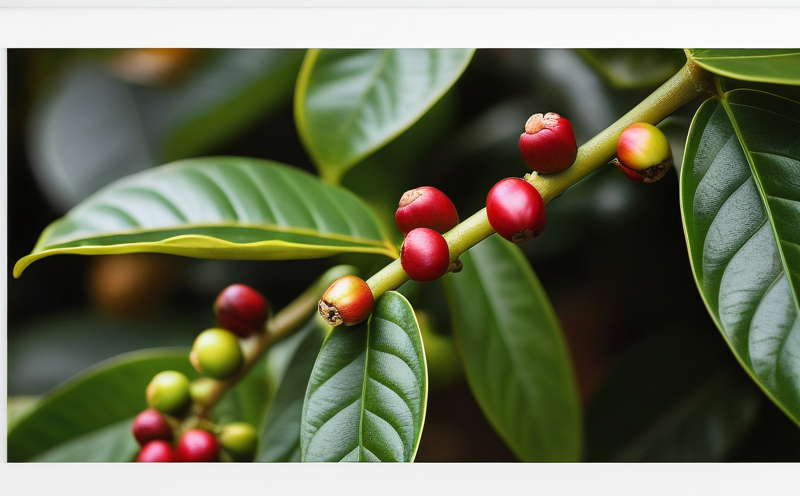
Coffee plant photo
☀️ Sun
partial shade
💧 Water
high
🗺️ Zones
10-11
🧪 Soil pH
6.0-6.5
🪴 Soil Type
loamy, volcanic
🚿 Drainage
well-drained
📏 Spacing
6-8 feet
📐 Height
6-15 feet
⏱️ Maturity
1095-1460 days (3-4 years to first harvest)
Key:🤝 Grows well together❌ Keep apart☀️ Sun needs💧 Water🗺️ Hardiness zone

🤝 Companions (11)

Avocado trees provide ideal dappled shade for coffee while adding an additional cash crop; their roots occupy different soil layers
Banana plants provide essential shade for young coffee trees and their large leaves create beneficial mulch; a traditional intercropping system
Black pepper vines can be trained on coffee shade trees, adding a spice crop to the agroforestry system without additional land.
Both thrive in similar understory conditions; coffee and cacao share complementary root depths and shade requirements
Cardamom thrives in the shaded understory of coffee plantations; traditional intercropping in India (Western Ghats) and Guatemala; both crops share humidity and elevation preferences.
🤝 Citrus Tree (General)
Citrus trees intercrop well with coffee, providing moderate shade and additional income; both thrive in similar tropical highland conditions.
Ginger grows well in the shaded, moist conditions under coffee; provides a secondary cash crop from the understory layer.
🤝 Inga (Ice Cream Bean)
Inga species are the classic shade trees for coffee in Latin America; they fix nitrogen, provide optimal filtered shade, and improve coffee cup quality. A cornerstone of shade-grown coffee certification.
Macadamia trees provide shade for coffee while producing high-value nuts; complementary root systems at different depths; practiced in Hawaii and Australia.
Pigeon pea fixes nitrogen in coffee systems, provides light shade for young plants, and can be pruned for green manure.
Sweet potato as ground cover in coffee plantations suppresses weeds, retains moisture, and provides food security for smallholder farmers.

⚠️ Keep Apart (3)

Eucalyptus aggressively removes soil moisture and produces allelopathic compounds that suppress coffee growth and yields
Sunflowers deplete soil moisture rapidly and produce root exudates that inhibit coffee's mycorrhizal associations
Juglone toxicity from walnut trees causes severe wilting and dieback in coffee plants

📝 Growing Notes

Coffee plants are attractive evergreen shrubs with glossy dark leaves and fragrant white jasmine-like flowers. The bright red cherries contain two seeds (beans) each. Arabica coffee accounts for about 60% of global production and is prized for superior flavor; robusta has higher caffeine and disease resistance. Coffee grows best at altitudes between 2,000-6,000 feet in tropical regions. The plant requires consistent moisture, protection from wind, and dappled shade. A single tree produces about 1-2 pounds of roasted coffee annually.

🛒 Buy Seeds & Plants

Plot Buddies is reader-supported. When you buy through links on our site, we may earn an affiliate commission at no extra cost to you. This does not affect our plant recommendations. We only link to retailers we trust.