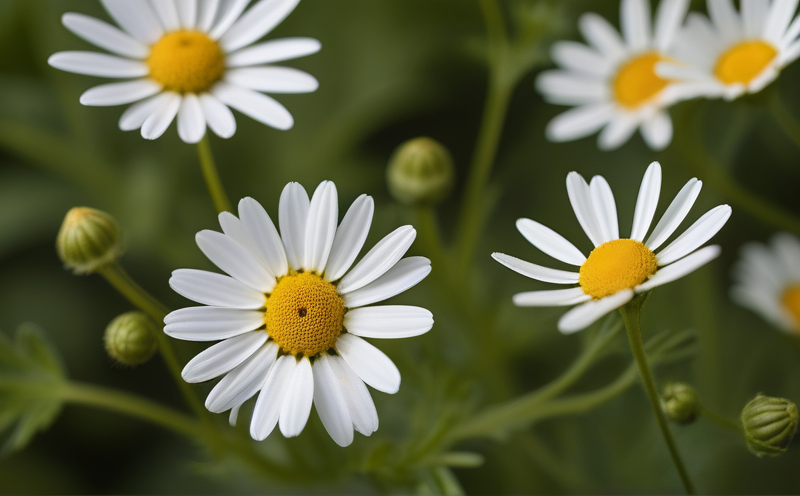
🌿 Chamomile (Roman)
Chamaemelum nobile
herbs
perennial
Asteraceae
☀️ Sun
full sun to partial shade
💧 Water
low to moderate
🗺️ Zones
4-9
🧪 Soil pH
6.0-7.5
🪴 Soil Type
sandy loam
🚿 Drainage
well-drained
📏 Spacing
6-12 inches
📐 Height
6-12 inches
⏱️ Maturity
60-90 days
Key:🤝 Grows well together❌ Keep apart☀️ Sun needs💧 Water🗺️ Hardiness zone
🤝 Companions (8)
Understory chamomile attracts pollinators; antifungal properties help prevent apple scab when used as mulch
Increases basil's essential oil production; chamomile tea sprayed as foliar feed boosts basil vigor
Chamomile (Matricaria chamomilla) has long been used as a companion plant in traditional European horticulture. It attracts beneficial insects including hoverflies and parasitic wasps that prey on aphids. Its feathery foliage and open flowers provide early-season pollen and nectar for beneficial insects. Note: the common claim that chamomile improves the flavor of nearby plants is rooted in Biodynamic farming tradition (Rudolf Steiner) and is not supported by controlled scientific studies.
Prevents damping-off in cucumber seedlings; attracts beneficial insects that pollinate cucurbits
Chamomile's mild nature balances mint's aggressive growth habit when interplanted in containers; both make excellent tea
Chamomile's antifungal properties help prevent onion rot; different root zones minimize competition
Traditional pairing , chamomile tea sprayed on roses prevents black spot and powdery mildew; attracts beneficial insects
Chamomile growing near wheat increases grain yield and essential oil content of wheat (documented in biodynamic farming)
⚠️ Keep Apart (2)
Both attract similar pests (aphids, carrot fly relatives); planting together concentrates pest pressure
Shared Apiaceae pest susceptibility with carrot family members nearby
📝 Growing Notes
Roman chamomile is a low-growing perennial ground cover. German chamomile (Matricaria recutita) is an annual , both have similar uses. Makes an excellent living lawn alternative. Walking on it releases apple-like fragrance. 'Treneague' is a non-flowering lawn variety.
🛒 Buy Seeds & Plants
Baker Creek Heirloom Seeds
Johnny's Selected Seeds
Botanical Interests
True Leaf Market
Burpee
Territorial Seed Company
Plot Buddies is reader-supported. When you buy through links on our site, we may earn an affiliate commission at no extra cost to you. This does not affect our plant recommendations. We only link to retailers we trust.