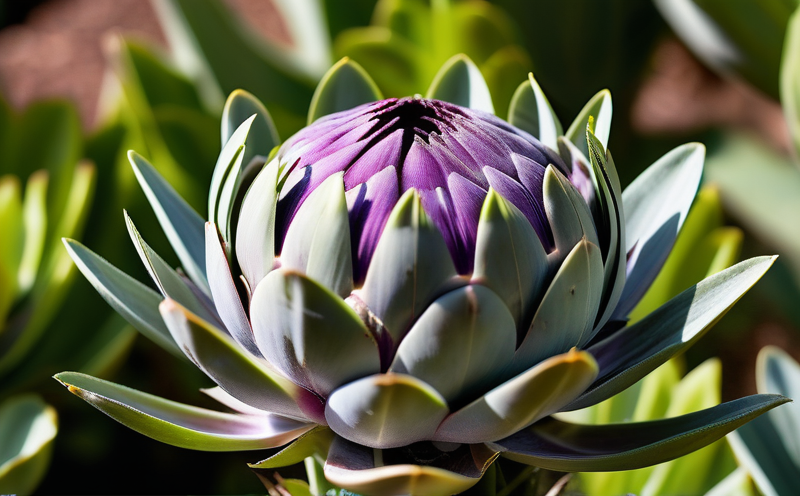
🥦 Artichoke (Globe)

Cynara cardunculus var. scolymus
vegetables perennial vegetable (thistle family, asteraceae) Asteraceae
Artichoke (Globe) plant photo
☀️ Sun
Full sun (6, 8+ hours) in cooler climates; partial afternoon shade in hot climates (Zone 8+) to prevent bud quality deterioration
💧 Water
High; 1, 2 inches per week consistently; artichokes are native to Mediterranean climate , need consistent moisture during bud development; mulch heavily to retain moisture and keep roots cool
🗺️ Zones
7, 8, 9, 10, 11
🧪 Soil pH
6.5, 7.5 (neutral to slightly alkaline); tolerates up to 8.0
🪴 Soil Type
Deep, rich, well-drained sandy loam with extremely high organic matter; artichokes are VERY heavy feeders , incorporate 4, 6 inches of compost and aged manure before planting; add bone meal for phosphorus (root and bud development)
🚿 Drainage
Excellent drainage ESSENTIAL; artichoke crowns rot in wet winter soil , in Zone 6, 7, mound soil or use raised beds; in wet climates, lift and store crowns over winter
📏 Spacing
3, 4 feet apart; rows 4, 6 feet; artichokes are LARGE plants (4, 6 feet tall, 4, 6 feet wide) , give them permanent space
📐 Height
3, 6 ft
⏱️ Maturity
150-180 days (from transplant); 85-100 days to bud formation in established plants

🍴 Edible Parts

🍽️ Flower buds (the 'choke' , immature flower head harvested before petals open) 🍽️ Heart (tender inner portion of bud) 🍽️ Stem (peeled, cooked , extension of heart) 🍽️ Young leaf midribs (cooked, cardoon style)
Key:🤝 Grows well together❌ Keep apart☀️ Sun needs💧 Water🗺️ Hardiness zone

🤝 Companions (19)

Attracts pollinators (bees love artichoke and borage flowers); adds minerals to soil; repels tomato hornworm if nearby
🤝 Cabbage family
Different nutrient needs; artichoke's large leaves provide partial shade for cool-season brassicas
Lettuce grows in artichoke's partial shade; shallow roots don't compete with artichoke's deep taproot; short season crop
Pest deterrent
Repels nematodes; attracts beneficial insects; general pest deterrent
Pest deterrent
Peas fix nitrogen to feed artichokes' heavy growth; peas are harvested before artichokes reach full size; different root depths
Both are large asteraceae with similar growth habits; sunflowers attract pollinators for artichoke flowers; provide windbreak
Improves artichoke growth and flavor (traditional French companion); repels certain pests
Attracts beneficial insects

⚠️ Keep Apart (7)

Root disturbance, competing space
Both are heavy feeders , intense nutrient competition; corn may shade artichokes excessively
Allelopathic , strongly inhibits artichoke growth
Both are heavy feeders competing for nutrients; potatoes may spread disease to artichokes

💊 Medicinal Uses

Medicinal Properties

  • Contains cynarin , stimulates bile production and supports liver function; artichoke leaf extract is a commercial liver supplement
  • Excellent source of fiber (especially inulin , prebiotic) and antioxidants
  • Rich in vitamin C, vitamin K, folate, magnesium, and potassium
  • Clinical studies support artichoke leaf extract for lowering cholesterol (LDL) and improving digestive health (IBS symptom relief)
  • Contains luteolin and apigenin , flavonoids with anti-inflammatory and potential anti-cancer properties

📝 Growing Notes

Globe artichokes are perennial in Zones 7, 11; grown as annuals in colder zones (start indoors 8, 12 weeks before last frost , need vernalization/cold treatment to produce first year). 'Imperial Star' is the best annual variety (produces year 1 without vernalization). Plants live 5, 10 years in ideal climates. Harvest buds when they're tight and plump, before scales start separating. The 'choke' (fuzzy center) is the undeveloped flower , edible on very young buds, inedible on mature ones. Cardoon (Cynara cardunculus) is a close relative grown for edible leaf stalks rather than flower buds. Aphids love artichoke buds , blast with water or use insecticidal soap. Slugs/snails attack young plants , use iron phosphate bait. Artichokes make stunning ornamental specimens even if you never harvest them.

🛒 Buy Seeds & Plants

Plot Buddies is reader-supported. When you buy through links on our site, we may earn an affiliate commission at no extra cost to you. This does not affect our plant recommendations. We only link to retailers we trust.