🌿 Angelica
Angelica archangelica
herbs
biennial / short-lived perennial herb
Apiaceae
☀️ Sun
partial shade to full sun (needs cool roots , mulch heavily)
💧 Water
high (demands consistently moist soil, never let dry out)
🗺️ Zones
4, 9
🧪 Soil pH
5.5, 7.0
🪴 Soil Type
rich, deep, moist loam to clay; thrives in damp soil
🚿 Drainage
moist to wet (naturally grows along streams and in damp meadows)
📏 Spacing
24, 36 inches
📐 Height
48, 96 inches (can reach 8 feet when flowering)
⏱️ Maturity
730 days (biennial , flowers and sets seed in second year, then usually dies)
Key:🤝 Grows well together❌ Keep apart☀️ Sun needs💧 Water🗺️ Hardiness zone
🤝 Companions (6)
Both are tall, moisture-loving flowering herbs that attract pollinators; combined bloom creates powerful pollinator habitat.
Both are large, moisture-loving, nutrient-accumulating herbs; comfrey mulch keeps angelica's roots cool and moist.
Both are large, moisture-loving perennials for damp garden zones; their root zones occupy different depths.
Both thrive in damp, rich soil; mint's groundcover habit keeps angelica roots cool while angelica provides protective height.
Both prefer rich, moist soil; angelica attracts massive numbers of pollinators and predatory wasps beneficial for raspberry fruit set.
Angelica naturally grows alongside willows in damp meadows; willow's roots manage soil moisture and provide dappled shade.
⚠️ Keep Apart (4)
Angelica attracts carrot flies that will devastate nearby carrots; both host the same diseases including root rot in damp conditions.
Both are large umbellifers competing for identical resources (space, light, insect services); dill's shorter lifecycle conflicts with angelica's two-year growth.
Fundamental cultural mismatch: lavender demands dry, lean soil while angelica requires constant moisture and rich soil.
Sage prefers hot, dry, lean conditions and will rot in the moist soil angelica requires.
📝 Growing Notes
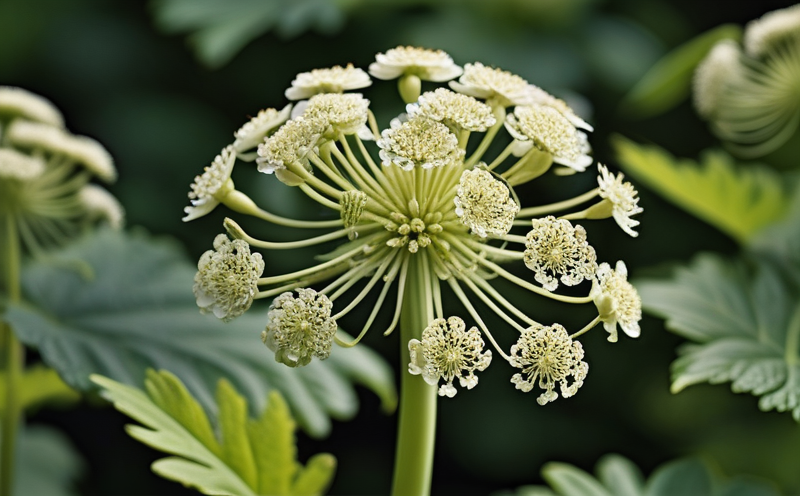
Massive plant , give it space. Dies after setting seed in second year, but often self-seeds. Requires deep, rich, constantly moist soil. Mulch heavily to keep roots cool , naturally a stream-bank plant. Attracts huge numbers of beneficial insects when flowering , umbels can be 6 inches across. Seeds must be fresh for good germination (lose viability quickly). All parts are highly aromatic with a musky, celery-like scent. Protective dome flower clusters are architectural showstoppers.
🛒 Buy Seeds & Plants
Baker Creek Heirloom Seeds
Johnny's Selected Seeds
Botanical Interests
True Leaf Market
Burpee
Territorial Seed Company
Plot Buddies is reader-supported. When you buy through links on our site, we may earn an affiliate commission at no extra cost to you. This does not affect our plant recommendations. We only link to retailers we trust.