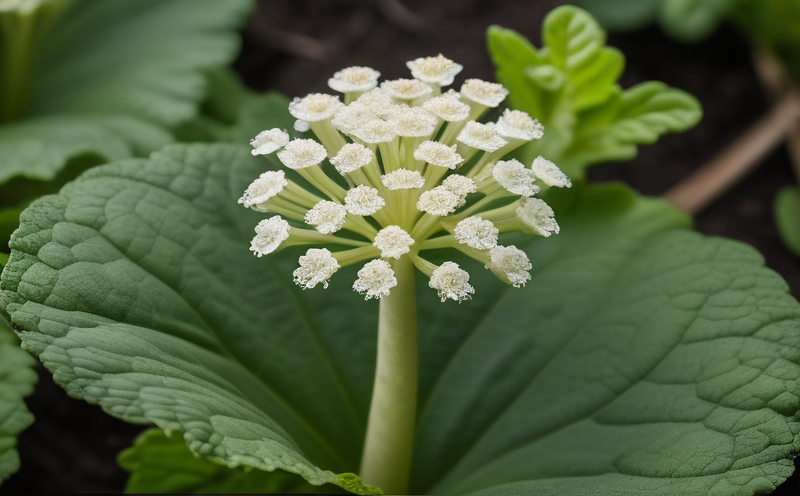
Botanical illustration of Horseradish
🎨 AI-generated botanical illustration

🥕 Horseradish

Armoracia rusticana
vegetables perennial root vegetable (brassicaceae)
☀️ Sun
Full sun (6+ hours) for best root development; tolerates partial shade but roots will be smaller and less pungent
💧 Water
Medium; 1 inch per week; consistent moisture during root development produces more pungent roots; reduce water as harvest approaches; drought stress causes woody, excessively hot roots
🗺️ Zones
[2, 3, 4, 5, 6, 7, 8, 9, 10]
🧪 Soil pH
6.0–7.5 (slightly acidic to slightly alkaline); adapts to a wide range
🪴 Soil Type
Deep, rich, loose loam with high organic matter; horseradish produces the largest, straightest roots in deeply worked, friable soil; incorporate compost deeply; avoid fresh manure (causes forking)
🚿 Drainage
Well-drained soil essential; horseradish will rot in standing water; raised beds or mounded rows recommended
📏 Spacing
18–24 inches apart; rows 30–36 inches; horseradish is a vigorous, spreading plant — can become invasive if not contained

🍴 Edible Parts

🍽️ Root (the main crop — grated fresh for horseradish sauce with vinegar; loses pungency when cooked, so only use raw) 🍽️ Young leaves (edible when young and tender — spicy, peppery flavor; add sparingly to salads; cook older leaves as a potherb) 🍽️ Flower buds (edible — similar to broccoli rabe) 🍽️ Sprouts (young root sprouts edible raw)

🤝 Companions (8)

🤝 Asparagus
Both perennials in different root zones; horseradish may help repel asparagus beetles
🤝 Fruit Trees
Planted at base, horseradish deters borers and pests
🤝 Potato
Horseradish repels Colorado potato beetles and blister beetles; classic companion planting combination — plant horseradish at corners of potato patch
🤝 Potato
Classic companion - horseradish improves potato disease resistance
🤝 Rhubarb
Both long-lived perennials with similar deep-rooted growth habits; horseradish deters pests from rhubarb; compatible in perennial food forests
🤝 Sweet Potato
Horseradish deters sweet potato weevils and various beetles; strong volatile compounds confuse pests
🤝 Sweet Potato
Different root zones; horseradish deters sweet potato pests
🤝 fruit trees (apple, peach, cherry)
Repels borers, aphids, and various fruit tree pests; plant at tree base for brown rot prevention; traditional orchard companion

⚠️ Keep Apart (5)

⚠️ Fennel
Allelopathic — strongly inhibits horseradish growth
⚠️ bean (all types)
Horseradish root exudates inhibit bean growth; brassica- legume antagonism
⚠️ brassicas (broccoli, cabbage, kale, etc.)
Shared pests and diseases — flea beetles, cabbage worms, clubroot; plant far apart to prevent pest concentration
⚠️ carrot/parsnip
Some gardeners report horseradish can stunt carrot family root development through root competition
⚠️ pea
Brassica family root compounds inhibit pea nitrogen fixation and growth

💊 Medicinal Uses

Medicinal Properties

  • Contains allyl isothiocyanate (mustard oil) — the volatile compound responsible for horseradish's heat; releases when cells are ruptured by grating; powerful antimicrobial against foodborne pathogens
  • Potent decongestant and expectorant — traditional remedy for sinus congestion, bronchitis, and respiratory infections; the 'wasabi effect' clears sinuses almost instantly
  • Contains glucosinolates (sinigrin) — precursor to allyl isothiocyanate; studied for anti-cancer and chemoprotective properties
  • Rich in vitamin C — historically used to prevent scurvy on long sea voyages (before citrus was common)
  • Antibacterial against urinary tract infections — traditional Eastern European remedy
  • Contains peroxidase enzyme — used in medical diagnostics and research
  • WARNING: Extremely potent — can cause skin/eye irritation and mucous membrane burning; use gloves when processing; avoid in large quantities with thyroid conditions, stomach ulcers, or kidney disease

📝 Growing Notes

Horseradish is nearly INDESTRUCTIBLE — once established, it's almost impossible to eradicate. ANY tiny root fragment left in the ground will regrow. Consider growing in a contained bed, buried pot, or dedicated area. Plant root cuttings (sets) in early spring at a 45° angle with the crown end higher. Harvest in fall after frost has killed the leaves — frost improves pungency. Lift the entire root, save side roots for next year's planting. To prepare: peel and grate ONLY what you'll use immediately — add vinegar to stop the enzymatic reaction (add within 3 minutes for mild, wait longer for HOT). Best quality roots come from one-year growth; older roots become woody. Main pest: cabbage worms on leaves (treatable with Bt). Native to Eastern Europe; widely naturalized across North America.

🛒 Buy Seeds & Plants

Plot Buddies is reader-supported. When you buy through links on our site, we may earn an affiliate commission at no extra cost to you. This does not affect our plant recommendations — we only link to retailers we trust.